
Author Archives: D.R. Snell Nursery

Grasses With Gusto

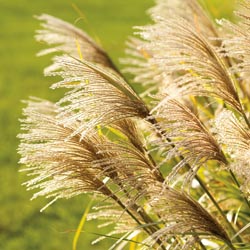
Ornamental Grasses lend a unique dimension to any landscape with their texture, sound, motion and architecture. By planting ornamental grasses, you can also add multi-seasonal excitement to your landscape. Either combined with other ornamental plants or featured by themselves in “Grass Gardens,” ornamental grasses are attractive from spring until late fall and often through winter as well.

Choosing Ornamental Grasses

It can be challenging to select the best ornamental grasses for your landscape. Choose from varieties that are short or tall, upright or weeping. Foliage can be bold or fine and comes in colors ranging from green, blue-green, lime-green, gold and red to variegated with horizontal or vertical bands of white or yellow. Flower heads can be showy plumes, fuzzy foxtails or airy particles and appear from mid-summer to fall, depending on variety. Dried flowers and leaves may persist into winter, looking particularly effective against a snowy backdrop.

Depending on the conditions of your landscape and your grass preferences, there are many different types of grasses to try.

Screens Or Barriers

Taller growing varieties such as Plume Grass (Erianthus ravennae) or Giant Miscanthus (Miscanthus floridulus) can be used as effective screens or windbreaks. The wind rushing through their foliage creates added sensations of sound and movement. Even some of the medium-sized growers, such as varieties of Miscanthus sinensis, can enclose a patio or act as a barrier against wind, noise or an undesirable view.

Specimens

Many ornamental grasses also make excellent specimen plants and can turn a dull corner into a focal point of color and texture. Some of the most dramatic grasses for specimen planting include Maiden Grass (Miscanthus sinensis gracillimus) with its graceful arching vase shaped foliage and pinkish blooms which age to cream, and Porcupine Grass (Miscanthus sinensis ‘Strictus’) that has upright green and yellow banded stems.

Waterscaping

Water gardens and ornamental grasses go together beautifully. A grouping of grasses looks particularly effective at the water’s edge, softening the boundary between land and water. Many grasses such as Miscanthus can tolerate moist conditions, some, like sweet flag (Acorus) and Giant Reed (Arundo donax), can grow in shallow water. Sedges (Carex), which are not true grasses, although similar in appearance, are also moisture-tolerant. Look for varieties with plain, variegated or golden foliage.

Groundcovers

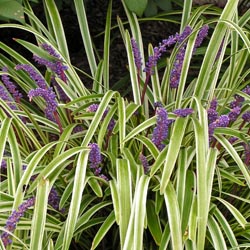
Grasses that are groundcover varieties spread by underground stolons rather than forming tight clumps. One such selection is Ribbon Grass (Phalaris arundinacea ‘Picta’), a fast-spreading green-and-white variegated variety, particularly useful as a groundcover in difficult areas such as slopes or even under trees that cast light shade. Give this one plenty of space! You’ll also want to try green or variegated Liriope and Black Mondo Grass (Ophiopogon).

Beds and Borders

Massed in groups, ornamental grasses are wonderful as a background to, or in combination with, other plantings. Try planting them with perennials such as Black-eyed Susan, Sedum ‘Autumn Joy’ and Veronica ‘Goodness Grows’ or ‘Sunny Border Blue’ for a dynamic summer and fall interest addition to your landscape. Varieties for mass planting include Switch Grass (Panicum virgatum), whose upright delicate flowers are held above leaves that turn reddish in the fall; Korean Feather Reed Grass (Calamagrostis acutifolia ‘Stricta’) which yields stunning buff-colored plumes over a long period and Fountain Grass (Pennisetum alopecuroides) that sports maroon foxtails which age to cream in late fall. A number of different forms of Fountain Grass are available: ‘Hameln’ is a dwarf variety with creamy foxtails, while ‘Moudry’ has unusual black flowers. For edging beds and borders, plant low-growing Blue Fescue (Festuca glauca). Its steely blue clumps hold their color though winter and contrast well with pink or purple flowers or foliage.

Growing Grasses

Ornamental grasses are relatively easy to grow. A site that receives at least six hours of sun per day is best, although varieties such as Hair Grass (Deschampsia) and variegated Miscanthus (Miscanthus sinensis ‘Variegatus’) can grow well in as little as four hours of sun. Soil preparation, as with everything you plant, is a must, so work in plenty of organic matter such as peat moss, humus or compost. Fertilize in early spring with 5-10-5 or bone meal, when new growth is starting to show. Clumps should be cut back to within 6″ of the ground at this time, and can be divided if needed.

You’ll love the look ornamental grasses can give your landscape, and these easy-care plants can be effective at many functions in many different types of landscapes. Give them a try today!
Grasses_3Grasses_4

Grasses_1

green leaves of sedge cane

Pruning Red Raspberries

There’s an unfounded rumor that raspberries are difficult to prune. This isn’t true if you understand the type of raspberry in your garden. Summer-bearing raspberries produce only one harvest per year while everbearing, or fall-bearing, raspberries can produce two harvests.

Raspberry Types

Summer-bearing raspberries plants bear fruit on one type of cane, a floricane. These large, thick canes grow fruiting lateral branches. Most of the purple and black raspberry varieties and some red varieties are summer-bearing plants.

Everbearing raspberries grow two types of fruiting canes, floricanes and primocanes. The floricanes are similar those of the summer-bearing raspberry. However, the primocane has no lateral branches. Instead, the fruit buds are located on the thick cane. Most red and yellow raspberry varieties are everbearing.

No matter what type of raspberry you grow, proper pruning improves production and the taste of the fruit, the appearance of your garden and makes it easier to harvest the delicious fruit.

Raspberry Pruning Tips

If you are growing summer-bearing raspberries, you will follow a cycle of pruning out the older floricanes, which already bore fruit. If you are growing ever-bearing raspberries, you will prune out floricanes and the top one-third of the primocanes where fruit developed in the fall. However, you can choose a second option for pruning everbearing raspberries. Simply cut the entire plant to the ground in early spring to produce berries from fall until the first frost. This sacrifices the summer harvest, but puts all plant energy into fruit production for fall harvest, creating a larger, more robust crop. It also protects the canes from any extreme winter conditions and reduces insect damage. Using row covers or greenhouses to maintain a warmer temperature easily extends the harvest season later into the fall.

To simplify the pruning process…

raspberry-chart

When you grow your own berries, you know exactly how they were grown, you save money, and best of all, they taste great, even with dirt under your fingernails!

raspberry-1

Growing Glowing Marigolds

Ah, marigolds – they are the unsung heroes of the summer flower garden. Resilient, bold, and long-blooming, they create a tapestry of glowing yellow, gold, orange, and red that shines in a sunny setting from late spring to frost.

Types

There are three main types of marigolds. They all have edible petals, are perfect for creating natural dyes, attract bees and butterflies, and share a distinct aroma that helps ward off some common garden pests. Yet, each type, with its own individual size and shape, holds a unique position in the garden.

French Marigolds (Tagetes patula)

French marigolds are compact, bushy plants with delicate, lacy foliage and brightly colored blooms in orange, yellow, and red shades. They are perfect for border edging, adorning container gardens, or nestled next to your vegetable plants. Their small size will not overshadow other plants in the edible garden.

African Marigolds (Tagetes erecta)

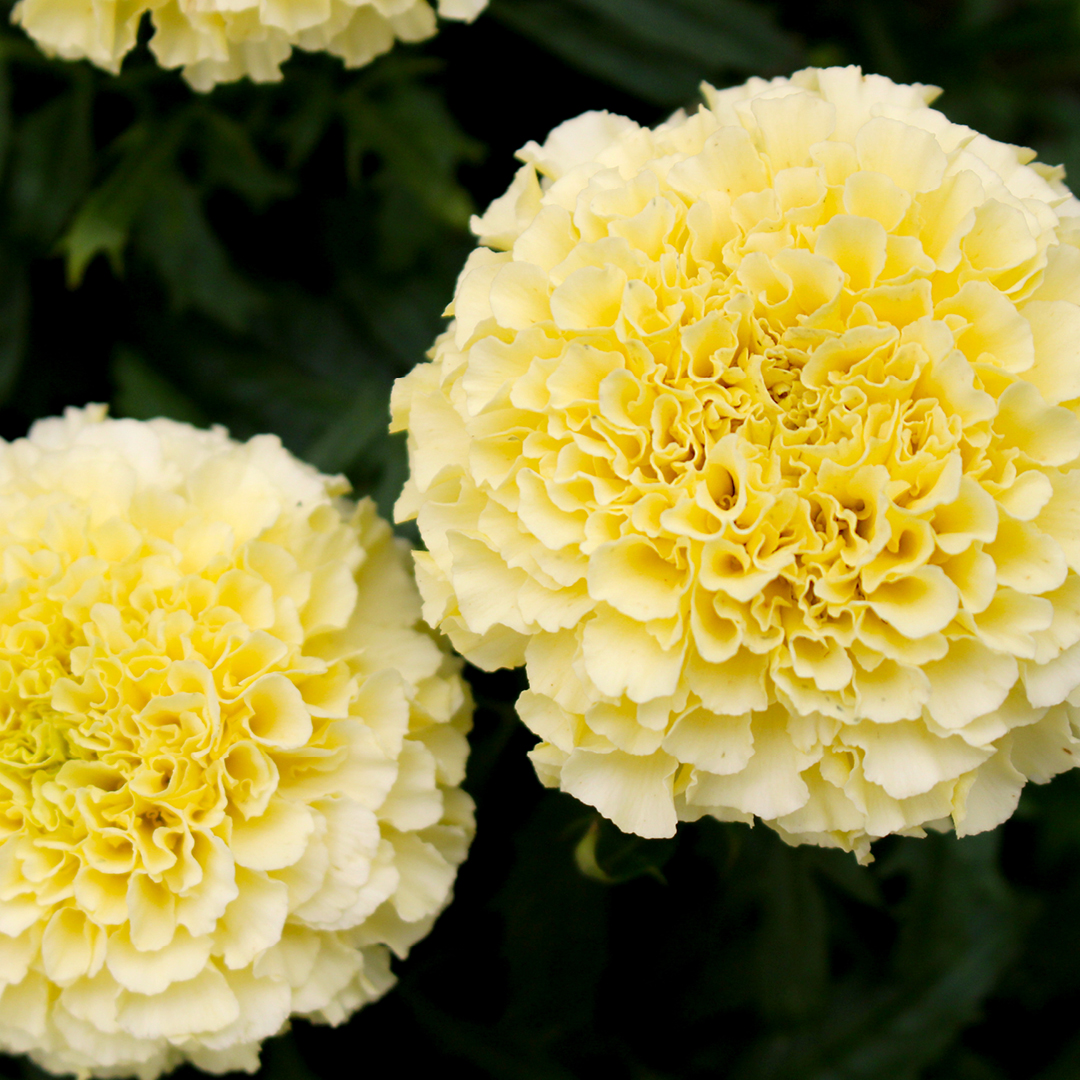
Taller than French marigolds, African marigolds exhibit larger, more showy flowers in creamy white, yellow, gold, and orange shades. They are the perfect addition to the middle of a bright-colored flower bed or border. Their statuesque form and long, sturdy stems make them an exquisite choice for cut flower arrangements.

Signet Marigolds (Tagetes tenuifolia)

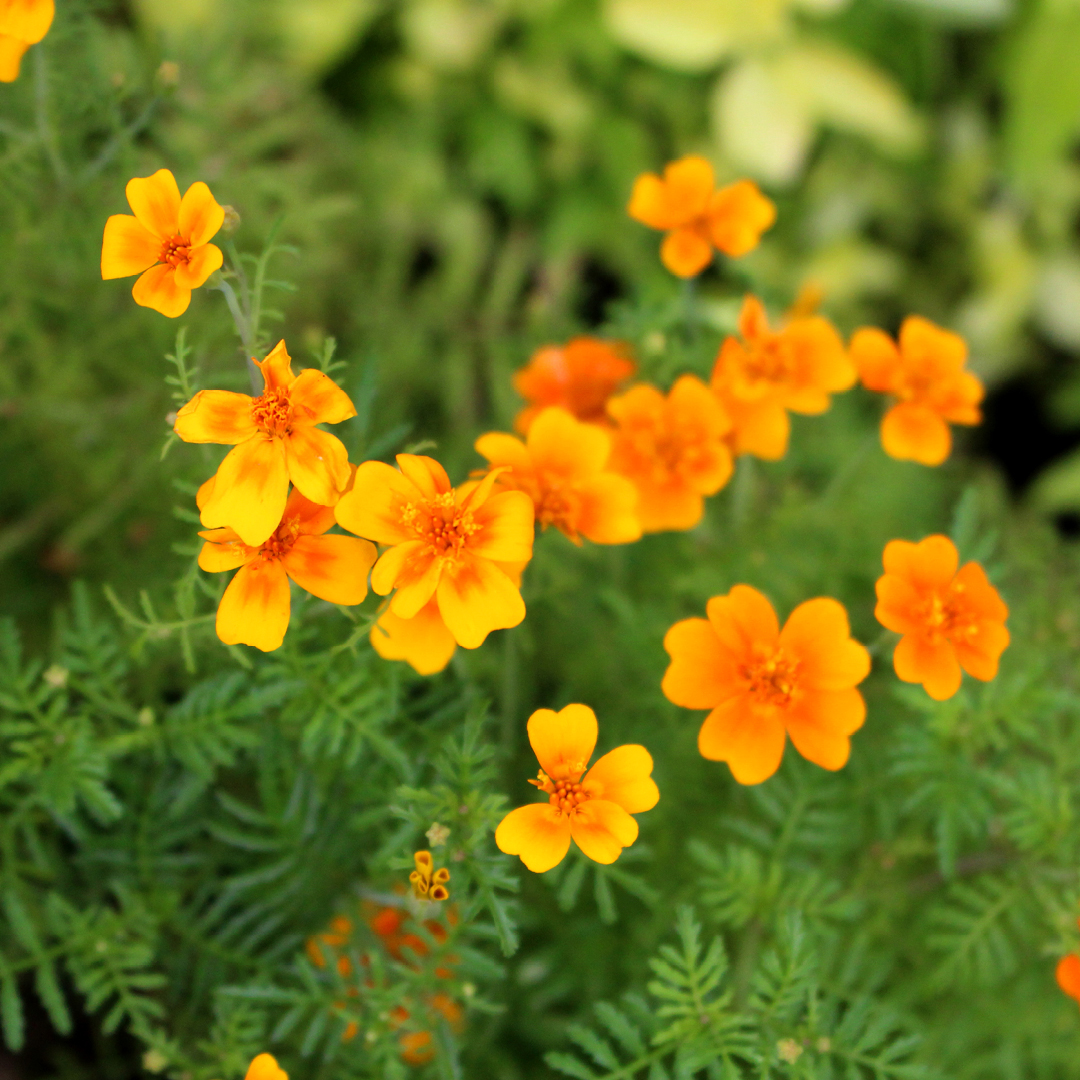
With their delicate, fern-like foliage, Signet Marigolds are small in stature and produce tiny blooms in warm tones of red, orange, and yellow. With a citrusy flavor, these edible flowers look lovely as a garnish and taste delicious in salads. Signets work well for border edging, sunny window boxes, and containers.

Marigold Cultivation & Care

Marigolds are simple plants, easy to grow, with few demands. They aren’t fussy, but they do have some preferences.

  • Site: They flower best with a minimum of 6 hours of sunlight.
  • Soil: Regarding soil, they are partial to a well-draining one, rich in organic matter, with a pH level between 6.0 and 7.0. If you’ve got sandy loam soil, you’ve hit the jackpot in the marigold world.
  • Pinching: Marigolds benefit from pinching when young, creating a fuller plant with plenty of side branching and blooms.
  • Feeding: Add granular organic or slow-release fertilizer to the soil at planting time, then feed plants every other week with a liquid fertilizer listed for flowering annuals.
  • Mulching: Adding a layer of mulch to the soil around your plants will help retain soil moisture and prevent weeds; plus, it looks great!
  • Watering: Deep, infrequent watering that allows the soil to dry out in between is what marigolds desire.
  • Deadheading: Frequently remove spent flowers to keep fresh blooms coming.

The 10 Best Marigolds for Your Home Garden

Select marigolds for a splash of sunshine in summer containers and gardens. There’s something about these vibrant flowers that just makes you smile! Here’s a curated list of the top 10 marigold varieties to brighten your growing space.

  1. French Marigold ‘Petite Mix’
    Imagine a kaleidoscope of colors from yellow and orange to deep maroon in your garden. The ‘Petite Mix’ is a dwarf variety, perfect for the foreground of borders and beds. Its small stature packs a punch of color that will dazzle you all summer long.
  2. African Marigold ‘Crackerjack’
    Standing tall and proud, ‘Crackerjack’ offers large, fluffy blooms that resemble the sun. This variety is a beacon of joy with its bright yellow and orange flowers, inviting butterflies to the garden.
  3. Signet Marigold ‘Tangerine Gem’
    Like little drops of citrus delight, ‘Tangerine Gem’ will light up your garden. Its dainty, edible flowers present a unique zest to salads. Plus, its lacy foliage makes it a visually attractive ground cover.
  4. French Marigold ‘Durango Red’
    Add some spice to your garden with ‘Durango Red.’ Its deep, velvety red blooms edged with gold bring an exotic flair. Compact and resilient, this marigold does wonders for container gardening.
  5. African Marigold ‘Mission Giant Yellow’
    The name says it all! ‘Mission Giant Yellow’ towers over other garden plants, bringing a majestic presence. Its massive, bright yellow blooms are a stunning focal point for any sunny spot.
  6. Signet Marigold ‘Lemon Gem’
    Sister to ‘Tangerine Gem,’ ‘Lemon Gem’ offers lemony yellow blossoms that sparkle against its feathery green foliage. It’s not just their appearance; these flowers also have a delightful lemony fragrance.
  7. French Marigold ‘Harlequin’
    A true showstopper, ‘Harlequin’ boasts bi-colored petals in fiery shades of red and gold. This marigold variety adds a dramatic flair to your garden, attracting attention wherever it blooms.
  8. African Marigold ‘Vanilla’
    For those who prefer a softer palette, ‘Vanilla’ offers creamy white flowers that provide a soothing contrast to the typical marigold colors. Its unexpected soft coloring will make visitors do a double-take.
  9. Signet Marigold ‘Paprika’
    Spice up your garden with ‘Paprika’. This variety features tiny, rustic orange blossoms scattered across a bush of green. It’s perfect for adding a sprinkle of warmth to your sunny containers and window boxes.
  10. French Marigold ‘Bolero’
    And last but certainly not least, ‘Bolero’ dances in your garden with its red and yellow fringed petals. It’s as if each flower is celebrating the joy of sunny days, inviting you to join in the festivity.

Each marigold variety brings its unique character to your summer garden, creating a tapestry of color and splash of splendor. Plan on growing a wide variety of marigolds this summer to grace your gardens with their warm, glowing colors, delightful flowers, unique fragrance, easy care, and long bloom time.

Growing Glowing Marigolds

Growing Glowing Marigolds

Growing Glowing Marigolds

Beyond Lettuce

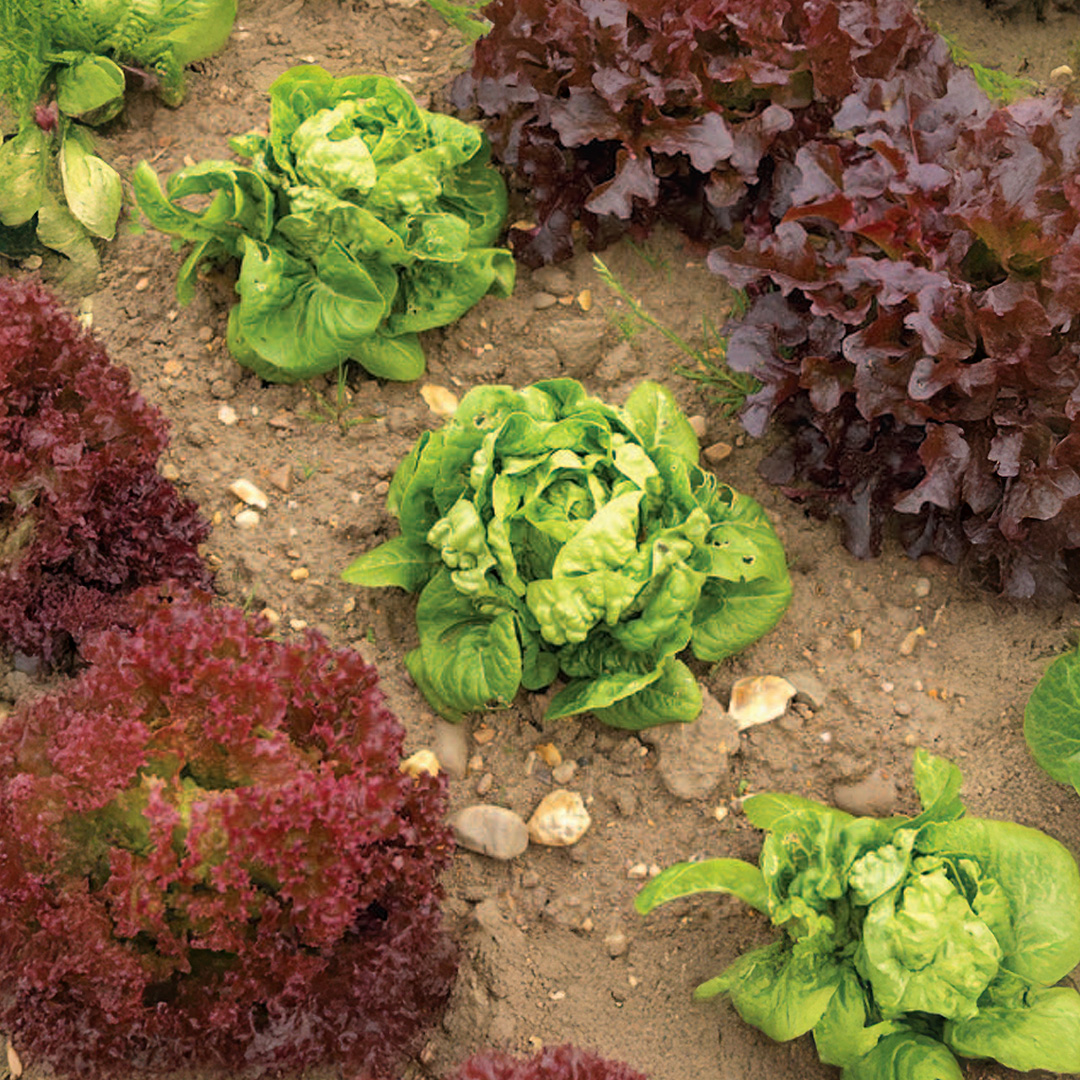
There’s nothing like a garden fresh, crisp salad, and these days, many people are adding varied greens to their salads besides familiar lettuce varieties and common spinach. Try growing a few of these less familiar greens for your own salads or for sale at your farmer’s market. Greens can grow in cooler or warmer weather for year-round freshness and healthy eating.

Cool Weather Greens

  • Mache (Valerianella locusta) – Also known as corn salad or lamb’s lettuce, mache is a popular French green. It is very cold tolerant if grown under covers, and will seed itself once temperatures rise above 80 degrees. Maturing in about 50-60 days, the small, dark green leaves are sweet and juicy. Mache attracts snails and slugs, so you may want to grow it in raised beds or put out bait to distract critters.
  • Claytonia (Claytonia perfoliata) – Very high in vitamin C, claytonia, also known as miner’s lettuce, was eaten by miners in the California gold rush to keep from getting scurvy. Claytonia is also very cold tolerant, and will grow under covers even in winter. It takes about 40 days to be ready to harvest, and can be eaten even after in flower, though it is better when the flower stalks are still short.
  • Mibuna and Mizuna – These two closely related Asian greens grow quickly and tall in cooler, moist weather. Mibuna has a mustard-like flavor, while Mizuna is more peppery. Both are good raw in salads or as part of a stir-fry dish. Both are good for “cut-and-come-again” harvesting, though on smaller plants the stress may cause them to go to seed prematurely.

Warm Weather Greens

  • Orach – This colorful, vitamin rich plant is often considered a warm season alternative to spinach. It can grow in either cool or warm weather, as it does not get as bitter as spinach after flowering. This hardy plant can tolerate mild frost, as well as salty areas, and can grow anywhere from 4-6 feet tall.
  • Purslane – Though commonly considered a weed, this green is very nutritious, with high amounts of Omega-3 fatty acids, vitamin E and beta carotene. Its tangy flavor and crisp texture make it a great addition to salads, and its oily content benefits homemade pesto or other sauces and dips. Purslane spreads out to about 18 inches, and will not tolerate frosts.
  • Malabar Spinach – This vining green loves the heat. Long past when other greens have wilted or gone to seed, malabar is still crisp and tasty. The leaves also hold up better in soup and stir fry than most greens. The raw leaves taste like peppery citrus, but when cooked it is much closer to the taste of spinach.

Trying new greens can be an interesting experiment in the garden or greenhouse, and they can add rich variety, texture and tastes to your salads and other recipes. Try some of these less familiar greens and you’ll fall in love with salads all over again.

Beyond Lettuce

Beyond Lettuce

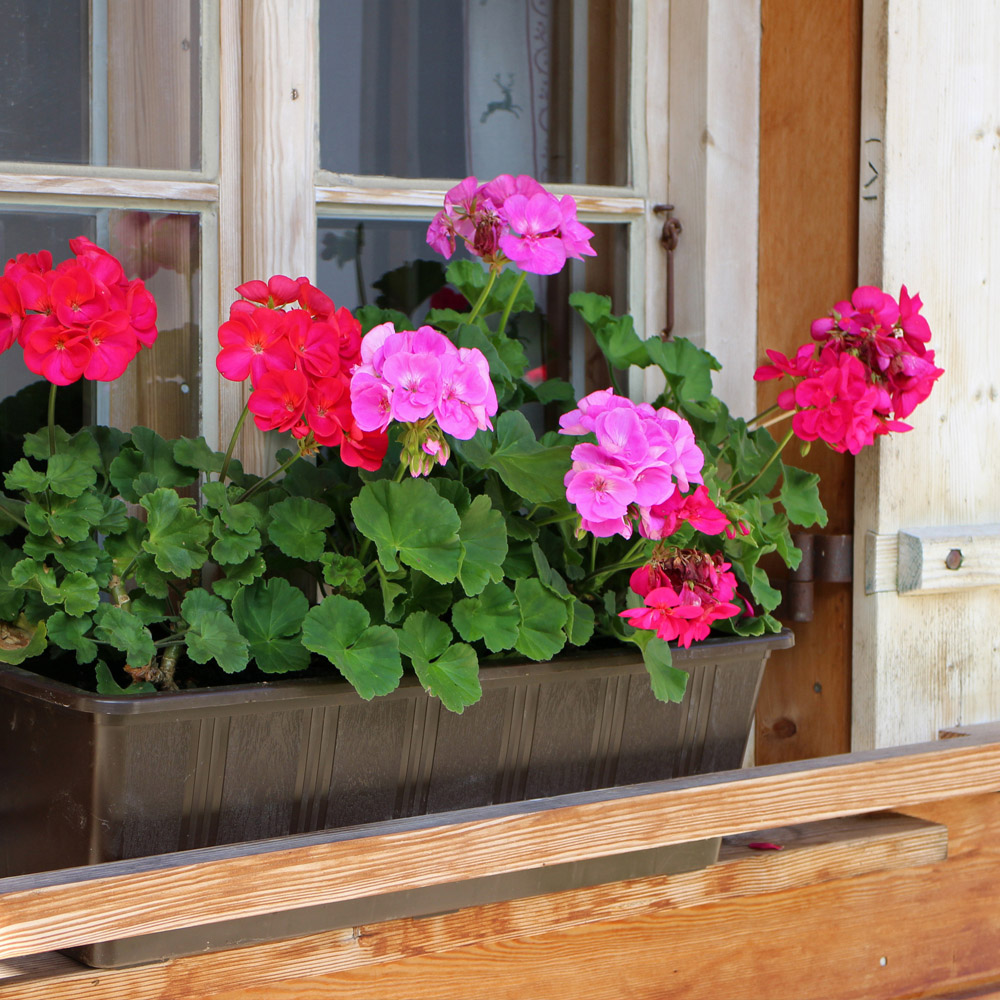
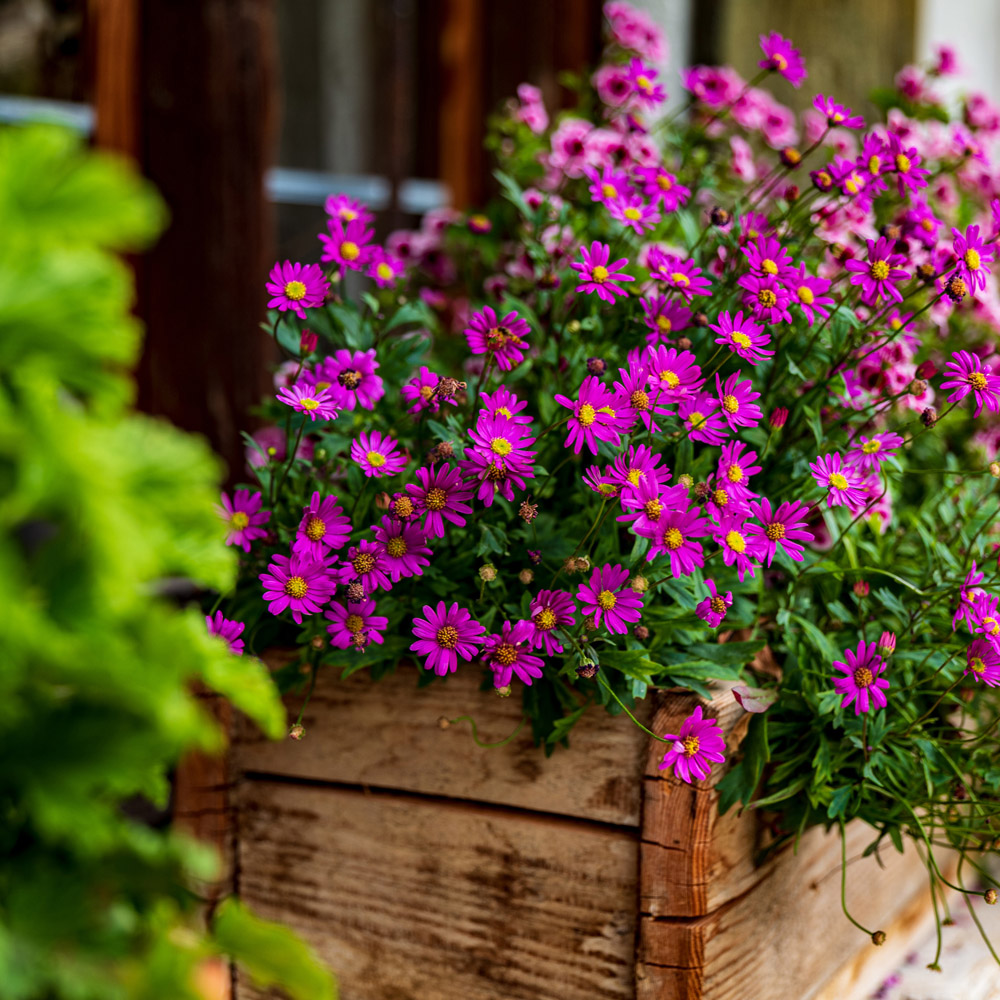
How to Care for Your Window Boxes

Window boxes can provide plentiful gardening space in the city, even without a yard. Whether you live in an apartment, condominium, or row house, you can add window boxes for extra gardening, and with proper care, your window boxes can yield a delicious harvest, fragrant herbs, or stunning flowers for you to enjoy.

About Window Boxes

Window boxes aren’t just for windows, and there are many different shapes and designs to choose from. Over-the-railing boxes are ideal for decks and balconies, and wall-hanging boxes can make use of any vertical space. These versatile containers are available in different sizes, from small, compact containers to much deeper, larger options for even bigger vegetables and multiple plants.

Wood is the traditional material for window boxes and is still a favorite choice for many spaces. Plastic and resin models are also available and can be lighter weight, and metal frames with moss or coir liners are attractive rustic options. You can even get creative with window boxes and choose non-traditional styles, such as repurposing garden boots, apron pockets, tin pails, or other fun containers to make a window box that suits your space and style.

While decorative flowers remain a popular favorite for window boxes, you can grow anything you like in these containers. An herb garden is ideal for these small spaces, or you can choose miniature versions of all your favorite vegetables and fruits. Mix plants up for a diverse window box, and use taller plants, such as climbing vines or grasses, to add more height, while trailing plants such as creepers and dangling vines can spill out of the space for more drama.

Best Window Box Care

No matter what you plant in your window box, you will want to give it the proper care for excellent growth and the most vibrant plants.

  • Mount the box securely.
    Use the proper fasteners to mount your window box, and take into account its full weight as plants grow. Freshly watered, damp soil will be heavier, and the box needs to be secure to hold that weight. If you are placing the box on a railing, be sure the railing is sturdy and the box is not tipped or angled unsafely.
  • Choose appropriate plants for the space.
    Consider the sunlight your box will get when choosing which plants to grow in the space. The sun will shift throughout the season, and you want to be sure your plants have the levels of sunlight they require for their best growth. Also be sure the box provides enough depth for adequate root growth so the plants will be their healthiest, and be aware that window boxes may be subject to extra heat reflecting off glass or walls, so heat-tolerant plants are always a good choice.
  • Use high-quality, moisture-retaining soil.
    Window boxes need good quality potting soil to nurture plants, and which soil you choose will depend on whether you are growing vegetables, flowers, succulents, or herbs. Soil mixes with moisture-retaining granules are a great choice for window boxes and will help keep the plants watered so they stay lush, beautiful, and productive.
  • Water the box properly.
    Window boxes can dry out more quickly than traditional garden spaces and may need to be watered daily or even more than once a day depending on the box size, how the soil retains moisture and the watering needs of your plants. A watering wand can help you reach window boxes in more difficult places, or consider adding water globes to the box for a practical splash of color that will keep your plants watered.
  • Choose slow-release fertilizers for extra nourishment.
    A slow-release, liquid fertilizer is a great option for window boxes and will help provide all the nutrition your plants need. Choose a fertilizer blend that suits your plants’ requirements, and apply it once a week or at whatever rate is recommended for your box size and type of plants.
  • Groom your window boxes regularly.
    Because window boxes are such a small space, it can be easy to keep them looking their best with regular deadheading and other maintenance. Trim and prune plants as needed to help them retain their shape, always using good-quality hand tools with sharp blades for safe, smooth cuts. If you are growing edibles, harvest your produce regularly to encourage even more production.
  • Protect window boxes from sudden cold.
    Just like any plants, window box gardens can be damaged by cold snaps. Invest in appropriate plant covers to shield the boxes if the temperatures drop, and even consider bringing them indoors temporarily if a freeze is threatening. Adding a layer of insulation to the inside of a generous box, such as lining it with foam board, can also help protect delicate roots from possible cold and retain moisture throughout the season.

Add More Enjoyment to Your Window Boxes

Don’t be afraid to think outside the box with your window boxes. Any urban garden – even a small one at your windows or on your railings – can have quaint touches, such as adding a small bird feeder, a fairy garden, or a decorative garden stake or flag. These accents can help you personalize your box and truly make your small garden a relaxing and enjoyable space, no matter what its size or where you plant it.

How to Care for Your Windowboxes

How to Care for Your Windowboxes

How to Care for Your Windowboxes

How to Care for Your Windowboxes

Wonderful Watermelon

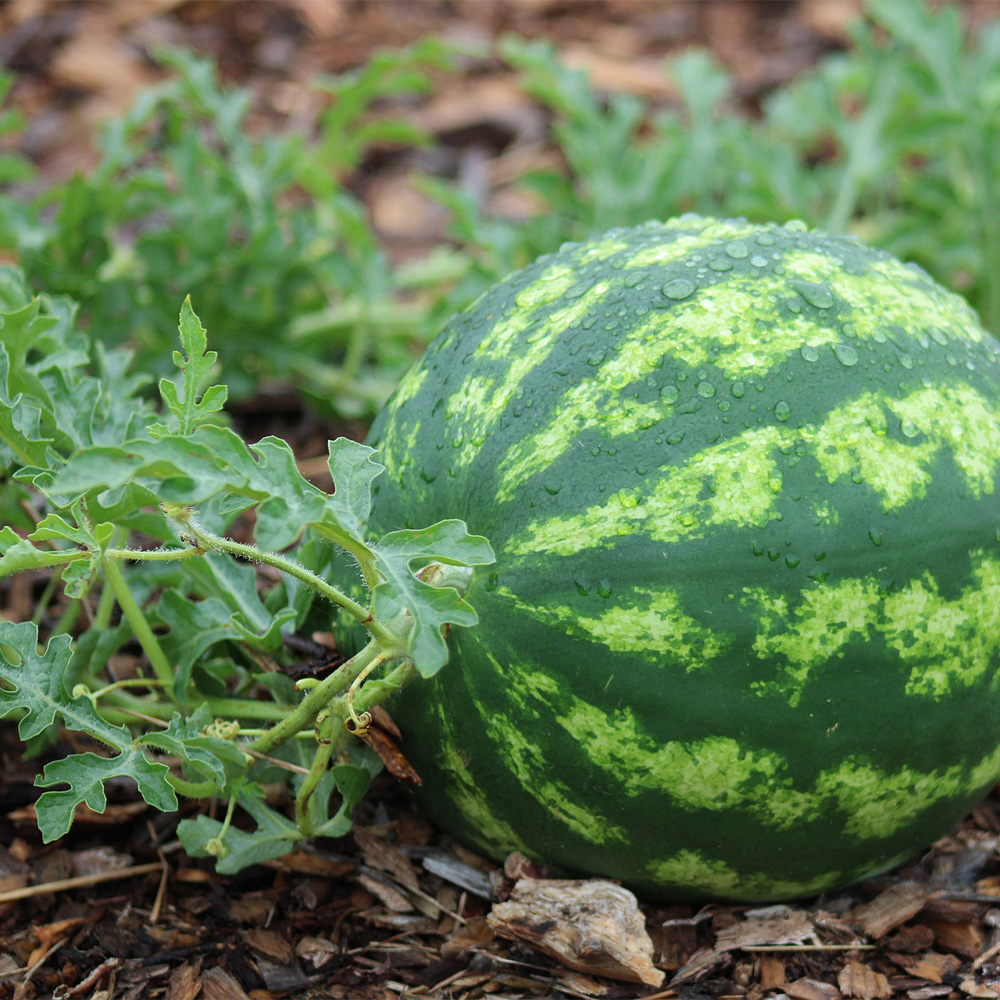
Juicy, cool, and sweet watermelon is the perfect summertime treat, and no summer shindig is complete without this refreshing addition. Did you know that watermelon is also easy to grow? Impress your friends at your next summer soiree with the freshest fruit straight from the garden.

Let’s Begin

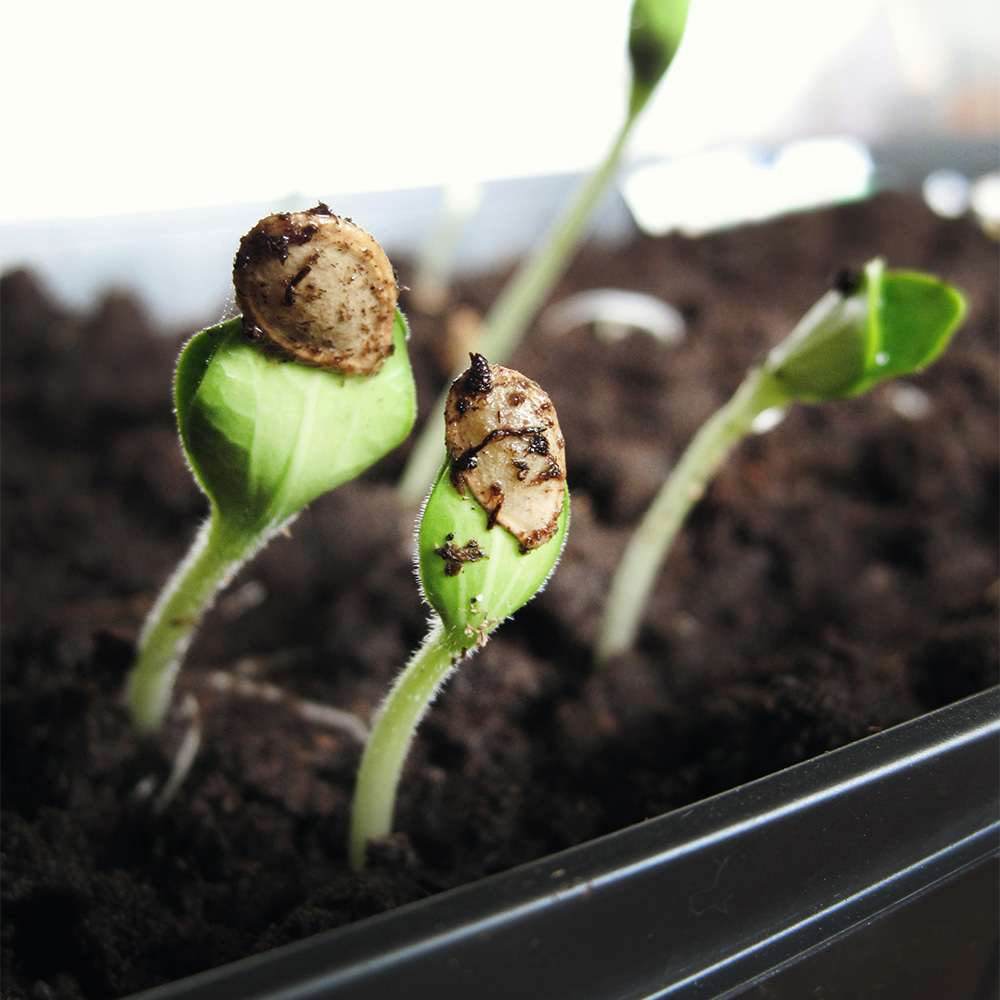
Watermelon may be grown from seed directly sown or from transplants. No need to rush; it’s best to make sure that both your air and your soil is warm before planting. Large fruiting watermelon plants take about 80 to 90 days to reach maturity: small fruiting varieties about 70 to 75 days.

Planting

Watermelons require deep, rich, nutritious soil to grow and taste their best. Plant your watermelon seeds, or transplants, in a sunny location about 6 feet apart and provide plenty of room for the vines to sprawl. Dig a large hole in your garden bed, about 1 foot deep and wide, and amend it with plenty of high-quality compost. If planting in a raised bed, which is an excellent way to grow watermelon, the bed may be filled with a raised bed mix or topsoil amended with plenty of compost.

Feeding

Fertilize your watermelon plants when they emerge from the soil or at transplant time, again when vines begin to sprawl, and one last time at fruit set with an organic fertilizer recommended for fruits and vegetables.

Watering

Watermelons require ample and consistent water to grow their sweetest and juiciest. Stopping supplemental watering about two weeks before the fruit is ready to harvest will allow for sugar concentration, creating a sweeter fruit.

Tips

  • Mulch the area where the vines will run with a thick layer of mulch. Salt marsh hay or straw are perfect choices. Mulching will keep the developing fruit off the ground, helping it remain clean and preventing it from rotting on moist soil.
  • Watermelons are ready to harvest when the tendrils near the fruit turn brown, the under area of the fruit turns from white to a pale yellow, the green complexion becomes dull, and there is a hollow sound when you knock on the fruit with your knuckles.

The summer growing season is just beginning, and there’s still time to plant plenty of watermelons to impress your guests!

Watermelon

Watermelon

Watermelon

Creating Shade

Shade is essential to make your outdoor living space more pleasant and comfortable so you will be able to enjoy it more often, even on the hottest days. Whether your yard already has some natural shade or you need to shade an entire sunny oasis, there are many options to choose from.

Map the Light

Before you put up a new structure or plant trees for shade, study where the shade already is in your yard. How does the sunlight change throughout the day or in different seasons? Is there natural shade you can make use of? How intense is the sunlight in different spots? Also, take note if you’d like to keep some sun in your space so you don’t create too much shade.

10 Great Ways to Add Shade to Your Outdoor Living Space

Depending on the size and shape of your space and how much shade you want, there are many ways to keep out some or all of the sunlight.

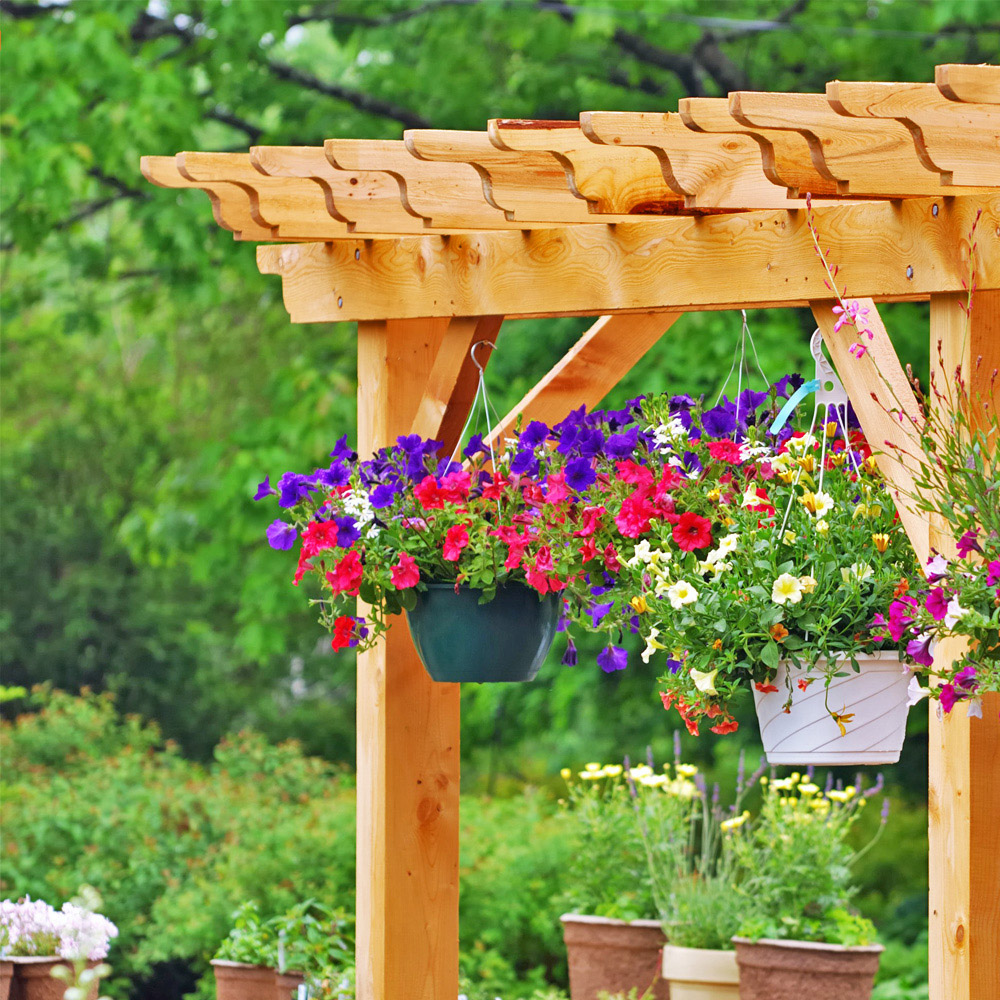
  1. Plants – Natural shade is great for any space, but if you don’t want to wait years for a tree to grow, choose fast-growing shrubs or privacy options such as bamboo or tall fountain grasses. You can also add large hanging pots of flowers and ferns for instant shade.
  2. Structures – All types of yard structures can add shade to your space. A gazebo, pavilion, pergola, trellis, or arbor can provide shade, and you can add climbing vines to the structure to thicken the shade and soften its lines for a more natural feel.
  3. Umbrellas – Adding an umbrella is an instant way to create shade in your space. Umbrellas come in different sizes, and some have articulating hinges to be tilted at different angles for the best shade in different seasons.
  4. Awnings – A classic way to shade a deck or patio, awnings can be permanent fixtures or may fold or retract when not in use, giving more flexibility to your space. Awnings may be canvas, fabric, or even metal.
  5. Curtains – Breezy fabric walls and curtains can shade your space without making it feel enclosed or contained. Choose loose, sheer fabrics or even lace for light shade, or heavier, solid draperies for thicker, cooler shade.
  6. Shade Sails – Tightly stretched, triangular shade sails add shade to your space with a sleek, modern touch. These sails come in different colors and sizes and can be oriented to shade even in awkward spaces.
  7. Vertical Shades – When the angle of the sun drops, vertical shades can be perfect for cutting glare and keeping your space shaded. Rolling blinds or Roman shades are popular, and different panels can be adjusted individually for more versatility.
  8. Canopies – A simple canopy immediately shades space under a pergola or other open roof, or a temporary canopy can be erected on a simple frame. Different colors and weights of canvas and fabrics can be used for canopies, and they can retract on wires to open the space when desired.
  9. Cabanas – A fun way to add shade to a poolside patio or tropical oasis is with a thatched cabana. These peaked roofs still offer some air circulation and can be made thick or thin for different levels of shade.
  10. Mix and Match – There’s no need to settle for one type of shade in your outdoor living space. Choose the different options that meet your needs and match your style, and you’ll be able to enjoy plenty of comfortable shade all year round.

Creating Shade

Creating Shade

Creating Shade

Creating Shade

Milkweed and Monarchs

In nature, few relationships are as intricate and essential as that between the Monarch butterfly and the milkweed plant. Famous for being the most recognized insect in the US, these vibrant winged beauties rely on milkweed not only for sustenance but for their very survival. Sharing this fascinating relationship between Monarchs and milkweed with you, we’ll explore how this plant supports every stage of the butterfly’s life cycle.

Birthplace and Sanctuary:

Milkweed, genus Asclepias, serves as the cradle of life for Monarch butterflies. Female Monarchs lay their eggs exclusively on milkweed plants, offering them a safe haven as they undergo their transformation from egg to caterpillar to chrysalis to butterfly.

Caterpillar Cuisine:

Once the Monarch eggs hatch, the tiny caterpillars feast voraciously on milkweed leaves. These particular leaves provide the essential nutrients needed for the caterpillars to grow rapidly. As they munch on the leaves, they accumulate toxins from the milkweed sap, making them distasteful and even poisonous to potential predators. This unique adaptation is crucial for the survival of Monarch caterpillars in the wild.

Metamorphosis Station:

As the caterpillars mature, they undergo a miraculous transformation within their chrysalis, emerging as fully-formed adult butterflies. Milkweed habitats provide the ideal environment for this metamorphosis to occur. Not only is milkweed the favored source of food, but the structure of milkweed plants, with their sturdy stems and broad leaves, offers ample space for Monarch chrysalises to hang securely until the butterflies emerge.

Fueling the Journey:

During their remarkable migration journeys, Monarch butterflies rely on milkweed for sustenance. Nectar from milkweed flowers serves as a vital energy source, fueling their long flights across continents. As they journey thousands of miles from their breeding grounds to overwintering sites and back again, Monarchs depend on the abundance of milkweed along their migratory routes.

Conservation Connection:

The decline of milkweed habitats poses a significant threat to Monarch populations. Factors such as habitat loss, pesticide use, and climate change have led to a decline in milkweed availability across North America. Efforts to conserve and restore milkweed habitats are essential for ensuring the survival of Monarch butterflies. By planting milkweed in home gardens, individuals can contribute to the preservation of this vital butterfly species. Selecting the appropriate milkweed species is crucial for attracting Monarchs. While there are over 100 species of milkweed native to North America, some varieties are particularly favored by Monarchs, and many are region-specific.

Milkweed Species for Northeast and Midwest

In the Mid-Atlantic States, there are several native milkweed species that are crucial for Monarch Butterflies. Here are some of them, along with their details:

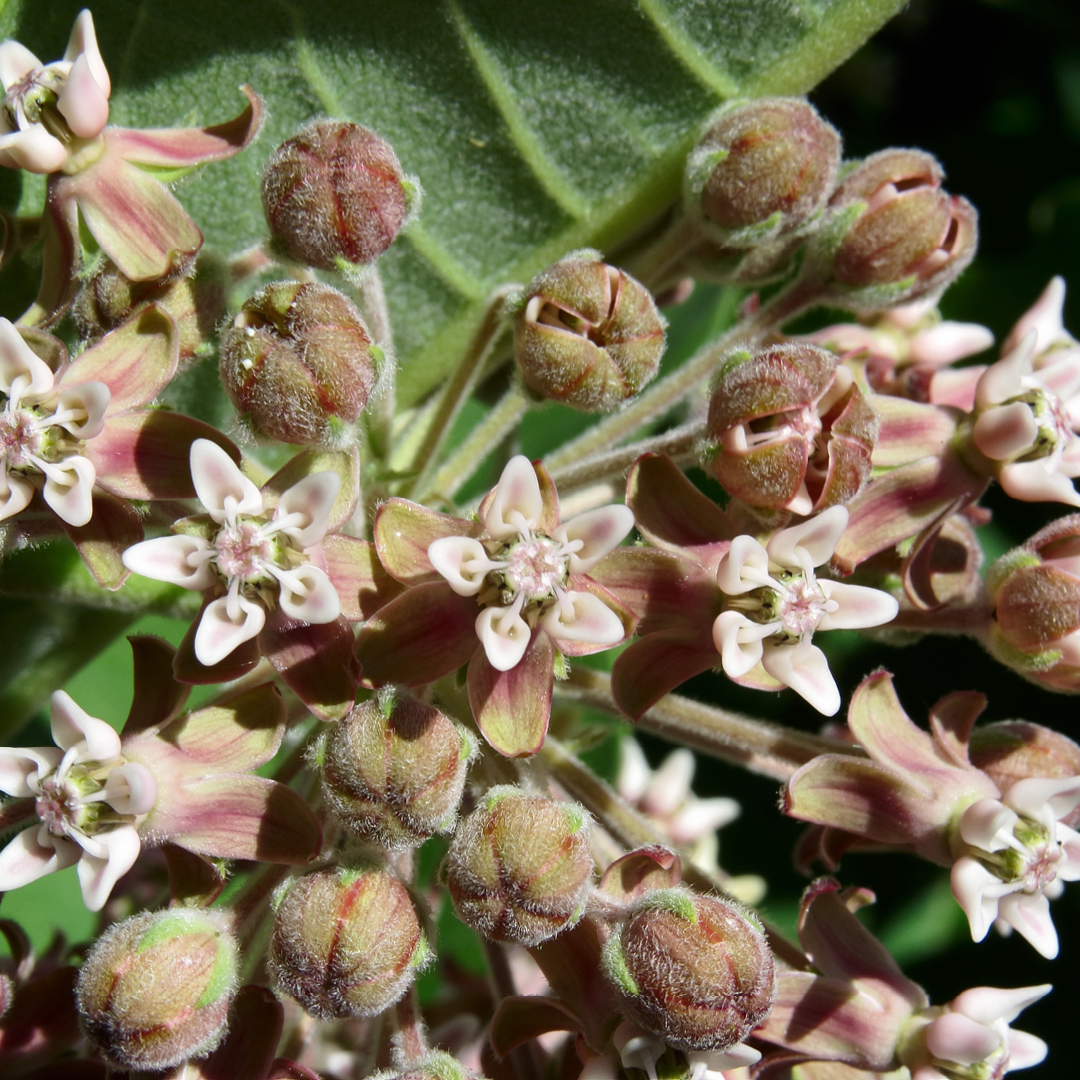
Common Milkweed (A. syriaca)

Common milkweed is perhaps the most well-known milkweed species.

It typically grows in tall clusters and produces pink to purplish flowers. It is most often found in a variety of habitats, including fields, meadows, and roadsides.

Swamp Milkweed (A. incarnata)

As the name suggests, swamp milkweed is often found in wetter habitats like marshes, wet meadows, and along stream banks. It has clusters of pink to mauve flowers. Swamp milkweed is an excellent choice for wetter areas where other milkweed species might not thrive.

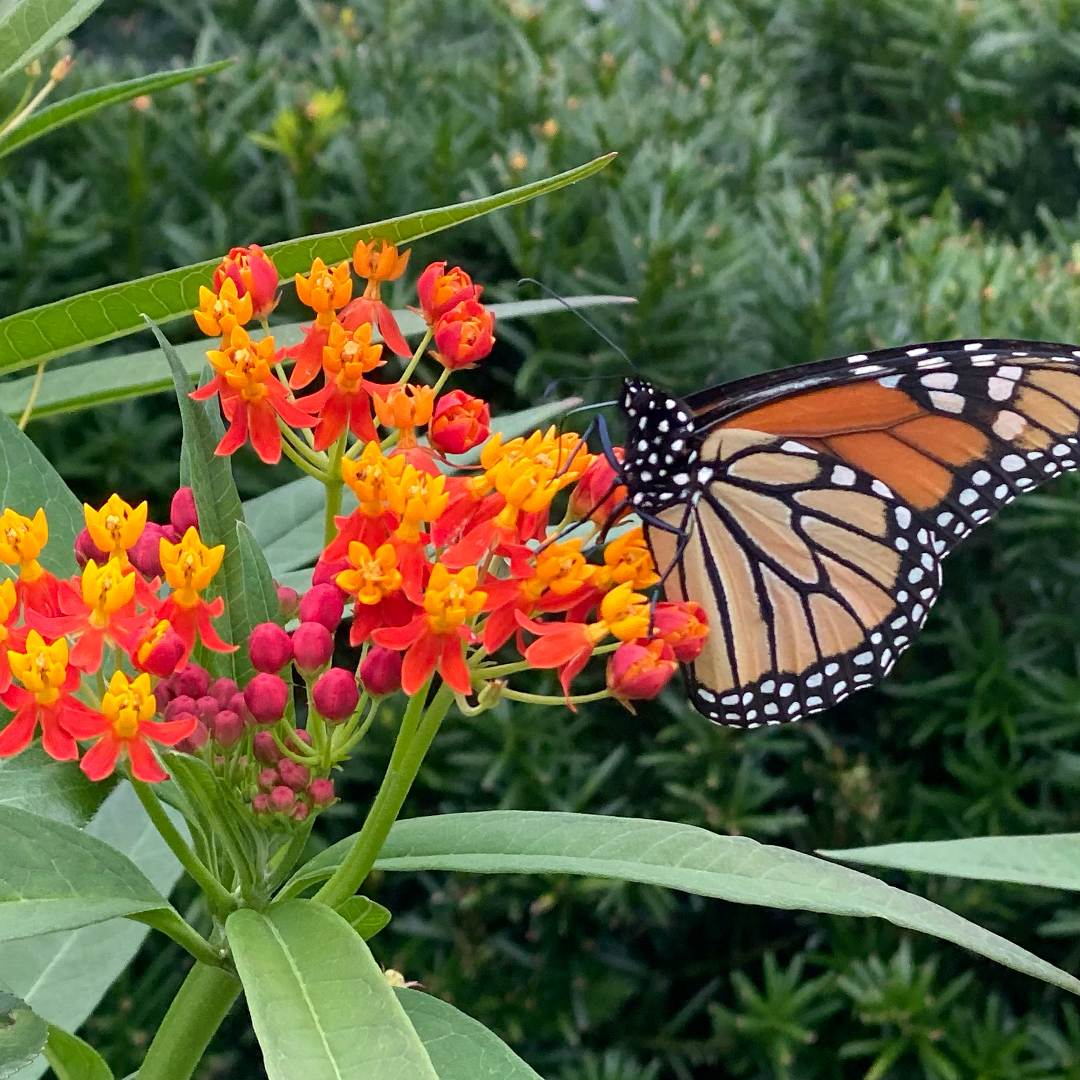
Butterfly Weed (A. tuberosa)

Butterfly weed is known for its vibrant orange flowers and is a favorite among gardeners. It prefers well-drained soil and is often found in dry fields, along roadsides, and in open woods. While it’s not as commonly used by Monarch larvae as some other milkweed species, it’s still an important nectar source for adult butterflies.

Poke Milkweed (A. exaltata)

This milkweed species has tall, slender stems and delicate, pale pink flowers. It’s typically found in shaded woodlands and along forest edges. While it’s not as widespread as some other milkweed species, it’s still an important host plant for Monarch caterpillars where it occurs.

Whorled Milkweed (A. verticillata)

Whorled milkweed is characterized by its narrow leaves and small clusters of white flowers. It’s found in a variety of habitats, including dry fields, open woods, and roadsides. While it may not be as common as some other milkweed species, it’s still valuable for Monarch butterflies, particularly in areas where other milkweeds may not grow as well.

These native milkweed species will not only provide an essential habitat for Monarch Butterflies but also support other native pollinators in your area. Make sure to choose species that are appropriate for your specific region and growing conditions.

Cultivating Milkweed for Butterfly Abundance

Are you ready to invite the mesmerizing beauty of Monarch butterflies into your garden? Cultivating milkweed isn’t just about growing a plant; it’s about fostering an ecosystem, supporting biodiversity, and witnessing the awe-inspiring journey of one of nature’s most iconic creatures – the Monarch butterfly.

Now that you’ve chosen your milkweed varieties, it’s time to roll up your sleeves and get gardening! Here’s a general step-by-step guide to growing milkweed in the garden to create a haven for Monarchs.

  1. Site Selection
    Choose a sunny spot in your garden with well-drained soil. Although some exceptions exist, most milkweed plants prefer full sun but can tolerate partial shade.
  2. Soil Preparation
    Milkweed isn’t overly picky about soil type but does prefer soil that’s not too compacted. Loosen the soil to a depth of about 6 inches and amend with compost if necessary.
  3. Planting
    Sow milkweed seeds directly in the ground in early spring after the danger of frost has passed. If you prefer to start with seedlings, transplant them into your garden with plenty of space between plants to accommodate their mature size.
  4. Watering
    Keep the soil consistently moist but not waterlogged, especially during the plant’s early growth stages. Once established, milkweed is relatively drought-tolerant.
  5. Maintenance
    Milkweed is generally low-maintenance, but removing weeds around young plants can help them thrive. Deadheading spent flowers can encourage continuous blooming and prevent self-seeding if desired.
  6. Ongoing Support
    Embrace the biodiversity that milkweed attracts by avoiding the use of pesticides and herbicides in your garden. Encourage beneficial insects and pollinators to make themselves at home alongside your Monarchs.

As your milkweed garden flourishes, so too will the population of Monarch butterflies that grace your outdoor oasis. By cultivating milkweed, you’re not just growing a plant – you’re fostering a connection to nature, supporting wildlife conservation efforts, and creating a sanctuary for Monarchs to thrive. So, roll out the floral welcome mat and prepare to be enchanted by the majestic beauty of Monarch butterflies in your own backyard.

Milkweed and Monarchs

Milkweed and Monarchs

Milkweed and Monarchs

Great Gifts for Dad

Is your dad a hands-in-the-dirt, let’s-get-sweaty, these-weeds-will-never-win gardener? Whether he gardens with a fierce passion, calculates his harvest, or just enjoys this hands-on hobby, there are many great gifts for Dad to help him enjoy every moment he spends tilling, planting, weeding, watering, and harvesting.

Garden Center Gifts for Dad

Garden centers have a full crop of gifts for the gardening Dad. He’s always done his best to be a good provider, so why not give him a gift to make his gardening time even more productive? These top options are always popular gifts.

  • Tools – Give Dad a helping hand in the garden with new hand tools or other small tools. If he’s a lefty, left-handed tools will have a more comfortable grip, or choose ergonomic designs. New tool designs may make gardening tools more efficient, or look for upgraded options for Dad’s favorite tools.
  • Tools for Tools – If Dad prefers his old tools, help keep them in good condition with a new whetstone or sharpener, appropriate oiling, or new grips. A tool organizer belt or stand can be a great gift, or find accessories to help out in the garden, such as a hose extender.
  • Plants – Help Dad expand his garden with a gift of plants, from established seedlings to dormant bulbs to seeds for all his favorites. For a more unique gift, consider finding heirloom vegetable varieties or planning a grilling herb garden that Dad will love.
  • Space – Give Dad more room to grow when you expand his garden space with an elevated planter or green wall, hanging planters, or an arbor, trellis, or other support structure that can give climbing vegetables more room to thrive.
  • Attire – Make sure Dad is well-equipped for his gardening efforts with the right clothing. A broad-brimmed hat, durable gloves, and waterproof boots can help him tend to gardening chores in any weather.
  • Feeders – A garden feeds more than just a family, and if Dad doesn’t mind a few wildlife guests sneaking a free meal, help him attract birds and butterflies with the right feeders or houses to welcome those guests.
  • Excluders – Not all garden guests are equally welcome, and some men will prefer gifts that keep unwanted visitors away from the harvest. Baffles, deer-resistant plants, or humane traps can be good options for only letting welcome guests into Dad’s garden.
  • Monitors – Let Dad get all the data he wants to make his garden great when you give him an outdoor thermometer, barometer, or complete weather station setup. Rain gauges, hose timers, and soil test kits are other useful choices.
  • Signage – Tell the world how great Dad’s garden is with a sign that proclaims “Dad’s Garden” or is personalized with his name. Other personalization, such as jobs or favorite sports teams, can be fun options to add Dad’s flair to his garden.
  • Nourishment – It may not be the cleanest gift but it can be a clever one if you give Dad a load of compost, manure, or other fertilizer to help his garden grow. Even better is if your gift includes plenty of help to spread that nourishment around and work it into the soil.

The Best Gift for Dad

The very best garden-themed gift of all is showing Dad how much you appreciate both him and his garden. Spend time with him in the garden attending to necessary tasks or harvesting the latest tasty vegetables. Compliment how productive his plants are or how bountiful the harvest has been, and ask for tips and guidance to bring his expertise to your own planting and gardening efforts. The more you spend time with Dad in the garden, the more wonderful memories you will be able to grow together that you can harvest and enjoy for years to come.

Gifts for Dad

Gifts for Dad

Gifts for Dad

Great Gifts for Mom

Spring is the perfect gardening season and as Mother’s Day approaches right at the height of spring, why not celebrate Mom with a gardening gift? The garden center is packed with great gifts for Mom that are ideal for Mother’s Day, birthdays, or any occasion to tell Mom just how much she means and how appreciated she is.

Garden Center Gifts for Mom

Many gift ideas can come from the garden center. When choosing the best gift for Mom, consider her preferences, needs, and favorites to find a gift that suits her gardening style. The most popular gift ideas include…

  • Tools – Help Mom make the most of her gardening with all the best tools to get the job done. Smaller hand tools that will be more comfortable in her hand are a great choice or choose ergonomic tools for a more comfortable grip. Is Mom a lefty? Choose left-handed tools that will be more efficient for her to use.
  • Attire – Let Mom show off her gardening style with practical attire to wear while she gardens. A broad-brimmed hat with a quirky ribbon, a colorful pair of garden gloves, a comfortable pair of clogs, or a sweatshirt for chillier gardening days are all good choices. Opt for Mom’s favorite colors or patterns for an even more thoughtful gift.
  • Signs – Mom has always been welcoming, so why not extend that hospitality into the garden with a welcoming sign? Personalized wooden signs can declare the space as “Mom’s Garden” or can be customized with her name or initials. Fun garden flags are another option to add a greeting to the garden’s entrance.
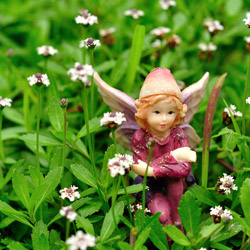
  • Fairies – Help Mom add a whimsical touch to her garden or containers with fairy accents. Small props such as charming houses, sweet little swings, quirky toadstools, and other decorations can be a fun addition to a garden of any size, from simple containers to a more extensive plot. Garden gnomes can also be a fun choice.
  • Plants – Give Mom something new to grow with a gift of seeds, bulbs, or seedlings. Choose her favorites or splurge on a new exotic variety she’s always wanted to try. If spring hasn’t quite sprung, you can also opt for houseplants or indoor garden options such as herbs to let her enjoy her green thumb even in poor weather.
  • Feeders – Let Mom welcome wildlife into her gardening space with a feeder for feathered guests. Hummingbird feeders are especially popular, as well as oriole feeders. Regular birdseed feeders can also be a great choice for the Mom who welcomes all sorts of visitors and may not mind a bit of spilled seed in her garden.
  • Houses – Another way Mom can welcome wildlife into the garden is by providing suitable homes for guests. Birdhouses, bat houses, bee houses, toad shelters, and butterfly houses are all great options that can not only give Mom joy when she sees new residents move in, but they are beneficial to the garden with pest control and pollination.
  • Totes – If Mom needs a bit of help hauling all her tools, seeds, and other gear around the garden, a tote bag, bucket, or basket can be a convenient and helpful gift. For even more industrious hauling, consider a small wagon, wheelbarrow, or garden cart that you can fill with other surprises and gifts.
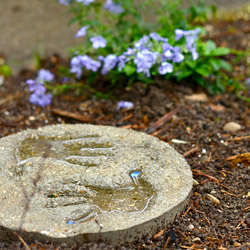
  • Stepping Stones – Add a personalized touch to Mom’s garden with a homemade stepping stone that includes the names of children, grandchildren, or pets. Handprint or pawprint kits are other meaningful choices, and the stones can be decorated with colored pebbles, embedded jewels, and other creative accents.
  • Containers – If Mom has trouble containing her excitement for gardening, new containers can help expand her gardening space. Choose colorful pots, stackable gardening systems, hanging pots, or wall containers for more space. If Mom has a bit of trouble getting down to the dirt, an elevated planter can be a perfect gift.
  • Décor – Add a bit of flair to Mom’s garden with a decorative gift such as a gazing ball, whimsical statue, wind chimes, or wind socks. Decorations can even have a practical side if you choose a barometer, rain gauge, plant identification stakes, bird bath, or other gift ideas that bring both beauty and functionality to the garden.
  • Hand Care – Help Mom keep her skin lovely after a day of rough gardening with hand care gifts. Lotions, soaps, and exfoliants are all available and are often infused with beautiful garden scents such as favorite flowers and herbs. Not only will these gifts keep Mom’s skin healthy, but they will remind her of all the joy she takes in gardening.
  • Jewelry – Let Mom show off her passion for gardening with fun garden-themed jewelry such as a charm, pendant, pin, brooch, or earrings in the shape of watering cans, garden tools, or favorite plants and flowers. Mom might wear the jewelry, or jewelry could be attached to a garden tote or hand tools for a bit of bling.

The Best Gift of All

The very best gardening gift you can give Mom is just to appreciate her and her garden. Compliment the beauty of her flowerbeds or the tastiness of her herbs and vegetables, or admire how she manages to bring a plant back from the brink or coax a bigger harvest from a smaller plant. Better still, offer to help in the garden with less enjoyable chores or just spend time with Mom and all she loves about gardening. That time will become a memory you can both enjoy, and will be a gift not just for Mom, but for you as well.

Gifts for Mom

Gifts for Mom

Gifts for Mom