
Monthly Archives: March 2026

Top Mulching Tips: How to Mulch Like a Pro (and Why It Matters)

Mulching is one of the simplest ways to transform your landscape—but the real magic happens when it’s done the right way and at the right time.

If you want healthier plants, fewer weeds, and better soil, follow this step-by-step approach used by the pros 👇

🌱 Why Mulching Matters

Mulch does so much more than make your beds look fresh:

  • Locks in moisture (less watering in summer)
  • Suppresses weeds before they start
  • Regulates soil temperature
  • Prevents erosion
  • Improves soil over time

Think of mulch as a protective layer that helps your entire landscape thrive.

🌳 Why Pine Bark Mulch is a Smart Choice

When it comes to mulch, pine bark stands out as one of the best options.

  • Improves soil health as it slowly breaks down
  • Holds moisture while allowing airflow to roots
  • Long-lasting, so you don’t have to reapply as often
  • Gently supports acid-loving plants like hydrangeas, evergreens, and blueberries

It’s a natural way to build better soil year after year—while keeping your beds looking clean and professional.

🛠️ The Right Order: How to Mulch Like a Pro

This is where most people go wrong—mulching is the final step, not the first.

✔️ Step 1: Prune First

  • Trim back dead or damaged branches
  • Shape shrubs as needed
  • Cut back perennials from last season

👉 This keeps your beds clean and prevents trapping debris under mulch

✔️ Step 2: Fertilize Your Plants

  • Apply a slow-release fertilizer around trees, shrubs, and perennials
  • This gives plants the nutrients they need right before the growing season kicks in

👉 Mulch will help hold those nutrients in place

✔️ Step 3: Weed Thoroughly

  • Remove existing weeds completely (roots and all if possible)
  • Edge your beds for a sharp, finished look

👉 Mulch prevents weeds—but only after you start clean
✔️ Step 4: Apply Pre-Emergent (If Needed)

If weeds have been a problem in your beds:

  • Apply a pre-emergent herbicide like Snapshot Pre-Emergent Herbicide
  • This creates a barrier that prevents new weeds from germinating

👉 Best applied before or just after mulching, depending on your preference and label directions

✔️ Step 5: Mulch at the Proper Depth

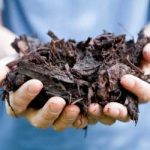
  • Apply 2–3 inches of mulch evenly
  • Keep mulch a few inches away from trunks and stems

🚫 Avoid “mulch volcanoes”—they can cause rot and pest issues

💡 Pro Tips to Make Mulching Easier

  • Water your beds before mulching to lock in moisture
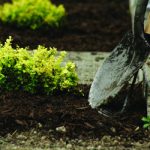
  • Dump mulch in small piles, then spread evenly
  • Use a tarp to move mulch quickly across large areas
  • Smooth by hand for a clean, professional finish

🌸 When to Mulch

  • Spring: retain moisture + prevent weeds
  • Fall: insulate roots + improve soil

Both are great times to refresh your beds.

🌼 The Bottom Line

Mulching isn’t just about looks—it’s about setting your plants up for success.

When you:
✔ Prune
✔ Fertilize
✔ Control weeds
✔ Then mulch

…you create a landscape that’s healthier, easier to maintain, and beautiful all season long.

And for the best long-term results?
🌿 Pine bark mulch is one of the smartest choices you can make. Read more about the benefits of Pine Here.

Don’t Miss Out on These Early Blooming Perennials

Don’t Miss Out on These Early Blooming Perennials

Your garden’s first color, and your easiest wins

After a long winter in Maryland, nothing feels better than those first blooms pushing through the soil. Early-blooming perennials aren’t just beautiful—they’re hardworking plants that solve real garden challenges. From brightening shady corners to feeding early pollinators, these varieties set the tone for a successful season.

Let’s break them down by where they shine best—and why you’ll want them in your landscape this year.

🌿 Shade Garden Stars

Color where you need it most

Shady areas can feel limiting—but these early bloomers turn them into some of the most magical parts of your landscape.

Lenten rose (Helleborus)

If there’s one plant that defines early spring, it’s the Lenten rose.

What makes it special:

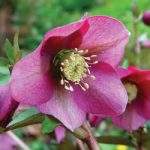
  • Lenten Rose – Helleborus orientalis. A Spring flowering hellebore with cerise pink flowers.

    Blooms as early as late winter—even through snow

  • Elegant, nodding flowers in soft pinks, whites, purples, and greens
  • Evergreen foliage adds year-round structure

Solution gardening benefits:

  • Deer and rabbit resistant (a huge win in Maryland landscapes)
  • Thrives in dry shade once established
  • Long-lived and low maintenance

Where to use it:
Plant near entryways, walkways, or under trees where you’ll catch those early blooms up close.

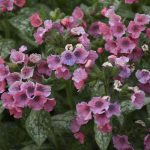
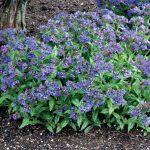
Lungwort (Pulmonaria)

A true shade garden gem that brings both flowers and foliage interest.

What makes it special:

  • Speckled or silver-washed leaves that brighten dark spaces
  • Unique flowers that often shift from pink to blue
  • One of the earliest nectar sources for pollinators

Solution gardening benefits:

  • Excellent for illuminating deep shade
  • Naturally resists deer
  • Helps support early-emerging bees when little else is blooming

Where to use it:
Tuck along shaded paths or beneath shrubs where its foliage can shine all season.


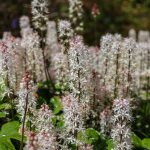
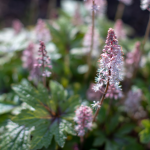
Tiarella (Foamflower)

A soft, woodland native that feels right at home in naturalistic plantings.

What makes it special:

  • Airy, bottlebrush-like blooms in white or blush tones
  • Attractive, often patterned foliage
  • Spreads gently to form a lush groundcover

Solution gardening benefits:

  • Perfect for erosion control on shady slopes
  • Native plant = supports local ecosystems
  • Low maintenance and adaptable

Where to use it:
Ideal for woodland edges, under trees, or filling in between larger shade plants.

☀️ Sun-Loving Early Bloomers

Bold color when your garden needs it most

Sunny beds come alive early with these vibrant, reliable performers.

Dianthus (Pinks)

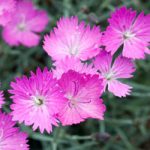
“Close up shot of some Spring time Dianthus Gratianapolitanus ‘Firewitch’ plant. 


A classic favorite that delivers both charm and fragrance.

What makes it special:

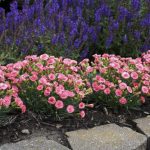
  • Frilled blooms in pink, red, and white tones
  • Sweet, clove-like scent
  • Compact, tidy growth habit

Solution gardening benefits:

  • Drought tolerant once established

    Courtesy of Proven Winners – www.provenwinners.com

  • Great for edging and small spaces
  • Attracts pollinators while resisting deer

Where to use it:
Perfect along walkways, in containers, or at the front of sunny borders.

Speedwell (Veronica)

Vertical interest that wakes up the garden early.

What makes it special:

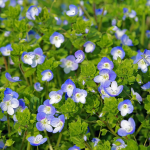
  • Spikes of blue, purple, pink, or white flowers
  • Adds height and structure to early-season beds
  • Long bloom time with potential rebloom

Solution gardening benefits:

  • Pollinator magnet
  • Easy to divide and spread throughout the garden
  • Great for layering with other perennials

Where to use it:
Mix into perennial borders to break up mounded plants with vertical lines.

Creeping phlox

A true spring showstopper—this is the plant people stop their cars for.

What makes it special:

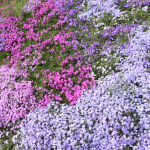
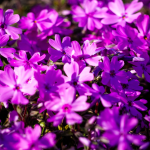
  • Carpet-like coverage of vibrant pink, purple, blue, or white blooms
  • Completely blankets the ground in color
  • Evergreen, needle-like foliage

Solution gardening benefits:

  • Excellent for slopes and erosion control
  • Suppresses weeds naturally
  • Low water needs once established

Where to use it:
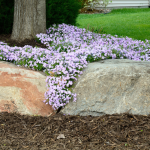
Spill it over retaining walls, edge pathways, or plant on slopes for a dramatic spring display.

🌸 Why Early Bloomers Matter

Planting early-blooming perennials isn’t just about aesthetics—it’s smart gardening.

They help you:

  • ✔ Feed early pollinators when resources are scarce
  • ✔ Fill the “color gap” before summer perennials emerge
  • ✔ Reduce maintenance with hardy, reliable plants
  • ✔ Solve tough spots (dry shade, slopes, poor soil)

🌱 A Simple Planting Strategy

For a landscape that feels full and intentional from day one:

  • Pair Lenten rose + Lungwort + Tiarella for a layered shade garden
  • Combine Creeping phlox + Dianthus + Speedwell for waves of color in sun
  • Repeat plants in groups for a natural, cohesive look

Early-blooming perennials are one of the easiest ways to elevate your landscape—and once they’re in, they’ll reward you year after year with very little effort.