
Monthly Archives: April 2026

Planting Bare-Root Trees

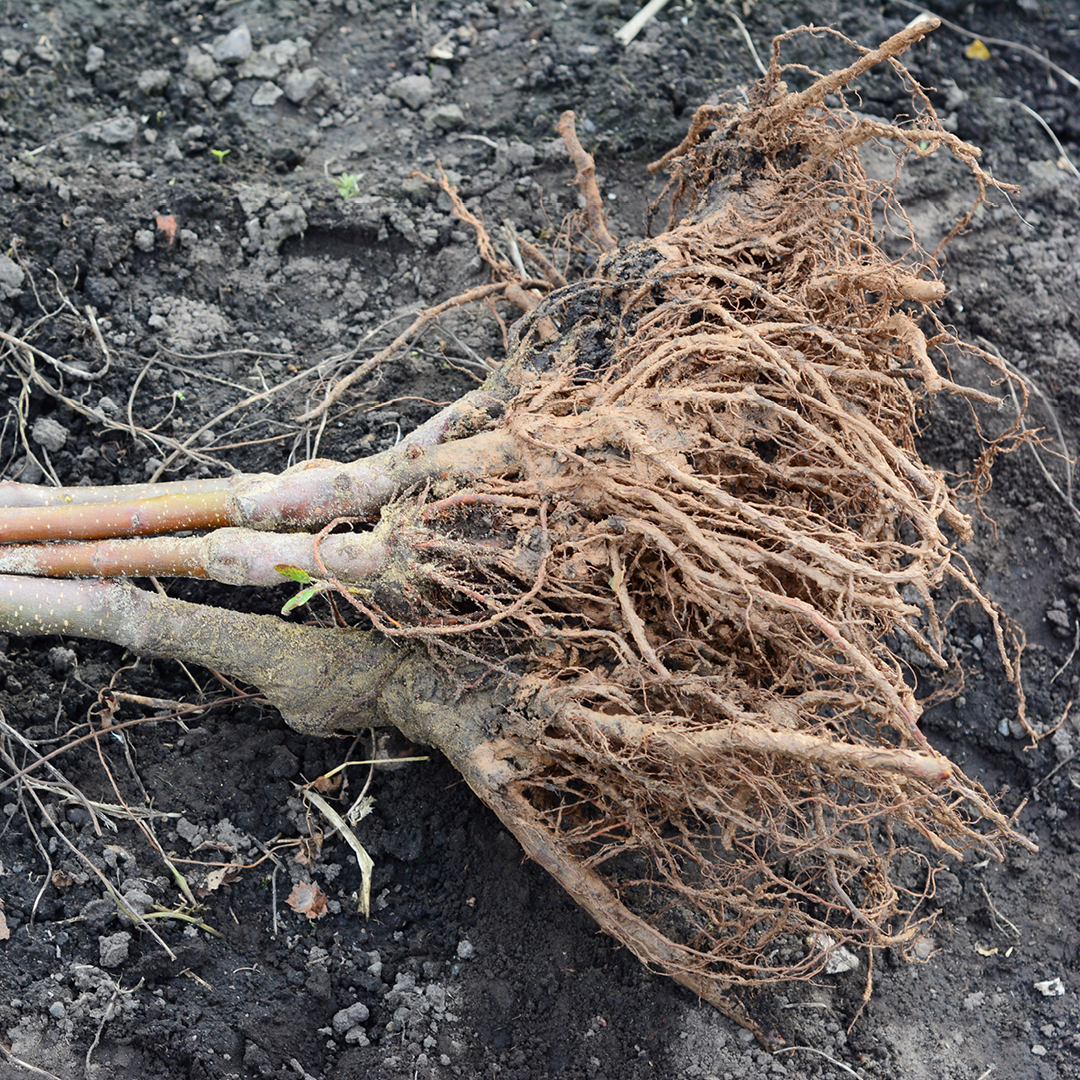
Bare-root trees provide one of the best ways to establish strong, long-lived landscape trees. Because they are planted while dormant, they settle into the soil, form roots quickly, and often outperform container-grown trees after just a few seasons. Whether you’re planting flowering ornamentals, shade trees, evergreens, or fruit trees, technique and timing make all the difference.

Bare-root trees are available only during a short seasonal window—late winter through early spring—before the growing season begins. Planting during this period helps reduce transplant shock and improves long-term health and stability.

Why Bare-Root Trees Excel

Without potting soil or container restrictions, bare-root trees have natural, uncirculated root systems capable of adapting immediately to native soil. This leads to improved anchoring, better nutrient uptake, and stronger drought resilience over time.

They are lighter, easier to move, and often cost less—making them ideal for both home gardeners and large landscape installations.

Preparing the Tree Before Planting

  • Keep roots moist but not submerged until planting.
  • Store in a cool, shaded location—never allow roots to freeze or dry out.
  • Soak roots in water for one to two hours before planting to rehydrate.

If planting must be delayed more than a few days, temporarily “heel in” the roots with soil or mulch.

Knowledge Tip: Tree Size Matters

  • Smaller bare-root trees (typically 2–4 years old, 0.5–1″ trunk diameter) are easier to establish and adapt quickly to their new environment. They require less initial water and support and tend to recover from transplant shock faster.
  • Larger bare-root trees (2″ diameter or more, occasionally offered) can be planted bare-root, but they are more challenging to establish because the root system must support a larger canopy. Extra attention to watering, staking (if needed), and mulching is critical for their success.
  • Fruit trees are commonly sold bare-root with trunks as small as 0.75″ as young stock. These young trees establish readily, while larger specimens require careful handling to ensure the graft union remains above soil and roots are fully supported.

How to Plant Bare-Root Trees

Follow this order for the best success:

  1. Dig the planting hole.
    Make it two to three times wider than the roots, but only deep enough so the tree will sit at the correct finished height.
  2. Locate the graft union (if present).
    Most fruit and ornamental trees are grafted. The graft union appears as a subtle bulge, bend, or seam low on the trunk.
    This point must remain above soil level—typically 2–3 inches above final grade.
    Planting too deep can cause improper rooting from the scion and reduce hardiness, stability, and performance.
  3. Create a soil mound in the center of the hole.
    Spread the roots outward over the mound so they sit naturally—not bent or circling.
  4. Backfill with the soil you removed.
    Avoid adding potting mix or rich compost during planting, as this can discourage roots from spreading into the surrounding soil.
  5. Water deeply as you fill.
    This helps settle soil around the roots and eliminates air pockets.
  6. Mulch properly.
    Apply 2–3 inches of mulch around the tree, keeping a small mulch-free gap right around the trunk.
  7. Stake only if necessary.
    Trees develop stronger trunks when allowed to sway slightly in the wind. Larger bare-root specimens are more likely to require temporary staking until roots establish.

Should You Fertilize at Planting?

Avoid traditional high-nitrogen fertilizer during planting. Early fertilizer can encourage premature leaf growth before the root system is ready to support it.

Instead, consider:

  • Mycorrhizal root inoculants to increase nutrient and moisture uptake.
  • Root stimulators containing humic acids, kelp extract, or B vitamins.

Regular fertilizing can begin the following growing season, once new foliage appears and the tree shows signs of establishment.

After-Planting Care

For the first one to two years, deep, consistent watering is the most important maintenance step. Water slowly and deeply once or twice per week, depending on rainfall and soil drainage.

Avoid major structural pruning at planting unless removing broken or crossing branches. Formative pruning can begin after the tree is established.

Types of Bare-Root Trees and How They Behave

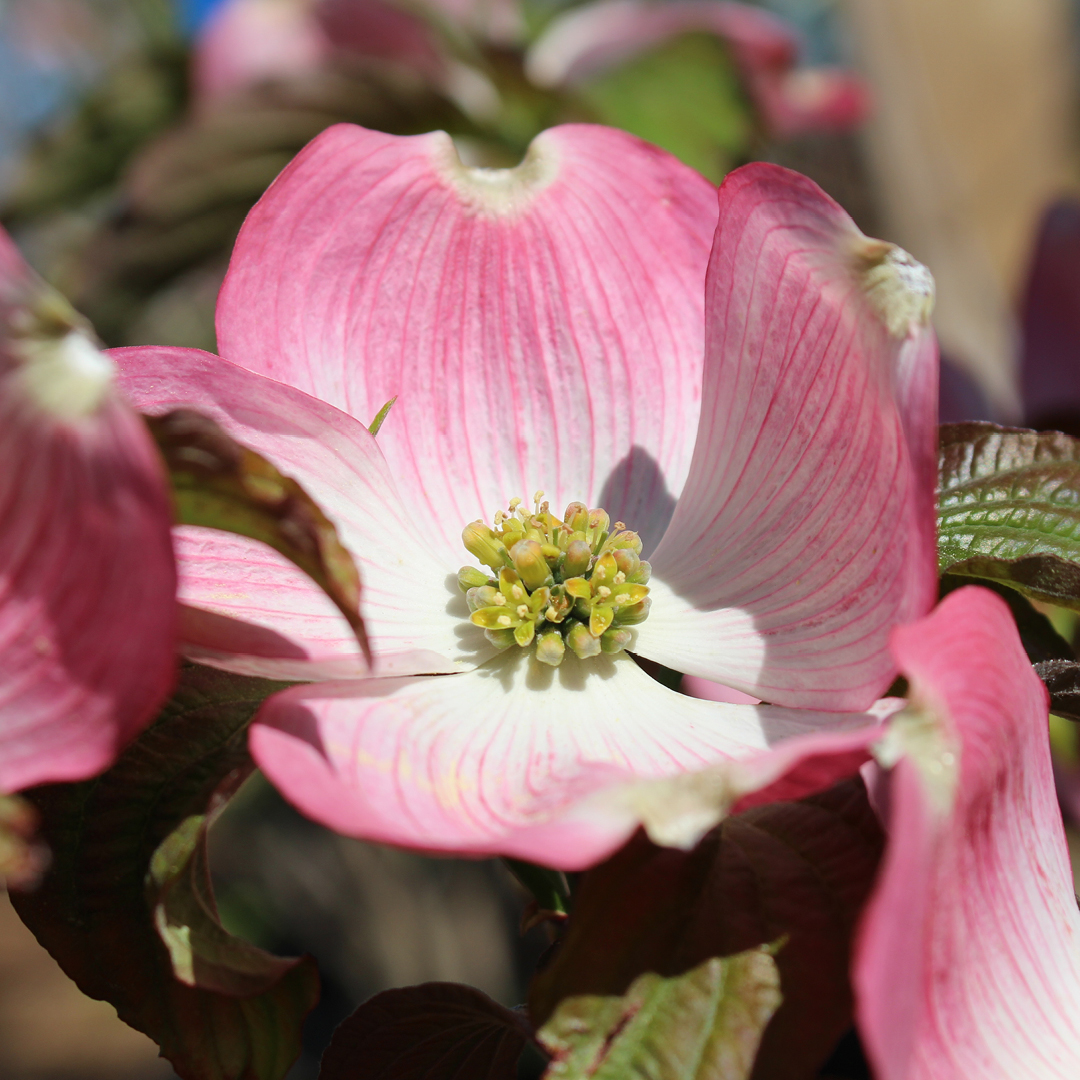
Flowering Trees – Dogwood, crabapple, redbud, and flowering cherry adapt beautifully in bare-root form. Their fine root systems establish quickly, helping them develop healthier branching and better bloom displays long-term.

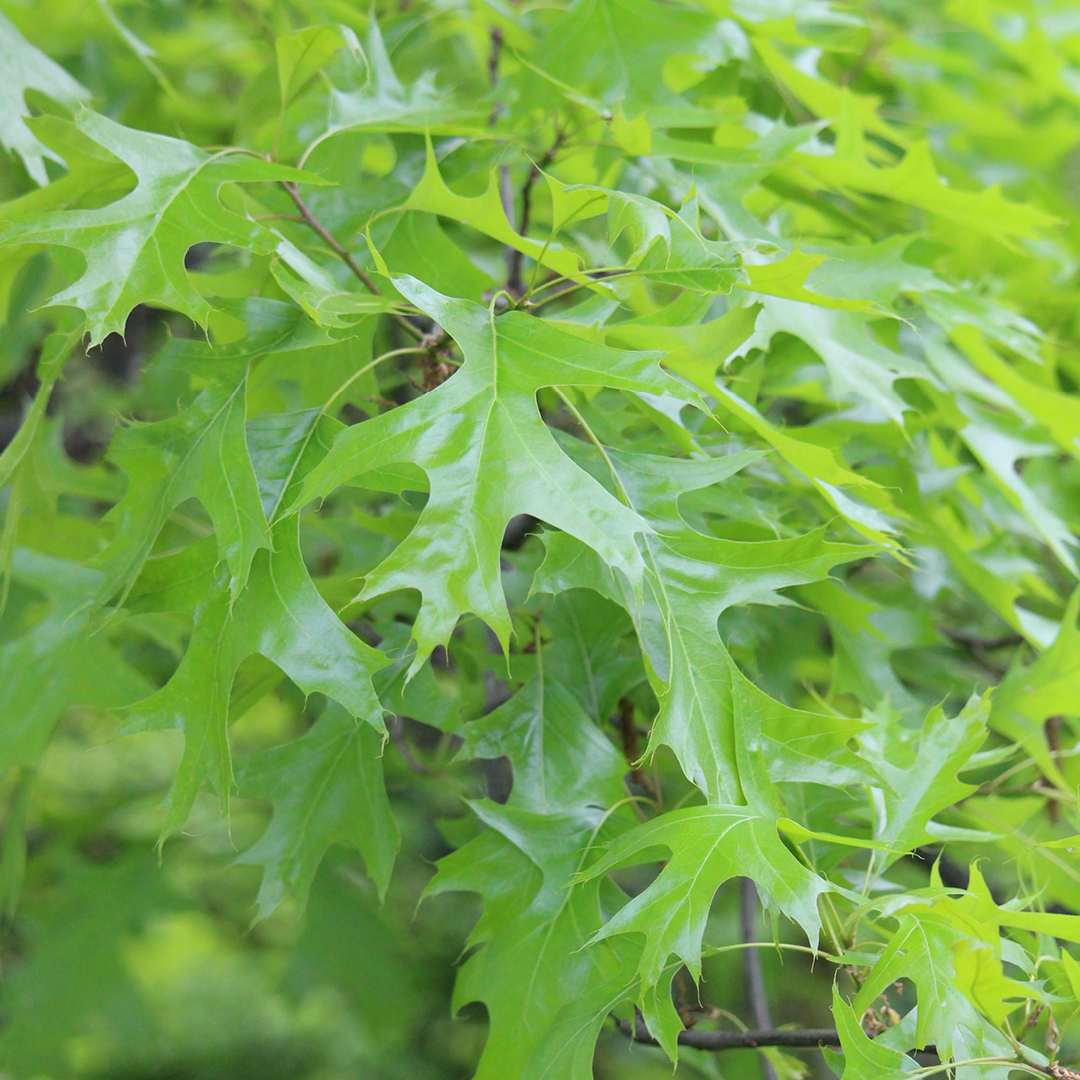
Shade Trees – Maple, oak, hackberry, linden, and elm often grow faster and straighter when planted bare-root. Early pruning for a strong central leader helps them mature into stable, structurally sound shade trees.

Evergreen Trees – Spruce, fir, and some pine species can be planted bare-root with success if roots remain moist and transplanting occurs early enough in the season to prevent moisture loss through their foliage.

Fruit Trees – Apple, pear, peach, plum, and cherry respond exceptionally well when planted bare-root. Because most are grafted, correct graft height is especially crucial for longevity and productivity. Young trees with trunks around 0.75″ diameter are easier to establish, while larger bare-root fruit trees require careful handling and attentive care.

 Bare-root trees offer an economical, lightweight, and highly effective option for early-season tree planting. With careful planting depth, graft union awareness, attention to tree size, proper root care, and consistent watering, these trees quickly develop into some of the healthiest and most resilient specimens in the landscape.

If you’re choosing varieties or gathering supplies, the team at D.R. Snell Nursery can help ensure you get the right tree, amendments, and tools for long-term success.

planting bare-root trees

How to Help Queen Bumblebees

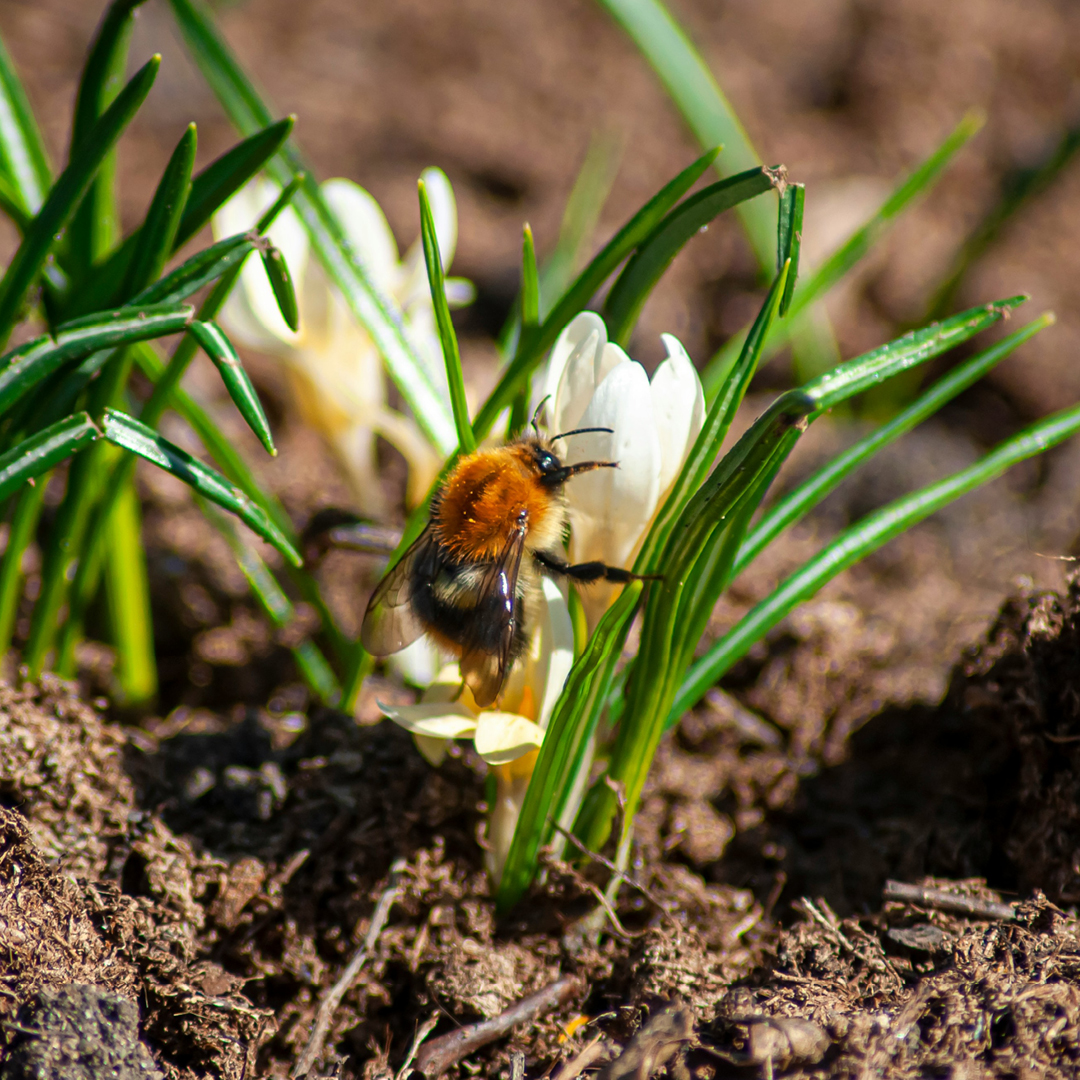
As winter fades, one of the first signs of spring isn’t just a blooming flower—it’s the emergence of a queen bumblebee. Unlike the worker bees you see later in the year, these queens are the sole founders of new colonies. Their survival in early spring is critical for pollinator health and biodiversity.Here is how you can support these vital pollinators in your garden.

Understand the Queen’s Journey

Bumblebee queens overwinter alone in small underground chambers. When they wake up, they are depleted and searching for three essentials:

  • High-energy food (nectar and pollen)
  • A safe place to nest
  • Shelter from fluctuating weather

Plant Early Bloomers

Because early spring flowers can be scarce, the queen is at her most vulnerable right now. You can increase her survival odds by planting early-blooming sources of nectar and pollen, such as:

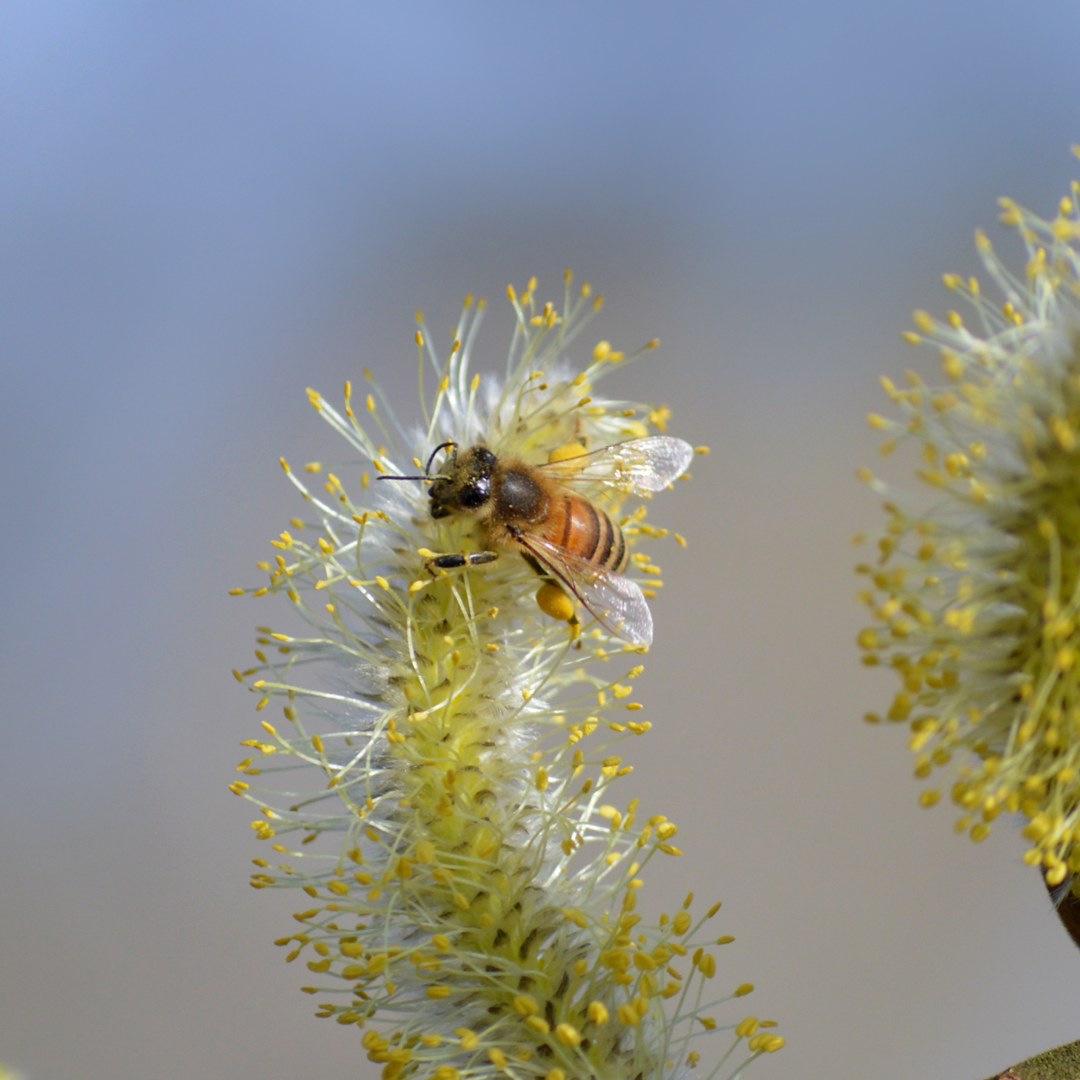
  • Trees & Shrubs: Willow, Red Maple, Serviceberry, Pussy Willow
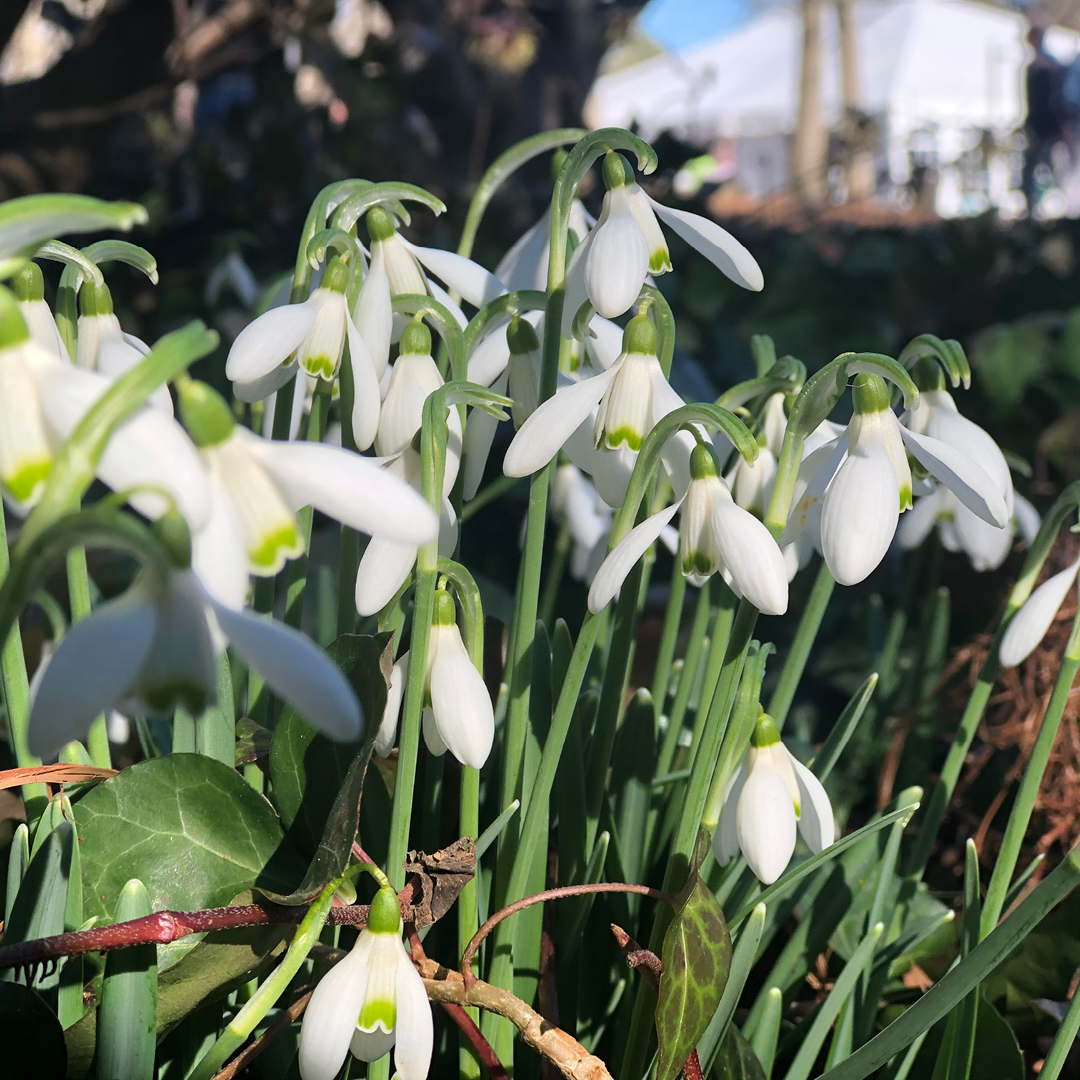
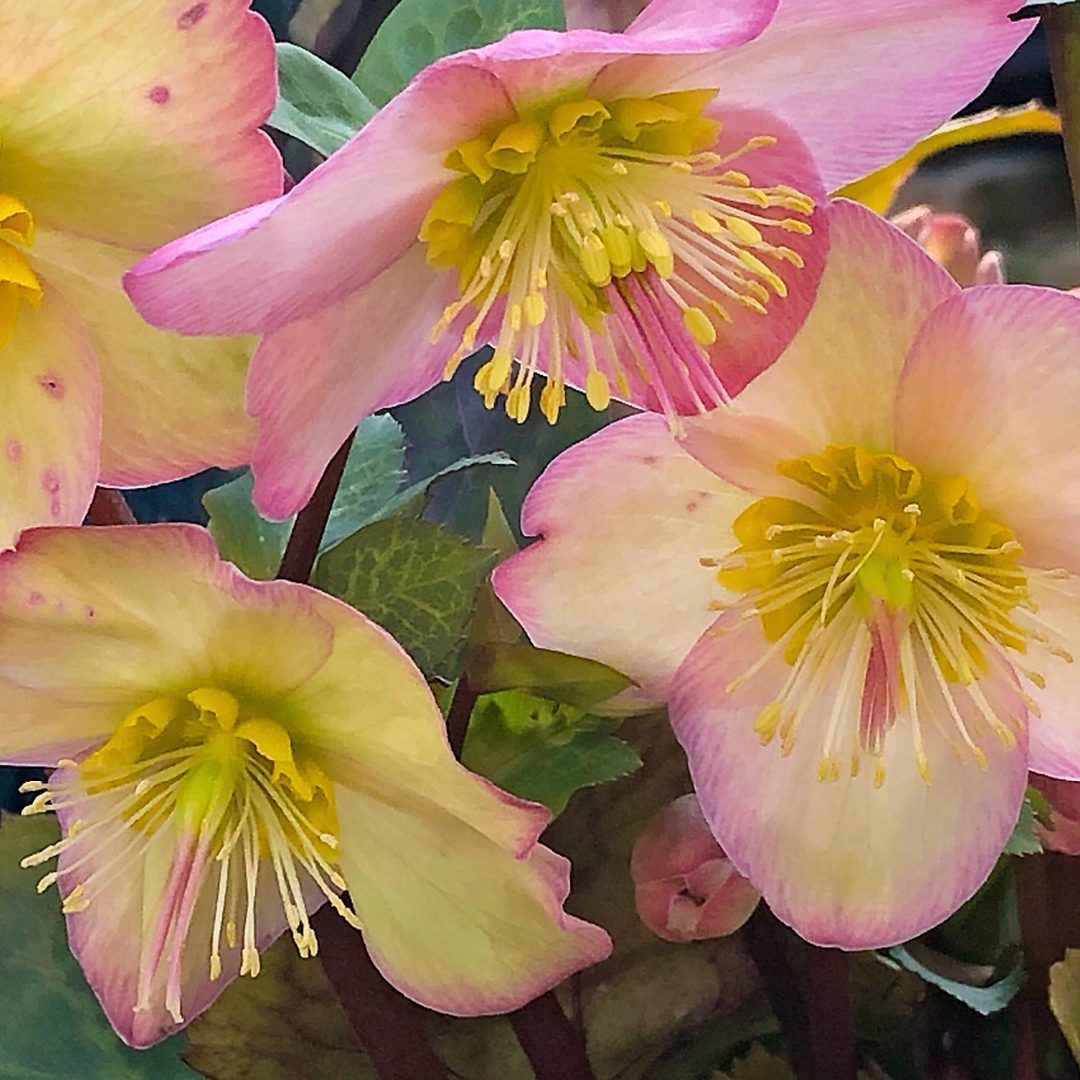
  • Perennials: Crocus, Hellebore, Snowdrop, Lungwort, Wild Blue Phlox

Delay Your Spring Cleanup

Sometimes the best way to help is to do nothing. Queens often hibernate beneath leaf litter and in shallow soil. To avoid disturbing them:

  • Wait to rake: Delay clearing leaves until temperatures remain consistently warm.
  • Avoid tilling: Do not dig deep in areas where bees were active last year.
  • Leave wild spaces: Keep small patches of brush and undisturbed soil.

Create Safe Nesting Sites

Bumblebees don’t use hives; they look for protected cavities. To encourage nesting in your garden, preserve natural features like:

  • Abandoned rodent burrows
  • Tall, clumping grasses
  • Brush piles and loose mulch

Avoid Harmful Chemicals

Early spring is the worst time for insecticides. Queens ingest chemicals from nectar, which can interfere with reproduction. Avoid systemic insecticides entirely and embrace a few “imperfect” plants—minor pest damage is a sign of a healthy, balanced ecosystem.

Provide a Water Source

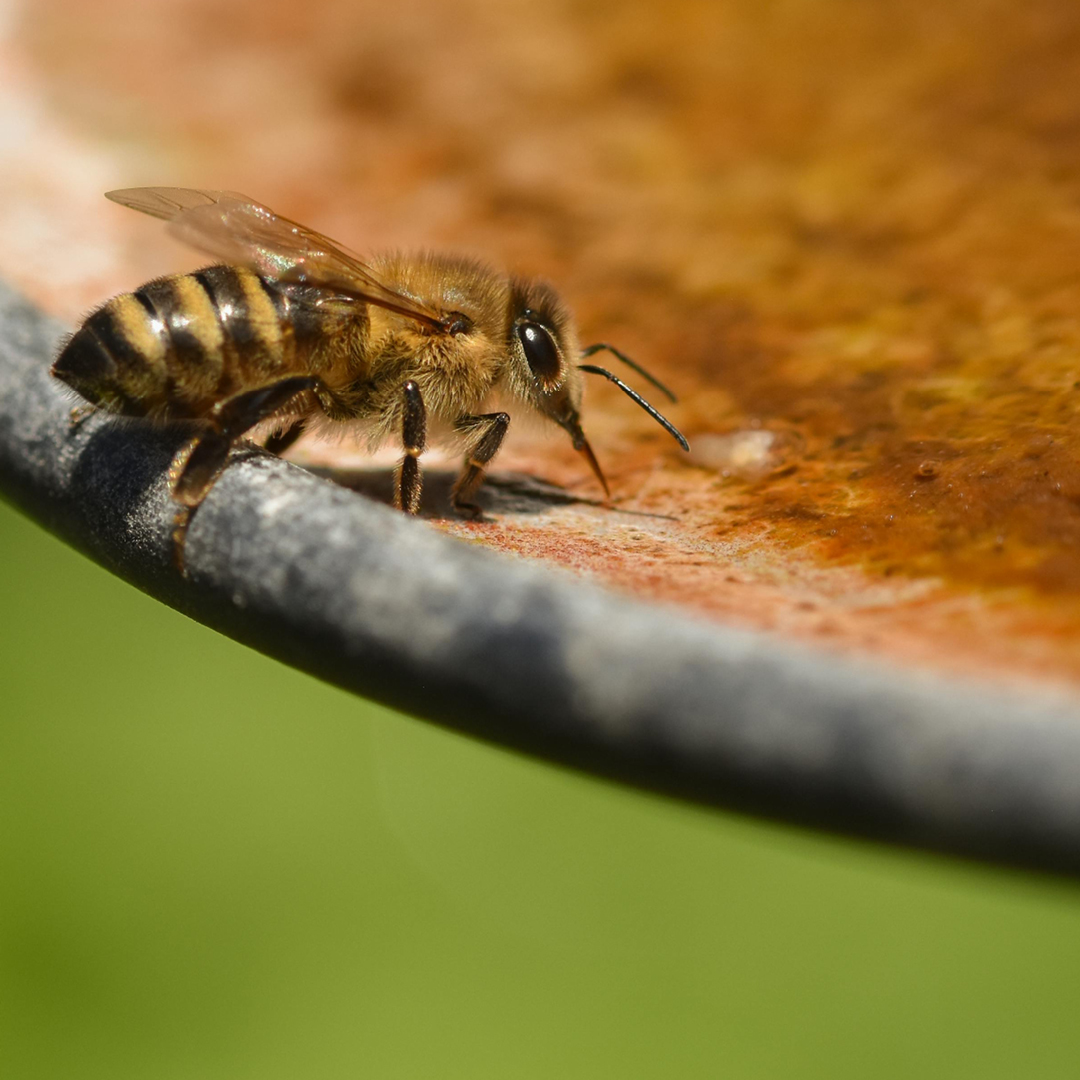
Hydration is key for colony construction. Set out a shallow dish with marbles or pebbles to give the bees a safe place to land and drink without drowning.

Monitor and Adjust

Spotting a low-flying, large bee searching for a nest site is a great sign that your landscape is waking up. By supporting just one queen, you are helping to produce hundreds of future pollinators.

Ready to start planting? Visit D.R. Snell Nursery today, and we can guide you toward the best early bloomers for a bee-friendly landscape.

help queen bumblebees

Early Native Perennials That Shine

Top Early-Blooming Native Perennials for Your Pollinator Garden

As winter fades and the days grow longer, the first hungry pollinators emerge in search of nectar. Unfortunately, many landscapes are still waking up, leaving a critical food gap for early-season bees and hummingbirds.

At D.R. Snell Nursery, we believe in gardening with a purpose. By incorporating early-blooming native perennials, you can provide essential resources for local wildlife while adding a splash of color to your spring landscape. Here are seven of our favorite “early risers” to get your garden buzzing.

7 Essential Early Natives

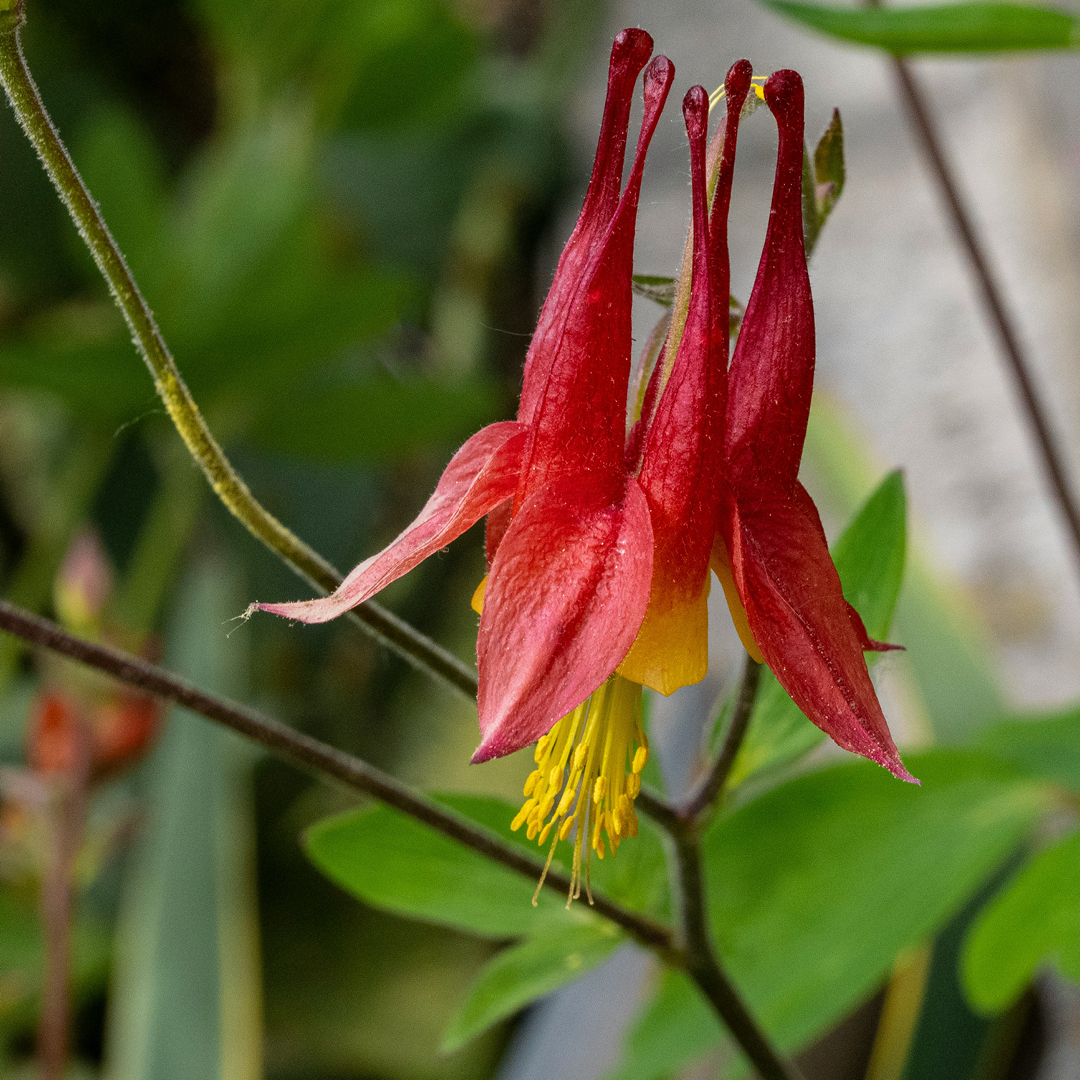
  • Wild Columbine (Aquilegia canadensis): Known for its nodding, lantern-like red and yellow blossoms, this woodland favorite is a magnet for returning hummingbirds. It thrives in part shade and blooms in late spring when few other sources are available.
  • Golden Alexander (Zizia aurea): This reliable perennial offers bright yellow umbels that attract small bees and wasps. It’s also a vital host plant for Black Swallowtail butterfly larvae, making it a dual-purpose powerhouse for your garden.
  • Virginia Bluebells (Mertensia virginica): A classic spring ephemeral, these stunning trumpet-shaped flowers transition from pink buds to brilliant blue blooms. They naturalize beautifully in moist, shaded areas, providing early nectar before fading back in summer.
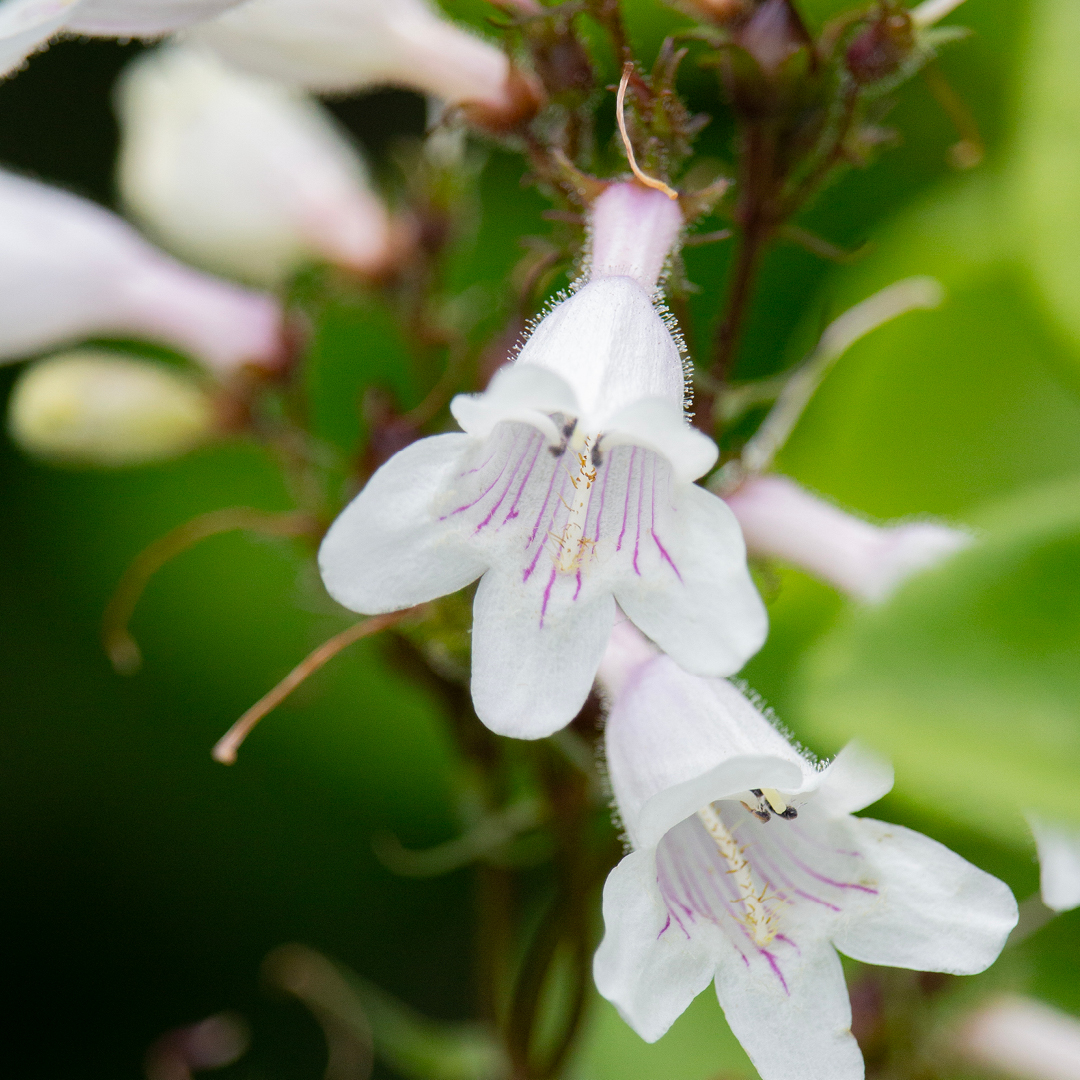
  • Foxglove Beardtongue (Penstemon digitalis): Adding upright structure to the garden, these white, tubular flowers are perfect for long-tongued bees. It’s highly adaptable, drought-tolerant, and supports specialist species like the Penstemon miner bee.
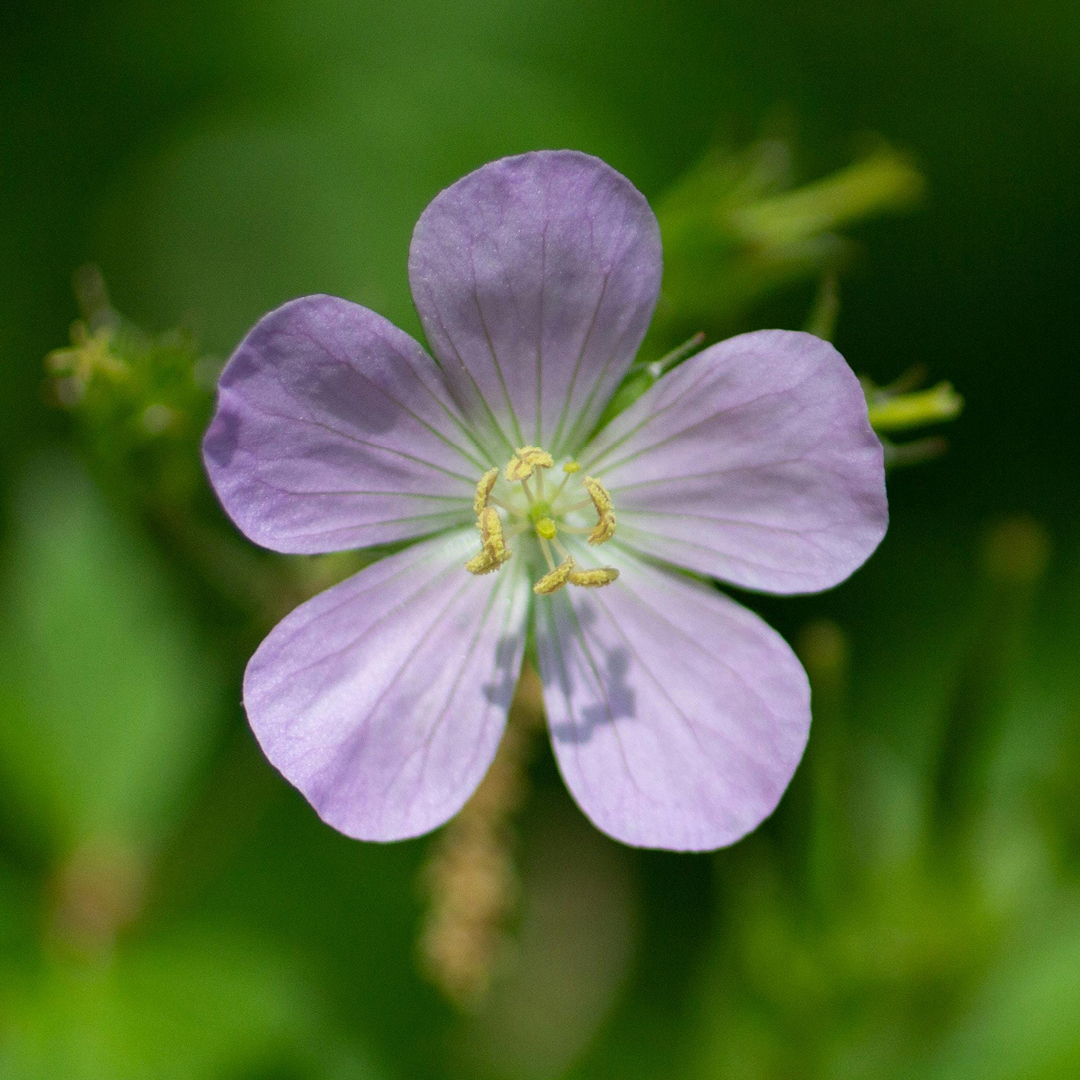
  • Wild Geranium (Geranium maculatum): One of the most reliable natives for shade, Wild Geranium produces soft lavender-pink blooms. It is an excellent nectar source for bumble bees and hoverflies in woodland settings.
  • Prairie Smoke (Geum triflorum): Famous for its pink, nodding flowers that turn into feathery seed plumes, this low-growing plant offers great texture. It provides early-season pollen for ground-nesting bees.
  • Foamflower (Tiarella cordifolia): With airy white flowers, Foamflower is an ideal ground cover for shady spots. It spreads gently and offers long-lasting blooms for hungry insects.

Design Tips for a Pollinator Haven

  • Plant in Drifts: Grouping at least 3–5 plants of the same species helps pollinators forage more efficiently than single, isolated plants.
  • Ensure Continuous Blooms: Pair these early bloomers with summer and fall favorites like Coneflower and Goldenrod to provide food all season long.
  • Leave the Leaves: Don’t be too tidy! Leaf litter and hollow stems provide essential nesting habitat for the insects you are trying to attract.

Start Your Season with Us!

Ready to transform your spring landscape into an ecological hub? Whether you are starting from scratch or filling in gaps, we are here to help. Visit D.R. Snell Nursery today to explore our selection of regionally appropriate native plants and get expert advice on the best species for your space.

early blooming native perennials

Secrets of Spring Bees

As the gray of winter finally starts to lift in March and April, there is a hidden world waking up right under our noses. While we might be eager to get outside and scrub the garden clean, the landscape is busy preparing for one of the most magical events of the year: the return of our native pollinators.

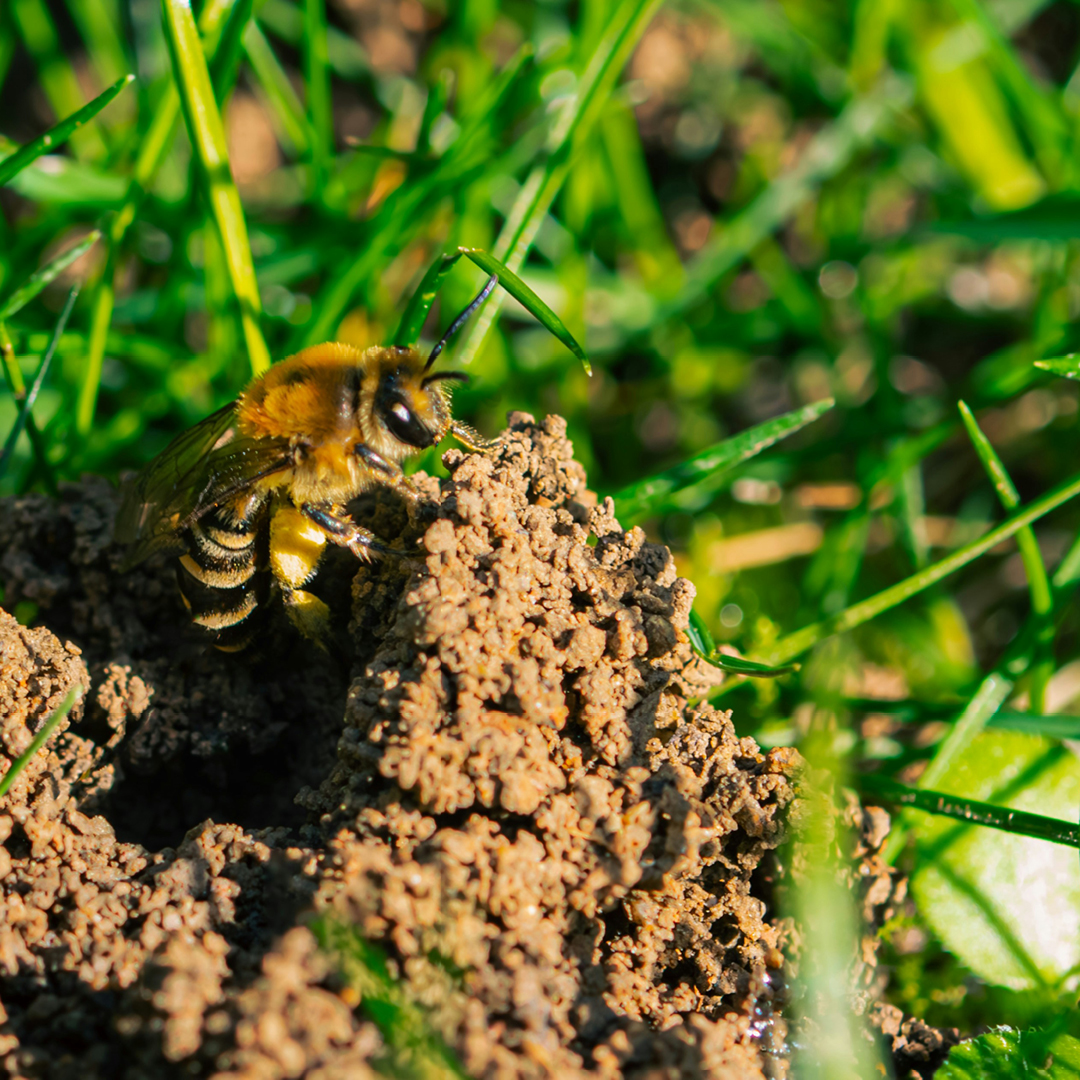
Deep inside hollow stems, tucked under layers of wet leaves, and buried in soil cavities, countless native bees are waiting. They are waiting for the sun to stick around and the warmth to settle in before they emerge to feed, pollinate, and build their nests.

So, how do we welcome these vital guests? Surprisingly, the best thing you can do right now is often nothing at all. Here is how you can transform your yard into a safe haven for pollinators this spring.

Master the Art of Being Messy

It is tempting to grab the rake the moment the snow melts, but patience is a virtue here. Native bees do not all wake up at once; many hit the snooze button until daytime temperatures are consistently above 50°F.

  • Leave the leaves: Hold off on raking or blowing leaves until the weather is consistently warm. Those piles are often blankets for sleeping larvae.
  • Save the stems: Keep your hollow perennial stems standing at about 8–18 inches tall. These are natural hotels for cavity-nesting bees.
  • Keep the seed heads: Avoid removing last year’s growth too early, as it provides shelter in unpredictable spring weather.

Serve the First Meal

When bees finally emerge, they have burned through their winter energy reserves and are essentially running on fumes. They need high-quality fuel immediately. Early-blooming plants are their lifeline. Consider adding these Zone-appropriate favorites to your landscape:

  • Trees and Shrubs: Witch Hazel, Red Maple, Serviceberry, and Pussy Willow offer massive amounts of pollen.
  • Flowers: Hellebore, Bloodroot, Crocus, Snowdrop, and Hepatica provide accessible nectar.

The Ground Beneath Your Feet

Unlike the honeybees we often see in cartoons, most native bees are solitary and don’t live in hives. Many of them actually live underground. To support them, you need to rethink your mulch strategy.

  • Leave it bare: Try to leave some patches of soil free of mulch. Ground-nesting bees need access to the dirt to dig their tunnels.
  • No tilling: Avoid tilling your garden beds during this season, as you might disturb resting bees.
  • Create a wild corner: Set aside a hidden spot in the yard where you do minimal cleanup and leave natural debris.

Create a Safe Zone

Nothing ruins a welcome party like toxic chemicals. Synthetic pesticides and systemic insecticides can linger in the ecosystem and harm bees before flowers even bloom.

  • Skip the spray: Avoid neonicotinoids or products labeled as systemic.
  • Trust nature: Encourage a balance of beneficial insects to handle pests naturally rather than reaching for the spray bottle.

The Watering Hole

Bees work hard and need hydration to sustain energy, build nests, and regulate their body temperature. However, they are not great swimmers.

  • Shallow is best: Use a shallow dish or saucer filled with water.
  • Add landing pads: Place stones or marbles in the water so the bees have a safe place to land and drink without drowning.

Plan for the Long Haul

While spring is crucial, your garden needs to be a reliable food source until the first frost of autumn. Aim to have at least three different pollinator-friendly plants blooming in every season. This ensures that as one flower fades, another opens, providing a continuous buffet for your buzzing visitors.

Watch and Learn

This spring, turn your garden into a living classroom. Keep an eye out for the first sightings of bees and watch which plants they flock to. Observing these patterns will help you make better planting choices for next year.

If you are ready to start but aren’t sure which early bloomers are right for your specific soil or light conditions, come chat with us. The team at D.R. Snell Nursery is here to help you cultivate a space where nature can thrive.

Spring Bees, Native Pollinators

April Garden Checklist: Spring Awakening

April feels like a promise kept. The long, gray slumber of winter is finally breaking, replaced by the scent of thawing earth and the sight of green shoots pushing bravely through the soil. It is a time of transition, where we pivot from the quiet of winter into the vibrant momentum of the growing season.

This month is all about balance—nurturing the new growth while preparing for the abundance of summer. Whether you are eager to get your hands dirty or simply planning your landscape’s comeback, use this guide to breathe life back into your garden.

  • Heal Winter Wounds
    Take a walk through your garden and inspect your trees, shrubs, and perennials. Winter can be harsh, leaving behind broken branches or frost-nipped stems. Gently prune away this damage to prevent disease and clear the path for healthy new growth. Think of it as a little spring cleaning for your plants.
  • Feed Your Hungry Plants
    As your garden wakes up, it will be hungry. Apply a balanced, slow-release fertilizer to your shrubs and perennials to give them the energy they need for the season ahead. For your vegetable patch, mixing in compost or a starter fertilizer now will give your seedlings a strong foundation. Just be careful not to overdo it; follow the label to keep your plants happy.
  • Sow Your Salad Greens
    One of the joys of April is planting cool-weather crops. The soil is cool but workable, making it perfect for direct-sowing peas, spinach, lettuce, and radishes. If the ground is still a bit soggy from spring rains, wait a few days until it dries out slightly to prevent seed rot.
  • Divide and Conquer
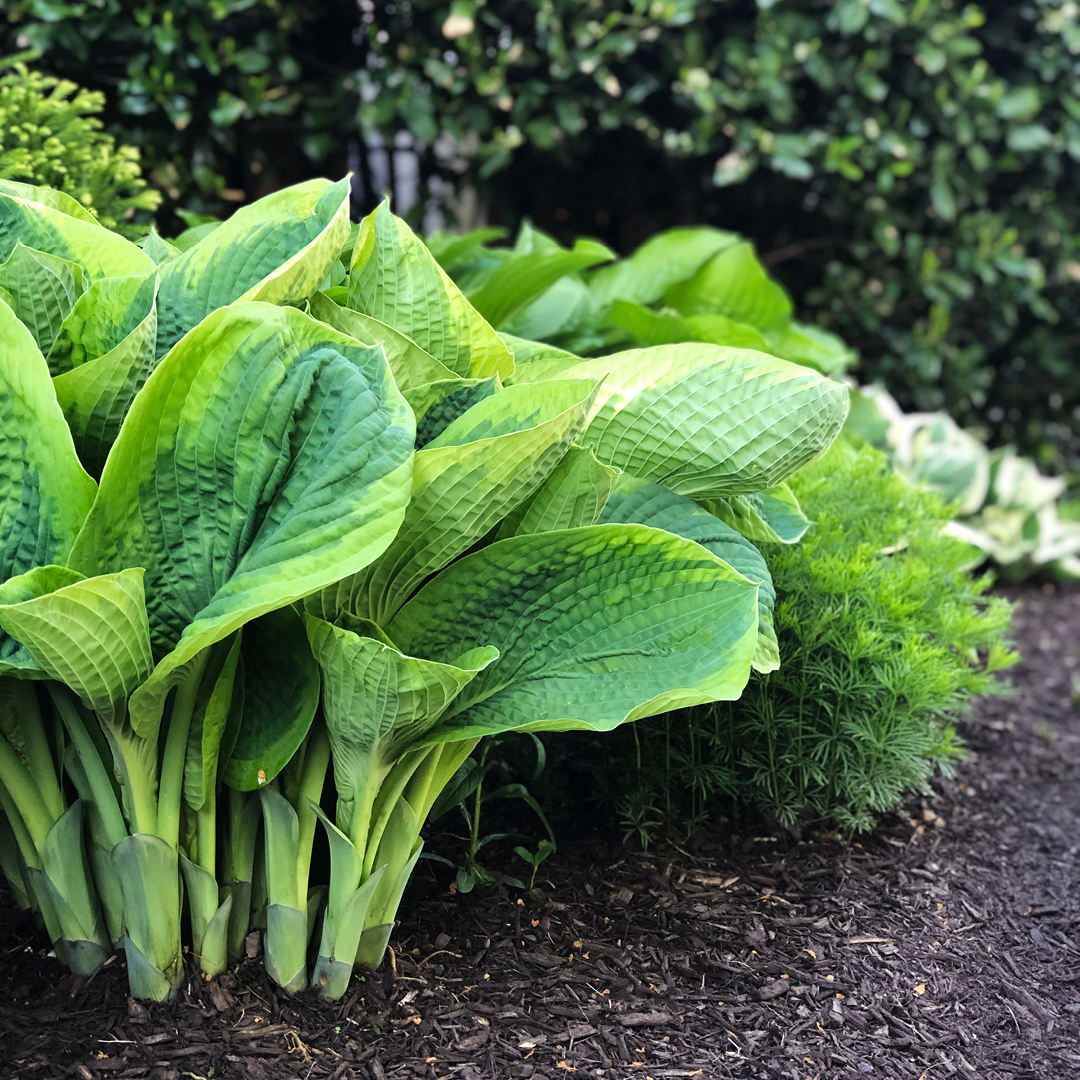
    Perennials like hostas, daylilies, ornamental grasses, salvia, and catmint are incredibly generous, often growing larger than their space allows. April is the perfect time to dig them up and divide them before they get too big. It is a great way to invigorate the plants and get “free” additions for other parts of your garden.
  • Master the Mulch
    Weeds are opportunistic, and they love bare soil. Get ahead of them by replenishing mulch around your garden beds and trees. Not only does this suppress weeds, but it also locks in moisture and keeps the soil temperature stable for delicate roots. A little hand-weeding now saves hours of work later in the summer.
  • Welcome the Early Pollinators
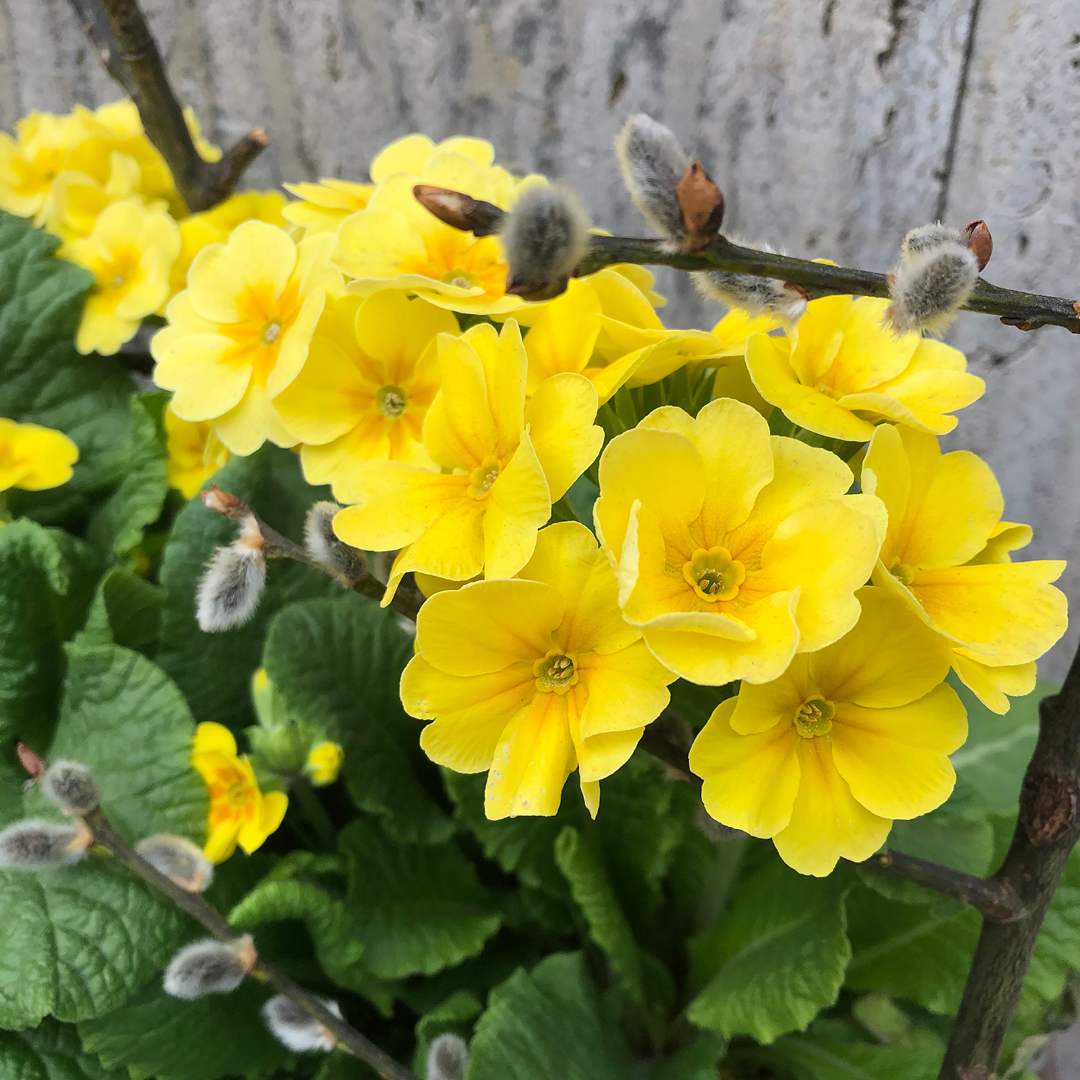
    As the temperature climbs, you might spot bumblebees and solitary bees looking for their first meal. Help them out by planting early-blooming favorites such as crocuses, hellebores, and primroses. They provide essential nectar when food sources are scarce.
  • Prune with Purpose
    Continue to shape your summer-blooming shrubs to encourage better air circulation and stronger stems. However, hold off on pruning spring favorites like lilacs or forsythia until after they have finished blooming, or you risk cutting off this year’s flowers.
  • Acclimate Your Transplants
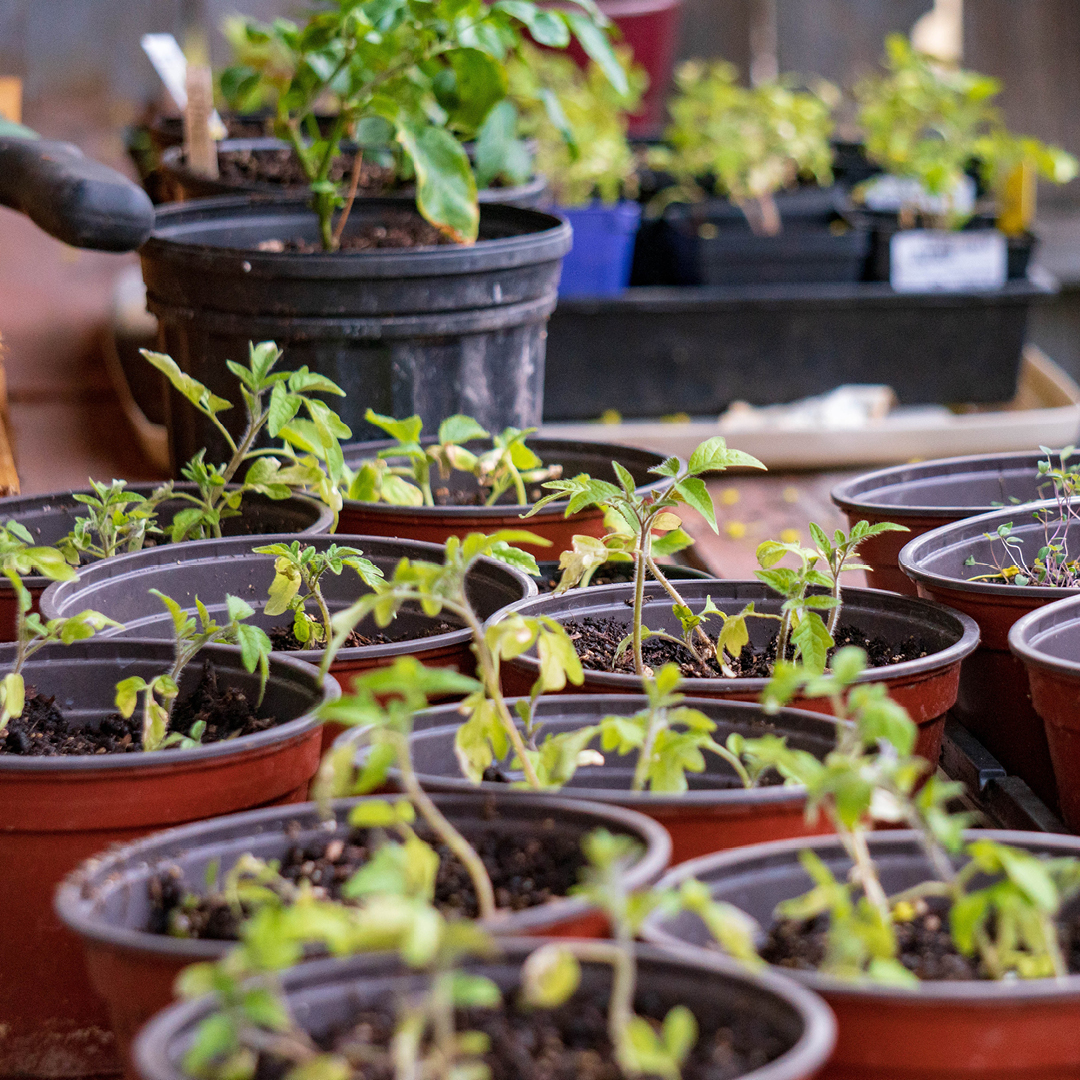
    If you started tomatoes or peppers indoors, they aren’t quite ready for the great outdoors just yet. Begin the process of “hardening off” by placing them outside in a sheltered spot for a few hours each day, gradually increasing their exposure. This toughens them up so they don’t go into shock when they are finally planted.
  • Check Your Water Systems
    Before the heat sets in, inspect your hoses, sprinklers, and rain barrels. Winter freezes can cause cracks or leaks that you don’t want to discover during a dry spell. Ensure everything is watertight and ready to go.
  • Visit D.R. Snell Nursery
    Sometimes you need the right tool—or just a bit of inspiration—to get started. Stop by to explore our selection of seeds, soil amendments, and seasonal plants. Our team is here to guide you on timing and selection to ensure your garden thrives this season.

April sets the tone for everything that follows. By tackling these tasks now, you are building a foundation for a landscape that is healthy, resilient, and bursting with life.

April Garden Essentials