
Monthly Archives: July 2026

Basil: King of the Herbs

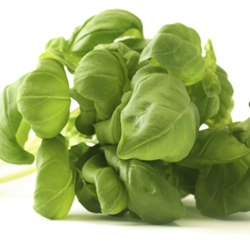
It’s edible, a member of the mint family and ornamental. Grown for over 5,000 years, it flavors foods around the world and is well-known in many household kitchens… Have you guessed yet?

Of course, it’s BASIL!

A flavorful ingredient of foods from Italy to India and Thailand and America, basil adds flavor and flair to any recipe. Add fresh or dried basil just before serving for the most intense flavor. However, the kitchen isn’t the only place it reigns as king… Give it a throne in your garden, too!

Growing Basil

Like other mints, basil is easy to grow. Choose young, bushy, compact plants that show no signs of diseases or pests. Plant in full or partial sun, in well-draining soil and provide adequate moisture. As an annual, it’s also easy to grow from seed, just follow the package instructions.

The most difficult decision about basil is deciding which basil you want to grow and eat. The basil family, Basilicum, has a natural variety of colors, growth shapes and fragrances. Plant breeders complicated the decision by creating over 30 hybrids commonly used today.

For ornamental gardening use, four “shapes” are commonly available. All are deliciously edible.

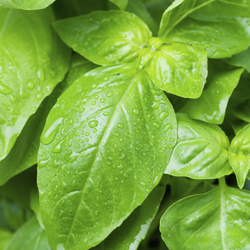
  • Sweet Green Basil: 2′ tall, with large leaves and white flower spikes. The clove/anise taste is typical of many types of basil. Others in this group include lettuce-leaf, Genovese, Thai (spicy) and the intensely fragrant and flavored Siam queen.
  • Dwarf Basil: Up to 12″ tall, small leaves, white flowers. This group includes well known Spicy Globe and Boxwood basil (perfect edging plants due to rounded growth) and Green Bouquet.
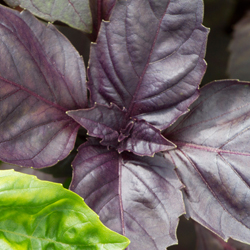
  • Purple-Leafed Basil: Favorite varieties include Dark Opal, Purple Ruffle and Red Rubin, all with “fancy” leaves, very aromatic, with pink to lavender-purple flowers.
  • Scented-Leaf Basils: This group includes varieties of stronger aromas. Lemon basil (gray green leaves, white flowers) is aptly named as are cinnamon basil (dark pink flowers), and anise basil (blue purple flowers).

Basil, especially the purple-leafed, is wonderful in containers. Design as you would with any ornamental. Don’t overlook the value of placing a container near the BBQ and kitchen for easy use while cooking. It’s said that planting basil, especially aromatic varieties, around the patio or deck will deter flies… It certainly can’t hurt!

Enjoying Basil

Used throughout the world with different regional foods, basil truly reigns in many different cultures and cuisines. Although pesto is probably one of the best-known uses here in the United States, basil is great in soups, sauces, pastas or in salads, vegetables and martinis. Remember to harvest before flowering for the best flavor. This also keeps the plant bushy and compact. Simply cut the entire stem just above a pair of leaves to promote new shoots. If you plan to use some leaves as garnish, cut with scissors to reduce bruising. Store unused basil in the refrigerator to retain its flavor and freshness.

Extra basil can easily be dried for future use. Cut the plant at ground level, hang upside down in an airy room and let dry. After it’s fully dry, remove the leaves from stems and store in airtight jars away from direct light.

Benefits of Basil

Did you know using basil is also very good for you? For many reasons basil is called the “holy herb” in other cultures. Research now shows it has strong anti-oxidant, anti-inflammatory and anti-bacterial qualities. Additionally, it is rich in essential nutrients, minerals and vitamins including beta-carotene, vitamins A and K and iron. Need we say more? Add basil to your healthy, delicious diet today!
Save

Think Outside the Window Box

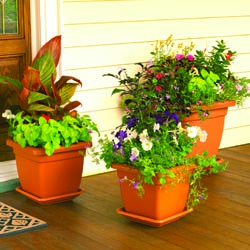
Do you want to add more plants to your yard but think you’re out of space for any more gardening? No matter how large or small your outdoor living area, no matter what types of plants you favor, you can always find the space for a new garden when it’s housed in a container – and that container doesn’t have to be the same old window box or boring planter.

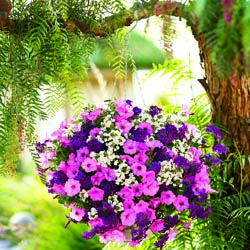
Whether you choose to feature your container gardening efforts sitting on the floor, deck, stairs, path or patio, or you prefer a delicate garden suspended in a basket from an arbor, pergola, archway or hook, we’ve got the container selections that will suit your taste and your lifestyle. Not sure what your preferences are? We can help you discover you best container garden design look! Choose from our great selection of…

  • Hanging Baskets – Choose from willow, moss, wire, cocoa, resin wicker weave or rope weave baskets in different sizes, colors and styles. We also carry self-watering hanging planters and pots in several different sizes, colors and designs to suit your needs and style preferences, and to blend well into your other garden décor and accents.
  • Pots – Shop our extensive line of hand-crafted and manufactured pottery from around the world – Italy, Malaysia, China, etc. – with unique and stunning designs and colors. Choose from a selection of clay, plastic, fiberglass, cement, tin or resin pots in various themes as well as designer and lightweight insulating pottery.
  • Planters – Choose from our lined hayracks, cradle planters (also lined), railing, fence and deck planters as well as pot trellises and obelisks to add interesting structure and layers to different containers in your yard. Many different sizes are available to suit all your planting needs.
  • Accessories – To coordinate your décor efforts even among different pots or planters, we have saucers, caddies, plant stands and brackets, hangers, chains and s-hooks for both indoor and outdoor use so your plants are always displayed to their best advantage. Not sure what you need to give your planter the best support? We’ll help you choose the smartest and safest option.

Stop by and take a look for yourself – we’re sure that you will find a container that holds your interest as well as your plants. And, of course, we also carry window boxes in different sizes, styles and designs, if you still prefer that traditional, classic look!

AA014569

thinkoutside3

thinkoutside1

Dealing With Drought

Because plants require moisture to grow and thrive, your garden will probably suffer during periods of low rainfall and intense heat. Insufficient soil moisture will result in smaller flowers and fruit, stunted plant growth, decreased root development and increased plant disease and insect damage. Fortunately, there are many things that you can do to minimize the impact of drought on your garden.

Save Your Soil

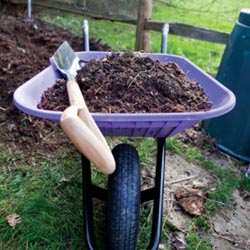
Soil is like a sponge that holds and releases all the ingredients that your plants need to survive. Soils that drains quickly, such as sandy or rocky soil, will speed up and increase the effects of drought as water flows away from plant roots. The best way to correct this problem is to amend your soil with organic matter. Amending your soil adds to its moisture retaining ability, adds nutrients essential for plant health and increases soil aeration for ease of root growth. Good choices include:

  • compost
  • composted manure
  • composted or shredded leaf litter
  • mushroom soil
  • dried grass clippings
  • earthworm castings

First, amend soil immediately around plants, in landscaping beds and in the garden, but aim to amend all your soil and lawn eventually to improve its condition and drought-resistance.

Choose Drought-Tolerant Plants

Drought-tolerant plants are adapted to grow well in regions of low rainfall. These plants require minimal water to survive. When planting, try to group plants with the same water requirements together in an area best suited to their tolerance. Plants best adapted to dry conditions include:

  • locally native plants
  • plants with deep taproots
  • plants covered with hair
  • tiny leaved plants
  • succulents and cacti

Swapping out just a few water-hogging plants for more drought-tolerant options in your landscape can have a remarkable impact on saving water and still having a lush garden.

Use Drought-Friendly Watering Techniques

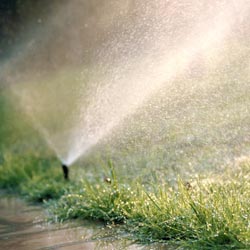
During a drought, you will need to water your garden, flowerbeds and lawn more thoughtfully to keep them well-watered but without waste or excess evaporation. The best way to water a garden is by drip irrigation or a soaker hose. Soaker hoses allow deep watering without runoff. Moisture goes directly into the soil where every precious drop can be absorbed by plant roots. With conventional overhead watering methods, about 35 percent of the water used is wasted due to evaporation. Time saving tip: Install a timing device with a moisture sensor to automatically turn your irrigation system on and off as required relative to any rainfall.

Sprinklers should be used primarily for lawns. Newly seeded or sodded areas must be watered daily during the summer months until established, then frequently through the first growing season. Rain gauges are good for checking the amount of rainfall or for sprinkler placement. Lawn Tip: Do not cut lawns shorter than 3” in the summer. This will shade the soil surface to allow the soil to remain cooler. Also, use a mulching mower to return moist clippings to the soil.

Containers and hanging baskets should be checked for watering every day. Watering wands are used for watering containers and hanging baskets, as they give a gentle spray without splashing the soil. Container Tip: When planting your pots and hanging baskets, incorporate moisture retaining polymers into the soil. When the soil starts to dry it will pull from this reserve.

Make Use of Mulch

After watering, you will want to conserve as much soil moisture as possible. Place at least 2-4 inches of mulch on the soil surface in the planting bed. Mulches help prevent soil moisture evaporation and reduce surface runoff, as well as minimizing weeds that would compete for any available moisture. Ideal mulches include:

  • wood chips
  • shredded bark
  • pine needles
  • grass clippings
  • decorative rocks
  • synthetic mulches

With some thoughtfulness about your plants’ watering needs and how to meet those needs, it’s easy to deal with drought conditions without sacrificing your plants.

Drought_4Drought_2

Drought_3

What to Do During a Drought

Dire warnings about drought conditions can worry even experienced gardeners, but there are easy ways to save water and save your trees, flowers, vegetable patches, herb gardens and decorative landscaping at the same time.

  • Spray Trees & Shrubs With an Anti-Transpirant
    If pruning, only remove dead material from trees and shrubs, anything more will encourage new growth. This takes energy that a drought-stressed plant cannot afford. Instead, spray leaves with an anti-transpirant or anti-dessicant to help leaves retain what moisture they have.
  • Water Early
    Morning temperatures are cooler and the sun is not as intense as later in the day so there is less moisture loss due to evaporation. Also, water sitting on foliage will have a chance to dry during the day minimizing the chance of fungal infection, especially during humid weather.
  • Water Slowly & Deeply
    Watering slowly will allow the moisture to penetrate more deeply into the root zone rather than running off the soil surface. Create depressions or water traps around larger plants to hold the water where you want it until it can saturate the soil. Remember to water trees at the drip line, not at the trunk base, as this is where the roots are most active. Drip irrigation bags are excellent for watering newly planted trees.
  • Thoughtfully Add to Landscaping
    If you are adding to your landscaping during a drought, choose water-wise, drought-resistant plants or consider xeriscaping techniques that minimize water use. Native plants, succulents and cacti are all great choices and require minimal water. In very severe drought conditions, it may be best to not replace plants, at least until watering conditions improve.
  • Water the Soil, Not the Leaves
    Plants take up water through their roots. Water landing on the foliage will be lost due to evaporation. The more water you direct to the soil, the less you will waste – drip systems and soaker hoses are ideal options. The key is infrequent but heavy watering rather than lighter, more frequent watering. This encourages deep root growth, which increases drought tolerance.
  • Conserve Precious Water
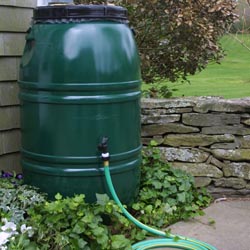
    Place a rain barrel under downspouts to collect rainwater. Wash the car on the lawn rather than on the driveway. Reuse “gray water” such as bathtub or dishwater and rinse cycle water from your laundry to water your garden. Collect the drip water from an air conditioner (may produce up to 5 gallons in 24 hours) for watering. Replace leaky hoses and sprinklers and use washers to correct leaks at fittings. Shorten showers, turn off the faucet when brushing your teeth and take other steps in the home to reduce water use so more is available for landscaping needs.

No matter how severe a drought or how low water supplies may be, there are ways you can deal with it and still keep your landscaping well cared for.

Drought_5Drought_1

Bringing Butterflies to the Backyard

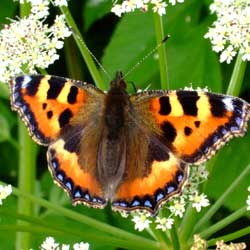
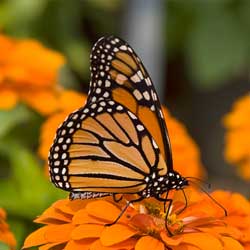
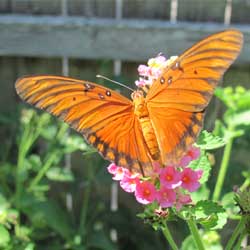
In spring, female butterflies will be mostly concerned with finding their species’ specific host plants on which to lay fertilized eggs. Instinctively, they know they must find plants to ensure that their caterpillars will have appropriate food for survival after hatching. Both male and female butterflies will be looking for flowers with nectar for their own survival. And, they will be searching for shelter from rainy or windy weather, a sunny place for basking, and a source of water. Because many natural butterfly habitats in North America are disappearing at an alarming rate, it is becoming increasingly difficult for butterflies to find these necessities of life.

Starting a butterfly garden can be simple and rewarding if you follow these pointers. The most important thing you can do as a gardener is to plant both nectar and host plants in your garden. Providing host plants for caterpillars to feed on, will allow you to watch the metamorphosis from caterpillar to chrysalis to butterfly. So, do not discourage caterpillars. They may make your garden plants look bad but it’s usually only temporary. Most important – do not use pesticides! You may be killing off the very insects you made the garden for. And, you don’t have to have a large area to get a response. Just a few select plants will spur some action. Choose the sunniest spot possible for your butterfly garden. It could be any size or shape; even a short border will work. A combination of woody shrubs, perennials and annual flowers works best, but using just a couple of plants can still yield results. Planting a section of wildflowers is an easy way to cover a problem area and lure some butterflies to your yard. If you don’t have the room for a garden, fuchsia, petunia or impatiens hanging baskets will attract butterflies as well as hummingbirds.

The following is a list of plants that attract butterflies:

Woody shrubs:

  • Glossy Abelia
  • Butterfly Bush
  • Japanese Privet
  • Honeysuckle
  • Weigela
  • Spiraea
  • Lilac
  • Deutzia
  • Trumpet vine

Perennials:

  • Achillea (Yarrow)
  • Butterfly Weed
  • Aster
  • Shasta Daisy
  • Cosmos
  • Carnation
  • Coneflower
  • Joe-Pye weed
  • Sunflower

Annuals and Tender

Perennials:

  • Heliotrope
  • Lantana
  • Rosemary
  • Marigolds
  • Petunias
  • Geraniums
  • Snapdragons
  • Portulaca
  • Zinnias
  • Allysum
  • Fucshia
  • Vinca
  • Balsam
  • Dahlia
  • Impatiens
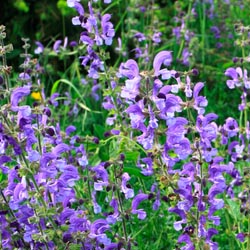
  • Salvia
  • Verbena
backyard-butterfly-1

backyard-butterfly-2

backyard-butterfly-3

Less Pain, More Gain: Ergonomics in the Garden

Merriam-Webster defines ergonomics as: An applied science concerned with designing and arranging things people use so that the people and things interact most efficiently and safely. Experts in ergonomics strive to design and produce items that better match the capabilities, limitations and needs of the people who use them. The result is a safer product that causes less fatigue and stress on the body, while still allowing you to perform the same functions as with regular tools or items.

How Gardening Can Hurt Your Body

Repetitive gardening activities can put you at risk for carpal tunnel syndrome and tendonitis, and can exacerbate other conditions such as arthritis, sciatica and other aches and pains. Poor movement or sudden strains can pull muscles or pinch nerves, which can lead to days or weeks of recovery, doctor appointments, tests, medications and other treatments. Even worse movements could lead to more severe injuries, falls or sprains which could cause you to miss out on a gardening season altogether. Listen to your body – if a movement hurts, change what you are doing and the tools you are using.

Ergonomic Garden Tools

Before purchasing the tools required to perform your garden chores it is best to choose those that fit the job – weeding, pruning, digging, trimming, harvesting, raking, etc. It is equally important, however, that the tools fit you as well – your size, your grip, your posture and your preferences.

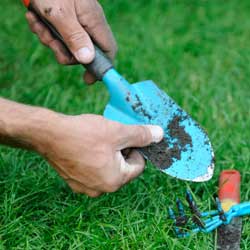
Ergonomic tools will help you accomplish different garden tasks with greater efficiency and reduced effort, force, bending, leaning or twisting. With the correct tools you will be able to dig, trim and cut more, in less time, with less effort and more gardening enjoyment. Some ergonomic tools may look no different than the familiar tools you’ve been using for years, but they may be made of different materials to be lighter or stronger. There may be angle or length changes in handles to allow for easier use, or handles may be cushioned to provide firmer grips without causing pain or fatigue. Some tools, such as portable stools or combined tools that include buckets as well as a seat or kneeling pad, help make gardening chores more accessible and comfortable as well.

Ask one of our employees for their assistance in making your garden equipment choices. We carry a wide selection of ergonomic garden tools and are happy to help you choose the right device, size and style for you to accomplish your gardening chores safely and pain free.

ergo-1

ergo-2

Adding Nighttime Garden Accessories & Accents

You can enjoy much more than plants in your garden every evening and into the night, and in fact the right accessories can beautifully enhance your garden even as twilight falls. Consider these stunning accessories and accents to turn your daytime garden into a nighttime paradise.

Wind Chimes

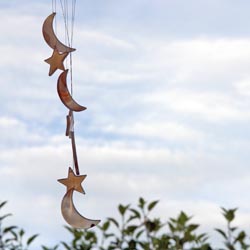
Let gentle evening summer breezes play soothing sounds in your garden or patio. Choose from Bamboo styles or traditional wind chimes, and try different sizes and styles to find the tinkling tones you like best. Avoid using too many wind chimes, however, as different styles can have contrasting tones that may clash with one another rather than create a soothing melody.

Candleholders, Lanterns & Torches

Light up the night with lovely candleholders, lanterns and decorative torches to keep your summer evenings long and bright. Place appropriate lighting along pathways, deck edges and stairs to safely illuminate gathering areas, or use spotlights to create dramatically uplit trees and shrubs. For a whimsical touch, try kitschy strings of themed lights for a fun accent, or add elegance with multiple lanterns suspended from a large tree.

Tabletop Fountains

Erase your daily pressures by bringing the soothing, relaxing sounds of water to your patio or deck. A handcrafted tabletop fountain will add a soft, natural sound in harmony with your evening of relaxation. Consider fountains that may double as bird baths or centerpieces to do double duty during the daytime as well.

Tinkling Toadstools

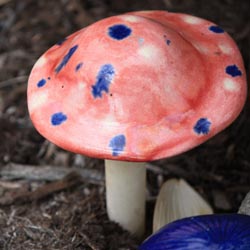
Add enchantment to your garden with magical Tinkling Toadstools. When placed in groups, colorful glazed caps create a tinkling sound when the wind blows. Position them under a shrub or in a large, rustic container to add a fairy garden ambiance to your evening landscape, and be sure there is subtle light nearby to highlight their color and beauty.

 Ponds or Other Water Features

When the moonlight, candles and twinkle lights reflect on the water’s surface, there is an added glow and iridescence to the garden. Running water from a re-circulating pump powering a small spray fountain or waterfall provides a relaxing background sounds to the summer evening. Accent your water feature with floating lights, stunning water lilies or other creative options.

Egglites

Add nighttime beauty to ponds, fountains, statuary, landscaping and more with Cal Pump’s Egglite. These assorted colored, 10-watt lights are compact spot lights that can be used in or out of the water and are suitable for fresh, salt or chlorinated water. Position them unobtrusively and select colors that can magically enhance your nighttime landscaping.

With the right evening accents, you don’t have to stop enjoying your garden when the sun sets – just as temperatures cool off, the beauty of your garden can be heating up.

nightgardenaccessories1nightgardenaccessories2

Battling the Bugs of Summer

In the summer months, insects can take their toll on your plants if you are not on the alert for problems. If the right product is used at the right time and under the right conditions, however, pesticides can be reduced to a minimum and your plants will be well-protected.

Organic Products

Apply organic products early in the morning when bugs are eating. To stop insect damage, the spray must be applied to the insect itself or sometimes to where the bug is eating. The entire plant must often be sprayed to keep the pests from moving on to untreated areas. Organic controls include insecticidal soap, Bonide All Season Spray (horticultural oil), Captain Jack’s Dead Bug Brew, tobacco dust, bacillus thuringiensis (Bt), rotenone and pyrethrin sprays.

Contact Products

Inorganic in composition, these insecticides must be applied either to the insect or the leaf where the pest is feeding. Apply in the morning for best results, and as with the organic controls, soak the entire plant so the insects do not find a safer spot to nibble. Contact pesticides include Malathion and Sevin.

Systemic Products

Systemic insecticides circulate to all parts of the plant. Therefore, if you are only able to spray part of a shrub, the product will move to all leaves within 24 hours to control feeding insects for about two weeks. Systemics are best applied in the evenings when there is no chance of rain and sprinklers will not be used. The product will be absorbed only as long as the leaf stays wet. When the leaf dries by mid-morning, the product is then moved through the entire plant when the insects resume feeding. Systemic insecticides available to the homeowner include Bonide Systemic Insect Spray, Ortho Systemic Insecticide and Bayer Season-Long Tree & Shrub.

Not sure how to deal with your pests and unwanted insects? This handy chart can help!

Environmentally Friendly Controls for Common Garden Pests


Pest Type

Control Methods

Ants & Cockroaches Concern Home Pest Control, Diatomaceous Earth, Bonide Eight, Bioganic Spray & Dust, Garlic Barrier
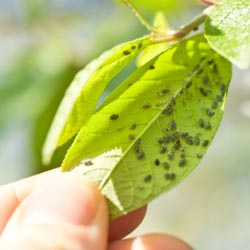
Aphids Insecticidal Soap, Pyrethrin, Bonide All-Season Spray, Bonide Eight, Rotenone, Hot Pepper Wax, Neem Oil, Garlic Barrier
Predator: Ladybugs, Praying Mantis
Caterpillars (Tomato Hornworm, Cabbage Looper, etc.) Captain Jack’s Dead Bug Brew, Bt (Bacillus Thuringinensis), Dipel Dust, Bonide Eight, Neem Oil
Predator: Trichogramma, Praying Mantids
Fleas Diatomaceous Earth, Concern Home Pest Control, Bonide Eight
Predator: Beneficial Nematodes
Japanese Beetles Beetle Traps, Neem Oil, Schultz Expert Gardener, Pyrethrin, Bonide Eight
Predator: Praying Mantids, Beneficial Nematodes for grub stage control
Lacebugs Hot Pepper Wax, Insecticidal Soap
Mealy Bugs Insecticidal Soap, Pyrethrin, Bonide All-Season Spray, Pyrethrin, Bonide Eight
Predators: Crytpolnemus or green lacewing
Mites Captain Jack’s Dead Bug Brew, Insecticidal Soap, Bonide All-Season Spray, Pyrethrin, Hot Pepper Wax, Garlic Barrier, Neem Oil
Mosquitoes Pyrethrin, Mosquito Bits, Mosquito Dunks (pond control)
Scale Hot Pepper Wax, Bonide All-Season Spray, Insecticidal Soap, Bonide Eight
Predator: Green lacewing
Slugs Concern Slug Stop, Monterey Sluggo
Predator: Birds
Thrips Captain Jack’s Dead Bug Brew, Insecticidal Soap, Bonide All-Season Spray, Pyrethrin, Hot Pepper Wax, Garlic Barrier, Neem Oil
Whiteflies Insecticidal Soap, Pyrethrin, Repel M Sticky Tape, Safers or Tanglefoot Sticky Whitefly Trap, Bonide Eight, Garlic Barrier
Predators: lady bugs, encarsia formosa or lace wings


battlingbugs3battlingbugs1

battlingbugs2

Crazy for Coneflowers

Beautiful and dependable, Echinacea purpurea, or purple coneflower, is the crowning glory of the summer perennial garden. A member of the Aster family, all Echinacea species are native to North America. The genus Echinacea is derived from the Greek ‘echino’ meaning hedgehog, a reference to the spiny center disc flowers.

Coneflowers are practical as well as gorgeous. They have long been used as an herbal remedy to stimulate the body’s natural immune system. Both plant roots and tops are used in the production of herbal medicines. Echinacea purpurea has traditionally been used for this purpose, but research is being conducted on the nine other species to determine their usefulness for homeopathic treatments.

Cultivating Coneflowers

Coneflowers will thrive in a sunny location, planted in well-drained soil. They are tolerant of nutrient-poor soil, heat and humidity. Echinacea purpurea grows on thick sturdy stems from 3-5 feet tall and generally does not require staking. Coneflowers are long-blooming, the flowers are fragrant and they make a long-lasting cut flower. This is one of the top ten perennials for attracting butterflies to the garden. You may deadhead plants after the blooms have faded to improve their appearance and to encourage a second, but smaller, bloom. You may also leave seed heads in place. In the summer and fall, they attract and provide food for goldfinches and other seed-loving birds. In the winter, the black spent flower heads add ornamental interest as they contrast dramatically with pure white snow.

This perennial is not invasive, but will self-seed if flower heads are left to mature. Cut plants down to the basal foliage, the low growing rosette of leaves, in the spring. Plants should be lifted and divided about every four years or as crowns become crowded.

Where to Place Coneflowers

Purple coneflower is a great addition to the back of any sunny perennial border. Its rose-purple flowers, with their coppery-orange centers, look great with ornamental grasses, Black-Eyed Susan (Rudbeckia) and Sedum ‘Autumn Joy.’ Appropriate usage ideas include: cottage, meadow, prairie, wildflower, native and herb gardens, as well as butterfly gardens and any containers that serve similar purposes.

Favorite Coneflowers

America is having a love affair with Echinacea and several new cultivars are released each year, while popular favorites continue to be top choices.

Popular Echinacea Varieties

  • ‘Baby White Swan’ – Dwarf ‘White Swan’
  • ‘Bright Star’– Petals are pale purple-pink on the edge and darker toward disc
  • ‘Coconut Lime’ – New for 2007, first double white coneflower
  • ‘Doubledecker’ – Unusual two-tiered coneflower with ray petals in disc
  • ‘Fancy Frills’ – Petals are frilled on the edge
  • ‘Fatal Attraction’ – Vivid purple-pink flowers with 2 rows of petals
  • ‘Fragrant Angle’ – Large, fragrant, snow white flowers
  • ‘Green Envy’ – Unusual rounded green petals with magenta veining near the cone
  • ‘Green Eyes’ – Magenta flower with a green center disc
  • ‘Hope’ – Pale pink flower named in honor of a cure for breast cancer
  • ‘Kim’s Knee High’ – Dwarf with recurved ray petals and large orange cone
  • ‘Kim’s Mophead’ – Compact plant with white flowers
  • ‘Magnus’ – 1998 Perennial Plant of the Year, purple-pink flowers, 3’ tall
  • ‘Mars’ – Large orange cones surrounded by brilliant rose-purple petals
  • ‘Merlot’ – Large rose-pink flowers on wine colored, sturdy stems
  • ‘Pink Double Delight’ – Similar to ‘Razzmatazz’ with a more compact habit
  • ‘Razzmatazz’ – Double, bright pink flower on very sturdy stems
  • ‘Ruby Giant’ – Large, rich ruby-pink flowers that are highly fragrant
  • ‘Ruby Star’ – Reddish-purple flowers held horizontally
  • ‘Sparkler’ – Rose-pink flowers, white-splashed variegated foliage
  • ‘Tiki Torch’ – Large, bright orange flowers
  • ‘White Swan’ – White coneflower with downward reflexed petals

Echinacea Big Sky Series

  • ‘After Midnight’ – Dwarf plant with brilliant magenta, highly fragrant blooms
  • ‘Harvest Moon’ – Gold flower with golden-orange cone
  • ‘Summer Sky’ – Bicolor flower, soft peach and rose petals
  • ‘Sundown’ – Russet-orange with a prominent brown central cone
  • ‘Sunrise’ – Lemon-yellow flowers
  • ‘Sunset’ – Orange flowers with prominent brown central cone
  • ‘Twilight’ – Vibrant rose-red with a deep red cone

Echinacea Meadowbrite Series

  • ‘Mango Meadowbrite’ – Mango color, paler than orange meadowbright
  • ‘Orange Meadowbrite’ – Large single blooms of rich sunset orange
  • ‘Pixie Meadowbrite’ – A true dwarf, only 18” high, bright pink flowers

The list that we have provided is not all-inclusive, nor an accurate representation of every coneflower variety we carry. Please stop by often as we continue to provide standard, new and unusual perennials, including many new types of coneflowers.

crazyconeflowers2crazyconeflowers3

crazyconeflowers1

Save

Daylilies… Easy to Grow, Fun to Collect!

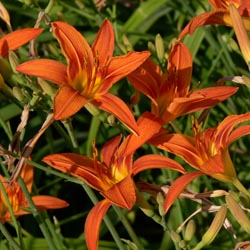
Few perennials can match the daylily (Hemerocallis) for versatility and durability. One of the most popular perennials, daylilies have become a collector plant for novice and experienced gardeners alike. Thousands of named cultivars are trouble-free to grow and adaptable to many conditions, which makes daylily collecting fun and easy. Although each lily-like flower lasts only one day, there are always more buds to open which provide summer color and a subtly changing garden for many weeks.

Using Daylilies

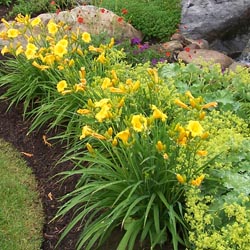
Just as there are many different daylilies to try, there are many different ways to try them. Plant them individually for a pop of color, or create a mixed border with other plants or multiple daylily types. Daylilies can be a fun surprise when naturalized in a grassy area or grouped in a mass as a groundcover over larger areas. Taller varieties can even become simple screens or create gentle privacy surrounds. The creative gardener may even use multiple daylilies to create fun patterns or pictures in a themed flowerbed.

Daylily Care

Daylilies tolerate dry, poor soil, but perform best and reach their full potential in rich well-drained beds. Different cultivars have different needs for sunlight, moisture and fertilizing, and while these flowers do well even if somewhat neglected, it is best to try to meet their needs so each bloom can flourish. Some will tolerate drought and frost better than others, while certain cultivars need more attention. All are quite low-maintenance, however, and will thrive for years even in marginal conditions.

Popular Daylilies

There are too many daylily types to list – there are more than 35,000 different cultivars – but some tried-and-true selections that are always favorites include…

  • Hyperion – 40” tall, space 18-24” apart. Delightfully fragrant, large, 5” primrose-yellow flowers with a green throat in mid to late summer. Full sun or part shade.
  • Mary Todd – 26” tall, space 24-30” apart. Golden or buff 6-7” flowers on a semi-evergreen foliage. Blooms midseason. Full sun.
  • Stella De’Oro – 12-18” tall, space 18-24” apart. Golden yellow 2-3” flowers with a green throat on a compact plant. Reblooms all summer. Full sun.
  • Joan Senior – 25” tall, space 24-30” apart. Near-white 6” flowers with a green throat on an evergreen plant. Blooms midseason. Full sun.
  • Becky Lynn – 20” tall, space 24” apart. Large, 6” rose-blend flowers with a green throat in a semi-evergreen plant. Blooms midseason, then reblooms. Full sun.
  • Rocket City – 36” tall, space 18-24” apart. Eye-catching, two-tone orange blossoms are up to 6” across. Blooms midseason. Full sun or part shade.

There are always more daylily types to try; come in today to see the latest, hottest, most amazing cultivars of these versatile blooms, and you’ll be eager to add more of them to your landscape.

Daylily Fun Fact:

The American Hemerocallis Society has classified daylilies by flower size. A miniature has flowers less than 3” in diameter, small-flowered cultivars have flowers from 3-4 ½” and large-flowered cultivars have flowers 4 ½” or larger.

easydaylillies2

easydaylillies3

easydaylillies1