
Author Archives: D.R. Snell Nursery

Holiday Poinsettia Care

A poinsettia plant is the quintessential holiday decoration and hostess gift for holiday parties or visits. They’re great as a centerpiece, decorating a step or filling in any empty space with bold holiday color and cheer. You can even position multiple poinsettias into elaborate arrangements mimicking trees or other holiday shapes. Have a look at our poinsettia do’s and don’ts list to help keep your poinsettia lush and beautiful through the holidays and beyond.

  • DO place your plant in indirect sunlight (Bright Light) for at least six hours per day. If direct sun can’t be avoided, diffuse the light with a shade or sheer curtain to prevent burns that can discolor the bracts or dry the plant out too quickly.
  • DO provide room temperatures between 68-70° Fahrenheit. Generally, if you are comfortable, so is your poinsettia. Cooler (but not cold!) temperatures will be better than hotter areas, but you must avoid sudden chills (close doors that get open to outside) .
  • DO water your plant when the soil feels dry to the touch. Use distilled water without any chemicals or additives. If you must use tap water, allow it to stand for 24 hours before watering so chemicals can evaporate out of the water.
  • DO fertilize your plant after the blooming season with a balanced, all-purpose fertilizer if you hope to keep the plant thriving for many weeks. Use fertilizer properly according to the manufacturer’s instructions.
  • DON’T place plants near cold drafts or excessive heat. Avoid placing plants near appliances, fireplaces or air ducts, and minimize ceiling fan use or other drafts and breezes near the plant. Don’t place poinsettias near exterior doors that are opened and closed frequently.
  • DON’T expose plants to temperatures below 50° Fahrenheit. Poinsettias are sensitive to cold, so do not place them outside during the winter months.
  • DON’T overwater your plant or allow it to sit in standing water. Always remove a plant from any decorative container before watering so you can carefully gauge the water it receives, and allow any excess water to drain completely to minimize the risk of root rot.
  • DON’T expose your plant to chilling winds when transporting it. Use the plant sleeve provided when you purchased the plant. If you will be giving the plant as a gift, wrap it lightly with tissue when transporting it.
  • DON’T fertilize your plant when it is in bloom. After blooming, use the appropriate fertilizer and follow instructions carefully to provide your poinsettia with the proper nutrition.
  • DON’T give up on your poinsettia! These plants can be stunning for many weeks after Christmas, and with proper care you can enjoy your poinsettia for long after the holiday season.

Tools for Holiday Gift Giving

It’s easy to shop for gifts for the gardeners on our holiday list. There are always new tools available for the serious, and not so serious, gardeners in our lives. In fact, there may be too many to pick from, but we can help you narrow down the selection to find the perfect gift.

  • Pruners
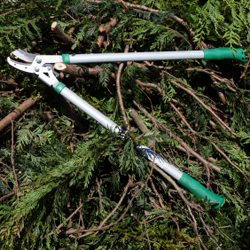
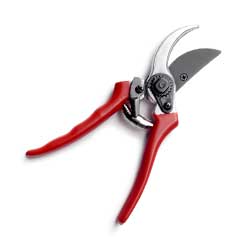
    Every gardener faces the need to prune or deadhead flowers at some time. From hand pruning a wayward twig to removing a branch 10′ overhead, there is a pruning tool to make any job easier.Because everyone’s hands and hand strengths are different (and some folks are left-handed), hand pruners are the most personal of garden tools. Two well-known companies, Corona and Felco, produce hand pruners and saws. Hand pruners come in two basic styles: by-pass pruners have two sharp blades that pass each other when cutting, while anvil pruners have one sharp blade cutting the material against the other flat blade. Both companies offer several models of these styles to accommodate different pruning needs, sizes of hands, hand strengths and orientations. New ergonomic models optimize hand strength and minimize discomfort.Another option is a pruning saw, which is different from any old saw. A larger sheath model saw makes short work of removing a large branch. A smaller fold-up model is great to have in a gardener’s pocket while making the daily rounds. Different models, with different lengths and teeth sizes, ease sawing effort. Check out our gift shop to see all the options.When an overhead branch requires removal, a gardener appreciates a pole pruner. Not only is it a hassle to get out the ladder, it’s dangerous to perform the sawing and pruning motions when balancing. The redesigned Fiskars pole pruners are powerful, with a telescoping pole to 12′ extension. If the branch is too large for the pruner, the detachable saw blade cuts through it. Unlike the old style pole pruners, there are no ropes to pull (and tangle in the tree!). Pruning heads even swivel to get a closer and cleaner cut. The Fiskars pole pruner, or Pruning Stik®, won’t fit in your gardener’s stocking, but it’s certain to be a winner!
  • Shovels and Spades
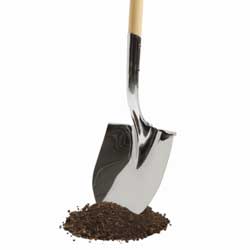
    Shovels and spades are other key gardening tools. While many shovel versions exist, the round point shovel is the most common. The heavy-duty blade point pushes through the soil and the rounded blade scoops the soil. Square-edged shovels also scoop soil and other materials in addition to digging but don’t have the point. Spades, basically a smaller version of a shovel, are usually flatter. Most shovels have a rolled lip, or rim, on the top of the blade. This is where the user puts their foot to push the tool into the soil. The larger the rim, the more comfortable for the foot when doing a lot of digging.Better quality shovels and spades are powder coated to prevent rust, are pre-sharpened, and the blade is welded or forged to the shaft. Shafts vary in style and material. Wood, plastic or fiberglass shafts may be straight or end with a handle. A fiberglass shaft lasts longer than wooden shafts and doesn’t require annual maintenance and cleaning. Ergonomic designs reduce the chance of wrist injury. Other shovel/spade specialties include the trenching shovels to dig deeper than the standard 12 inches, border spades and smaller sized round point shovels to dig smaller holes or working around existing landscape. And don’t forget trowels and other hand digging tools. If your gardener has a special digging or scooping need, there’s a shovel or spade for it.
  • Hoes
    Hoes may seem old-fashioned, but there are new designs every gardener can appreciate. Used since ancient times, the hoe performs many functions in the garden depending upon its configuration. The regular hoe’s rectangular shaped blade, positioned at a right angle to the shaft, weeds and shallowly cultivates. The V-shaped version, also called the Warren hoe, has a point to dig furrows for seed planting. The other side closes the furrows after planting. The “weeding” and “action” style hoes make short work of removing weeds.
  • Rakes
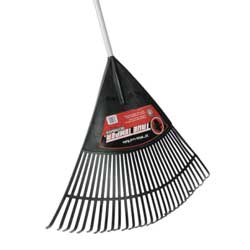
    A rake is another essential tool. Think of a leaf rake as a large hand – it allows the user to gather a large amount of material such as leaves and debris. Rakes may be metal or plastic, quite large to cover a large area quickly or quite small to get under plants without damage. Rakes are practical and save time and energy. Specialized rakes include the two styles of garden rakes, flat and bow, and thatch rakes to remove thatch from lawns to keep turf lush and thick.

There’s just one problem with giving these larger tools as gifts – they’re very difficult to wrap- just let us make a beautiful big red bow for them.

Gifts from the Greenhouse

Living gifts are wonderful for any holiday, and they are particularly popular in winter when they bring a lovely touch of nature indoors for us to enjoy until spring. Fortunately, there are many popular plants that make stunning holiday gifts.

Poinsettias

Available in shades of white, pink, red, gold, plum and variegated combinations, poinsettias are great for decorating your home as well as the perfect holiday gift. We sleeve your plants to protect them as you take them to your car. Do not leave these plants in an unheated car, and take them indoors quickly when you get home. Poinsettias’ colorful bracts last well beyond all the holidays and even into the spring if properly cared for. These easy-care plants prefer bright, filtered light in a spot free from drafts. Let the plant become moderately dry between waterings, and don’t fertilize while in bloom. Ask for our re-blooming guide if you want to try your hand at re-flowering your poinsettia next year.

Christmas Cactus

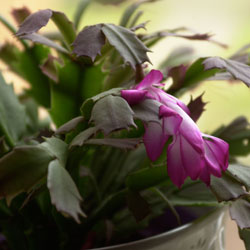
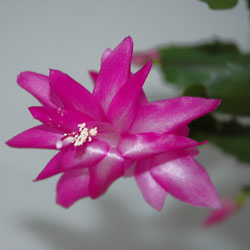
With colorful flowers in red, pink, salmon, orange, lavender or white, Christmas cactus will do best in a sunny south, east or west window. Keep the soil evenly moist but not too wet or else the roots may rot. To encourage your cactus to bloom, avoid any artificial light at night starting in September. You will also need to keep the plant in a cool location, allow the soil to dry well between waterings and don’t fertilize. Over time, these plants can grow to tremendous proportions and will have dozens of blooms just when their colors are most welcome.

Cyclamen

Cyclamen is a popular perennial plant with generous colorful flowers that bloom for a long time. Keep cyclamen evenly moist from September through May. Let them dry from June to August so the tuber can rest. Ideal light is a sunny east or west window, but do not allow the foliage to touch the glass or it may freeze or burn with the temperature changes. Cyclamen prefer a cool room (60-70 degrees). Feed them from September to May, then stop for the summer months to encourage winter blooming.

Amaryllis

This plant never fails to break the gloom of winter and provides enormous pleasure with its large, gorgeous blooms. If you want an amaryllis to bloom for Christmas, it must be started in the fall. Plant your amaryllis in a container not much larger than the bulb itself with a third of the bulb above the soil. Place in a warm, sunny spot, watering when the soil is dry. As the bulb grows more actively, increase the frequency of watering. Your plant will flower in brilliant red, white or a variegated pattern of the two. After flowering, you can save the bulb for next year. Ask one of our staff for instructions or pick up our free guide about amaryllis.

Azaleas

Florist azaleas normally bloom in spring, but they can be forced into bloom anytime. Azaleas are available in many colors, with the most popular shades including pink, white and peach. These flowers come in both single and double blooms and they can last for up to a month, ideal for a holiday gift or winter decoration. When an azalea is blooming, do not allow it to dry completely.

Norfolk Island Pine

These little trees are native to Norfolk Island in the Pacific, where they will grow as high as 200 feet with trunks 10 feet in diameter. Smaller versions are easy-to-please houseplants. A slow grower, Norfolk Island Pines will send out about 6 inches of new growth each year. Bright, indirect light is fine although in the winter the plants can stand full sun. Keep the plant moist, but never sodden. Feed your plant every 2 months. Repotting is best done in spring but needs to be done infrequently, since the plants are slow growers. These trees lose their lower branches as they grow.

Paperwhite Narcissus

Of all flower bulbs, paperwhite narcissus are one of the easiest to bring into flower in the indoor garden. Paperwhites are the delicate white flowering, notoriously fragrant narcissus that reliably bloom indoors about 4-6 weeks after planting. Paperwhites are grown in a dish with stones (or in a pot with soil). Fill the dish halfway with stones and place bulbs on top. Place bulbs close together, but not touching. Add water up to the base of the bulbs. Pack more stones around the bulbs until just the tips of the bulbs are visible. Place in a bright, cool area (60-65¡ F) and water regularly.

No matter which plant you choose, these gifts from the greenhouse add a fresh touch to any home throughout the winter.

greenhouse-gifts-3greenhouse-gifts-1

greenhouse-gifts-2

Care of Christmas Greens

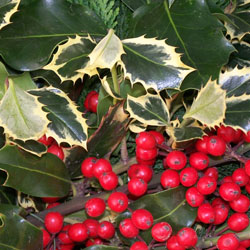
Fresh cut greens – pine boughs, holly sprigs, mistletoe, etc. – are wonderful for winter and holiday décor, both indoors and out. Extend the life and enjoyment of your fresh greens by following these easy steps:

  • SOAK – Immerse greens in cold water overnight or up to 24 hours. The needles will soak up moisture to stay plump and firm. A good location for accomplishing this task is in a utility sink or bath tub, but be sure the water won’t freeze while the greens are soaking. Use only fresh, plain water without any additives or chemicals.
  • DRY – Allow greens to drip dry for an hour or so in a well-ventilated area out of direct sunlight. This will remove excess water from the branch ends so they do not leak.
  • SPRAY – If desired, spray Wilt-Pruf, an anti-transpirant, on greens when they are finished dripping. This will seal moisture into the needles extending the life of your greens. Do not use this on Princess Pine, and note that this product may change the color of blue-colored cut greens like Colorado Blue Spruce and Blue Juniper. Test the spray on an inconspicuous area first to be sure you don’t mind any changes.
  • DRY – Allow the greens to dry thoroughly after spraying and before decorating and hanging or arranging. This will be sure there are no water spots on any of your bows, accent pieces or ornaments that are part of your fresh arrangements.
  • COOL – Keep greens in as cool a location as possible, out of direct sunlight and away from any heat source, including heating vents, ceiling fans and air ducts. Moving arrangements of fresh greens onto a cool porch or into a garage each night can help extend their vibrancy.
  • BUNDLE – Arrange your fresh greens in dense bundles and bunches, either as wreaths, vase arrangements or swags. As a group, they will help keep each other fresh with slightly higher humidity between each green.
  • WATER – You can mist the greens 3 times a week. Keep centerpieces filled with water when possible. Some will store greens outside during the cold night so they aren’t drying out as fast.

With proper care, your fresh cut greens can be stunning holiday decorations for several days or weeks, bringing a touch of nature into your home even when the world is cased in ice and snow.

Considering Light when Choosing Houseplants

Bring the bright atmosphere of a tropical vacation into your home this season with houseplants. An integral part of your home décor, houseplants not only artistically improve your home, they also cleanse and freshen your indoor air quality. Plants take in carbon dioxide and release clean, pure oxygen. Some plants even absorb certain air toxins, potentially harmful radiation or unpleasant smells. Houseplants also add welcome humidity to the air we breathe, and filter dust particles for a cleaner environment. While houseplants can improve your life in many ways, they must be selected to fit successfully into your lifestyle.

Don’t Consider Light Lightly

When selecting a foliage plant, first determine what type of light you have – this will be the best key to the plant’s health and survival. Look at the area where you would like to keep the plant through the entire day to determine if the light changes. You will also want to keep in mind the time of year – the light will change with different seasons as well as the angle of the sun.

  • Low Light – 3-4 hours of indirect light. Don’t confuse this type of light with no light. If you can sit in the room and read comfortably without turning on a light, it is low light. If you must turn a light on, then it’s considered no light. Plants in Low light need to be watered way less frequently.
  • Medium Light – 4-6 hours of indirect or direct morning sun.
  • High Light – Direct or indirect sun for 6-8 hours a day. Direct afternoon sun in the winter can be too hot for many houseplants. Be careful this time of year because many plants can get sunscald.

No matter what the light levels in different rooms of your home, there are plants that can be comfortable there. If you aren’t sure what your light may be or which plants may thrive, we also recommend you talk to one of our experts about your particular situation for best results.

Low Light Plants

  • Aglaonema
  • Dracaena Warneckii
  • Homolomena
  • Dracaena Janet Craig
  • Pothos
  • Philodendron
  • Spathiphyllum
  • Philodendron Xanadu

Medium Light Plants

  • Corn Plant
  • Norfolk Island Pine
  • Bamboo Palm
  • Ming Aralia
  • Podocarpus
  • Schefflera Amate
  • Spathiphyllum Domino
  • Arboricola
  • Anthirium
  • Ficus Alii
  • Lubersii

High Light Plants

  • Palms
  • Yucca Cane
  • Sago Palm
  • Crotons
  • Fishtail Palm
  • Banana
  • Zamia

A Word About Watering

The smaller the pot, the more frequently you will need to water your houseplant. Small pots (2-3 inches) might need water every day depending on the plant’s needs and the richness of the soil. A 4-6 inch pot may need water every 3-4 days, whereas a 10-inch pot (or larger) usually only requires water every 4-6 days. These guidelines can change depending upon the location of the plant, the type of pot, variety of plant, soil condition, general humidity, time of year and weather conditions. Plants don’t utilize as much moisture on gray days as they do on sunny days.

Because so many factors can impact houseplant watering, determining the watering schedule for large pots (over 10 inches) can be difficult. To help, take a natural wooden dowel and push it into the soil until it reaches the bottom of the pot. After you pull the dowel out, you will be able to see the wetness on the bottom of the stick (if there is any). Also, remember that the larger the pot, the more water will be held in the soil at the bottom – even if there are drainage holes.

Fertilizing

Most foliage or non-flowering houseplants prefer 15-30-15 Houseplant Special fertilizer by Jacks used once a month, year-round. You can increase the feeding to twice a month during the growing season. Flowering plants have different fertilizing needs depending on their bloom schedules and growth productivity. Investigate the needs of your individual plants and feed them appropriately.

Houseplants can add great beauty and many benefits to your home. Once you begin choosing houseplants, you’ll soon be enjoying them in every room and every season.

Flirting with Spring

In January and February, winter flirts with spring. Despite snow on the ground, there will be occasional warm days, balmy breezes and stunning blue skies that remind us of the rich colors of spring. On these flirtatious days, quince, forsythia and pussy willow begin to emerge from dormancy. With this slight swelling of buds, it is time to cut a few branches to bring spring indoors, so even when winter reappears with the next freeze or storm, we’re reminded of the warmer times to come.

Forcing Branches

Just like forcing bulbs, forcing branches will bring their buds into full beauty even if the outside weather isn’t quite right yet. To force branches, select plants that have set their buds in the fall or early winter. Look for branches with plump flower buds, and cut branches that you would have normally pruned in order to preserve the shape and health of the plant.

Next, scrape about 2 inches of the bark from the pruned end of the branch and make a 3-5 inch cut up the branch (lengthwise from the pruned end) to allow water to be absorbed. You can also split the end by carefully hammering it, but avoid crushing the tissues. Fill a tall container or vase with room-temperature water and floral preserver, then place the cut branches in it. Place the arrangement in a dimly lit room for 2-3 days, then move into a brighter area (but no direct sunlight). Change the water and cut 1 inch off the bottom of the stem each week. Mist the branches daily. Although they may take up to 3 weeks to bloom, the delightful bursts of color will be a celebrated reward for your time and efforts.

Flowering Branches for Forcing

Depending on when you want your buds to bloom, there are a variety of great branches you can work to force into brilliance even when spring is weeks away.

Early bloomers…

  • Witch Hazel
  • Cornelian Cherry
  • Forsythia
  • Pussy Willow
  • Azalea
  • Flowering Quince

For Later Blooms…

  • Magnolia
  • Apple
  • Crab Apple
  • Flowering Dogwood
  • Hawthorn
  • Red Bud
  • Mockorange

 Decorating With Forced Branches

There are many different ways you can add a little spring glory to your interior décor with forced branches. Consider…

  • Using blooming branches in lieu of any flowers in vases.
  • Putting shorter branches in bud vases on a windowsill.
  • Adding branches to candle centerpieces or other arrangements.
  • Twining thinner branches around a wreath form.
  • Using the tallest branches in a tall, thin floor vase.

Spring will be here before you know it, and you can speed it along when you force branches to enjoy their blooms a few weeks early!

flirting-1

flirting-2

Orchids: Exotic Beauties To Warm The Winter

Orchids are some of the most exotic plants on earth. They display an amazing range of diversity in the size, shape and color of their unique flowers. There is a misconception, however, that these floral treasures are difficult to grow, when in fact more and more gardeners are growing and collecting orchids each year. Provide the essentials of good care and you too can grow orchids easily!

Growing Orchids

Orchids have some unique needs when it comes to proper care. Because they can be temperamental at times, it is best to carefully investigate the types of orchids you are interested in growing and be sure you can meet their individual needs.

  • Light: Most orchids prefer abundant, filtered sunlight. This can be met with west- or south-facing windows, or you may need some supplemental light sources. A few popular orchid varieties can grow in lower light levels.
  • Temperature: Like any plants, orchids can do well in a temperature range, though some prefer warmer locations and some prefer cooler locations. Measure the temperature range where you want to grow orchids and select varieties that will do well in that range.
  • Humidity: Orchids are tropical plants that do well in more humid environments. They can do well in terrariums or greenhouses where the humidity can be elevated, or you can take steps to increase the humidity around the orchids in your home, such as through plant grouping, pebble trays or misting.
  • Watering: Orchids tend to do best if they dry out somewhat between thorough waterings. Plant your orchids in an appropriate medium, and take great care with watering so they can absorb sufficient moisture without fostering root rot or other mildew.
  • Fertilizing: Fertilizers are not critical for blooming orchids, but they can help provide better nourishment. Fertilizing lightly is better than over-fertilizing, and fertilizer should only be applied during active growth periods.

The exact care your orchids will need will depend on the varieties you choose. Research their optimal environments and you’ll be well prepared to host an array of stunning orchids in your home.

Common Orchid Varieties and Care

orchid-chart

orchids

The Benefits of Plants in the Workplace

Time spent in nature is well known to provide many physical, mental and emotional benefits, but what if your work schedule and career keep you in an office without many opportunities for heading outdoors? You can bring the outdoors in and reap many of the same benefits.

Plants Can Improve Your Workplace

There has been extensive research done regarding the benefits of plants in the workplace. With full time employees spending approximately one-quarter of their lives at work it is important that these buildings provide an environment of beauty, health and comfort. Studies confirm that there are both physiological and psychological benefits to surrounding yourself with nature at work. An eight-month study conducted by a Texas A&M University research team has concluded that plants significantly reduce workplace stress and enhance employee productivity, a win-win situation for both employer and employee. Other studies have verified those findings, as well as expanded the list of benefits plants can provide when used judiciously as part of an indoor workplace.

The presence of plants in the workplace can…

  • Lower blood pressure
  • Reduce stress
  • Increase humidity
  • Reduce illness
  • Purify air
  • Reduce dust
  • Lower energy costs
  • Quicken employee response time
  • Enhance problem solving ability
  • Spark creativity
  • Increase brain activity
  • Provide a positive outlook
  • Act as a mood elevator
  • Have a calming affect
  • Boost learning
  • Contribute to noise reduction
  • Improve office appearance
  • Reduce distractions

With so many obvious benefits just by including plants in office décor, every office – whether it is a large corporation, a simple business or a cozy home office – should include at least a few plants.

Bringing Plants to Work

There are many easy ways to blend plants into office décor. Popular ways to integrate plants into the office include…

  • Larger potted plants or containers in a greeting or reception area.
  • Ferns or hanging pots in broad windows.
  • A ficus tree or other large pot near a water cooler.
  • Pothos or other trailing plants on top of cabinets in a break area.
  • Small plants and flowers on individual desks.
  • Decorating for holidays with seasonal plants.
  • Giving office plants as gifts for work anniversaries, welcomes, etc.

When choosing plants for the office, be sure to opt for plants that will function best in the environment. Take into consideration temperatures, light levels and humidity so the plants will thrive. Selecting low-maintenance plants that can withstand good-natured neglect is also wise, so they will still thrive even when project deadlines, committee meetings and vacation days may make their care sporadic. Fortunately, there are many great plants that can liven up an office, and each one will bring great benefits to the workplace.

workplace-2workplace-3

workplace-1

Feng Shui in the Garden

Feng Shui is the ancient Chinese philosophy that believes in attracting and guiding the flow of cosmic energy to influence your health, wealth and happiness. If you are already familiar with Feng Shui, you should know that it is assumed by many that the same fundamental principles that apply to your home also apply to your garden, maybe even more so since the energy in your home is brought in from the outside.

Feng Shui means ‘wind’ and ‘water.’ According to Chinese tradition, everything in the world contains ch’i, the cosmic life force. Ch’i means to flow freely like wind and water, but it is alleged that its movement can be blocked or trapped. This, it is believed, can cause disharmony or misfortune in your life. The movement of ch’i is thought to be influenced by several things such as colors, shapes and sound. The purpose of Feng Shui is to ensure that ch’i is flowing smoothly and gently without being allowed to stagnate or move too quickly. This harmony in your environment is understood to create harmony in your life.

Bringing Harmony to Your Garden

Feng Shui starts with basic gardening maintenance. Ch’i is believed to stagnate in areas where junk accumulates. Clean up your patio or deck and screen your garbage cans from view. Throw away any broken pots, planters or tools. Good cultural practices are also considered important in the flow of ch’i. Mow your lawn, pull up weeds, edge your beds and remove dead plants. Prune any broken or damaged limbs, stake plants and take steps to control insects and disease.

Ch’i requires smooth curves to flow. It is funneled by straight lines but impeded by sharp angles. It does not need to be costly or time consuming to remedy these types of structural problems. A straight walkway can be softened with the addition of curved beds on either side. You may also try planting perennials that mound or spill onto a walkway to break up straight lines. To help ch’i flow gently around corners, consider the addition of a tree, shrub or climbing vine. A curved bench or fountain is another option.

Bright colors, especially red, are used in Feng Shui to attract ch’i. Poor Feng Shui, it is believed, is remedied by placing the five elements recognized by the ancient Chinese – wood, fire, earth, water and metal – in their appropriate direction to beneficially affect the movement of ch’i.

Why not try some of the elemental remedies below in their appropriate directional orientations? They may assist with the flow of ch’i in your garden and perhaps you will reap the benefits of good fortune Feng Shui reportedly imparts.

Feng Shui Remedies
fengshui

fengshui-3

fengshui-1

fengshui-2

Year-Round Container Gardens

The best gardens provide interest all twelve months of the year. In the spring and summer, gardens are full of color with bright, cheerful bulbs, pastel spring-flowering trees, vivid, multi-colored bedding plants and striking perennials; fall gives us shades of yellow, gold, orange, red and purple with the changing of the season, as well as abundant fruits and berries. Winter has its attractions as well with evergreens, hardy plants and persistent berries. With a little planning, container gardens can give us color and variety every month of the year.

Planning for Winter Container Gardens

While most gardeners have no trouble creating lush container gardens for spring, summer and fall, winter is more of a challenge, especially if you hope to enjoy the same plants in every season. Fortunately, many plants are suitable for winter container gardening. The best choices include evergreens, shrubs with berries, those with contorted branches or interesting bark and buds or later winter-flowering shrubs. These plants remain in the containers for year-round interest, while bulbs, annuals and perennials can be switched out for colorful seasonal interest. Consider how all the plants will change seasonally so you can create a living tableau that will retain gorgeous shape, form, color and texture throughout the year.

Planting and Care for Year-Round Container Gardens

When planting containers for all-season interest, frost-proof pots should be your choice. This includes fiberglass, polyethylene and structural foam planters. These pots resist winter damage, insulate to help regulate the soil temperature and retain moisture better than porous pots. They are also lightweight, so they can be more easily moved to a sheltered location in poor weather, or shifted to a sunny spot on a warm day.

Plant containers as you normally would, following good horticulture practices – enriching the soil, providing proper drainage and arranging plants for the best visual appeal. Be certain to give your pots shelter from the prevailing winds and water your plants when needed to keep roots from drying out. To water, check the soil moisture when temperatures rise above 40 degrees and add cold water as necessary. You may want to shift the containers’ location each season for the best light and weather protection. In winter, it may also be useful to add an insulating blanket around the pot or to provide more wind protection by stacking hay bales around the container.

Plants for Winter Interest in Year-Round Containers

While some plants are stunning for a season, the following plants are proven winners in winter and will bring great interest to your containers.

Evergreens

  • Buxus (Common Boxwood)
  • Pinus (Dwarf and Semi-Dwarf Pines)
  • Thuja (Dwarf Arborvitaes)
  • Juniperus (Dwarf Junipers)
  • Tsuga (Dwarf Hemlock)
  • Picea (Dwarf Spruces)
  • Taxus baccata (English Yew)
  • Chamaecyparis pisifera ‘Filifera Aurea’ (Golden Japanese False Cypress)
  • Pieris Japonica (Japanese Pieris)
  • Kalmia latifolia (Mountain Laurel)
  • Microbiota (Siberian Cypress)
  • Euonymus fortunei (Wintercreeper)
  • Sciadopitys verticillata (Japanese Umbrella Pine)

Deciduous

  • Amelanchier arboreo (Downy Serviceberry)
  • Fothergilla gardenii (Dwarf Fothergilla)
  • Corylus avellana ‘Contorta’ (Harry Lauder’s Walking Stick)
  • Ilex verticillata ‘Nana’ (Winterberry Holly)
  • Hydrangea paniculata ‘Grandiflora’ (PeeGee Hydrangea)
  • Cotoneaster (Cotoneaster)

Late Winter/Early Spring Accent Plants

  • Helleborus (Christmas and Lenton Rose)
  • Primrose
  • Ajuga
  • Violas or Pansies
  • Crocus*
  • Snowdrops*
  • Dwarf Iris*
  • Ivy

*Plant these bulbs in fall for winter flowering.

No matter what you choose to plant, it’s easier than you think to design delightful containers that will catch everyone’s eye all winter long.

year-round-container-gardening-4

year-round-container-gardening-1

year-round-container-gardening-2

year-round-container-gardening-3