
Author Archives: D.R. Snell Nursery

Dwarf Evergreen Conifers

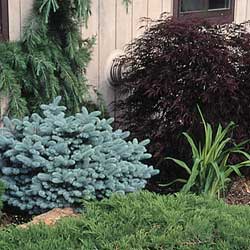
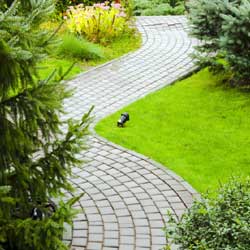
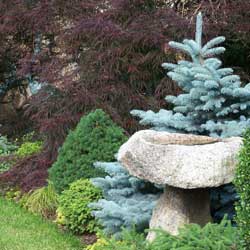
Dwarf conifers are some of the most versatile and popular plants of today’s modern garden and landscape. These fantastic plants add interesting texture, color and form to rock, pond and container gardens as well as any type of mixed border. They come in a variety of cultivars of different sizes and growth habits, and more cultivars are being introduced all the time. Dwarf conifers are virtually carefree and often provide four seasons of interest.

Dwarf Conifer Types

We commonly think of conifers as needled evergreens such as pines, spruce and firs, but not all conifers are needled and not all are evergreen. The common larch is needled, but deciduous. Ginko trees are conifers that have fan-shaped deciduous leaves, and this tree is neither needled nor evergreen. What identifies a plant as a conifer is that it is cone-bearing.

Dwarf conifers are slower growing and smaller versions of the straight species of a given conifer. A good example is the Eastern White Pine, Pinus strobus, which can reach a height of 100 feet at maturity. The dwarf version of this plant, Pinus strobus ‘Nana’, will only grow to eighteen feet at maturity, but other than its size, it shares all the charming characteristics that are so well loved about the full-size tree.

Thanks to their popularity, new varieties of dwarf conifers are being introduced each season. This gives you an almost endless selection to consider for your landscaping needs. Some of the most popular options include…

  • Abies alba ‘Green Spiral’ (Silver Fir)
  • Abies lagrocarpa ‘Arizona Glauca Compacta’ (Rocky Mountain Fir)
  • Abies procera ‘Sherwoodi’ (Noble Fir)
  • Abies balsomea ‘Nana’ (Dwarf Balsam Fir)
  • Cedrus deodora ‘Albospica’ (Deodar Cedar)
  • Chamaecyparis obtusa ‘Nana’ (Dwarf Hinoki Falsecypress)
  • Chamaecyparis obtuse ‘Nana Lutea’ (Hinoki Falsecypress)
  • Chamaecyparis pisifera ‘Aurea Nana’ (Japanese Falsecypress)
  • Picea abies ‘Little Gem’ (Norway Spruce)
  • Picea abies ‘Conica’ (Norway Spruce)
  • Picea abies ‘Pumila’ (Norway Spruce)
  • Picea abies ‘Argenteospicata’ (Norway Spruce)
  • Picea pungens ‘Montgomery’ (Colorado Spruce)
  • Picea pungens ‘Fat Albert’ (Colorado Spruce)
  • Pinus cembra ‘Glauca Nana’ (Swiss Stone Pine)
  • Pinus mugo (Mugo Pine)
  • Pinus nigra ‘Hornibrookiana’ (Autstrian Pine)
  • Pinus sylvestris ‘Globosa Viridis’ (Scotch Pine)
  • Tsuga canadensis ‘Gentsch White’ (Canadian Hemlock)

Not sure which of these or other amazing dwarf evergreen conifers are best suited for your landscape? Let our experts help you choose a beautiful tree that will be a standout however you may use it in your yard.
dwarf_2dwarf_3

dwarf_1

Determinate Versus Indeterminate Tomatoes

It’s tomato-planting time again! If you’ve grown tomatoes in the past, you most likely have your favorites. If not, just ask! You’ll find some pretty strong opinions regarding tomato choices, and every gardener has their own top choices, must haves and great picks for tomatoes.

Choosing Tomatoes

Along with soil type, climate, moisture and other typical gardening considerations, one of the features you will need to take into account when choosing what type of tomato to grow is plant habit. The two main habit classifications are “determinate” and “indeterminate” and are based on fruit use, available growing space and length of growing season. Both habit classifications include fruit selections in a wide variety of colors, sizes, shapes and tastes.

Determinate Tomatoes

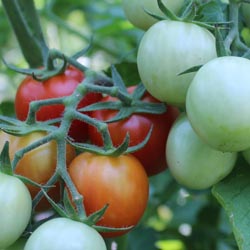
Tomatoes from a determinate plant are produced earlier in the growing season, on terminal ends of a compact bush. This type of tomato generally reaches 3-4 feet in height and is easily supported with a tomato cage or may even be self-supporting. Due to its compact habit, it may even be grown in containers, ideal for gardeners with less available space. Because all the fruit ripens at the same time, determinate tomatoes are an excellent choice if you plan to can your fruit or make sauce, as you won’t need to worry about collecting enough fruit to work with. Determinate classification includes popular tomato varieties such as:

  • “Celebrity” – an eating/slicing tomato
  • “Roma” – a paste tomato
  • “Sugary” – a cherry tomato
  • “Carolina Gold” – extra large, yellow fruit

Indeterminate Tomatoes

Indeterminate tomato plants will fruit along the entire length of the stem over a longer period of time, in fact continually, until frost. Smaller amounts of fruit ripening regularly throughout the growing season makes an indeterminate tomato plant an excellent choice if you cannot cook or consume a large quantity of this perishable fruit all at one time. Indeterminate tomato plants are vines, requiring proper pruning and support, to reach their ultimate height of 8 feet or more. Indeterminate classification includes popular varieties like:

  • “Amish Paste” – heirloom, paste tomato
  • “Beefmaster” – extra large sandwich tomato
  • “Better Boy” – juicy but firm, compact vine with shorter internodes
  • “Black Krim” – deep color, rich flavor
  • “Chocolate Cherry” – cherry, chocolate red in color

By understanding the differences between these basic tomato classifications, it will be easy for you to choose the tastiest tomato to suit your gardening needs and harvest preferences. Many gardeners choose more than one of each type of tomato, ensuring there is always a bountiful supply to use, to share and to enjoy!

Tomatoes

Rain Barrels

You’ve heard it said, “When it rains, it pours.” In gardening terms, this could easily refer to the amount of rain on the roof going through the gutters and downspouts, and then out to the storm drains and pouring away from your garden. With the unpredictability of rain and the cost of water, don’t you wish you could keep some of that rain and put it to better use? You can, by installing a rain barrel, or two, or three or more. Rain barrels don’t have to be expensive or an eyesore.

The Best Rain Barrels

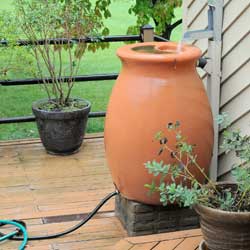
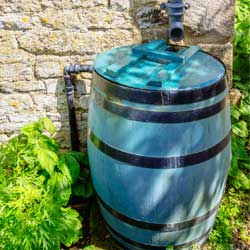
By diverting the gutter downspout to the rain barrel, rainwater is collected during a storm and stored. A fine mesh screen across the top prevents rocks and debris from entering the barrel and mosquitoes from laying their eggs. It’s a good idea to use a small amount of algaecide to prevent algae from building up in the barrel as well. Some barrels even have a solid cover with an opening to fit the downspout into, and the darkness inside the barrel helps inhibit algae growth.

Most rain barrels have two spigots, one at the top and one by the bottom. Attaching a hose to the top spigot redirects excess water when the barrel is full. You may use this to connect to another rain barrel that stores the overflow from the first, or you may position the overflow hose to direct excess rain to a nearby flowerbed, tree, garden or other plantings that can benefit from a good soaking.

A hose attached to the bottom spigot allows the stored water to flow for use. Incidentally, the water pressure increases if the rain barrel is elevated even just a few inches, allowing gravity to assist getting every drop of precious water out of the barrel so it can be put to use.

Value of a Rain Barrel

Is it worth it? According to the United States Geological Survey (USGS), a rainstorm measured at 1/10th of an inch, over a 20’x30′ roof, would more than fill a 32-gallon rain barrel if all the water is properly directed. Multiply this amount by your water charge per gallon and you’ll see it won’t take long to pay back the small investment made in a few barrels.

Furthermore, rainwater is often better for watering garden plots, containers, flowerbeds and new plantings, and is even better for many houseplants. Rainwater does not contain the same chemical treatments or compounds found in tap water, so collecting rainwater is a healthier alternative for keeping all your plants well hydrated.

Not sure which rain barrels will suit your style or how to set them up effectively? Stop in to see our collection and consult with our experts to choose exactly the barrel that will help meet all your watering needs.

barrel-3barrel-1

Raising Root Crops

Root crops are among the easiest vegetables to grow, and often the first and last vegetables in the garden to mature. Your garden may produce enough vegetables to take you through the entire year and, if kept correctly, root crops will last a long time in storage. These vegetables are great to grow, even in a small space. Many root crops are frost tolerant and with most, the tops, or greens, are also edible.

What Root Crops Need

To get the best harvest of root crops, no matter which types you opt to add to your garden, you need to meet their cultivation needs.

  • Soil
    Root crops grow best in deep, loose, rock-free soil that will allow the roots to form and grow easily. To nourish the plants, supplement the soil with plenty of organic matter.
  • Fertilization
    Root crops require a high phosphorus fertilizer for optimum growth, but check the needs of individual crop types to choose the best mixture. Always apply fertilizer according to the proper directions to prevent burning.
  • Temperature
    Most root crops are considered cool season vegetables and are planted both early and late in the growing season. Warm days and cool nights are most beneficial for root expansion.
  • Light
    Full sun is best.
  • Planting
    Seeds should be sown 2-3 weeks before the last expected frost date and subsequent plantings made every three weeks thereafter as weather permits (some exceptions apply). Planting depth varies depending on the type of plant; follow the directions on the seed packet. After seedlings emerge, thin to desired spacing as determined by the diameter of the root at harvest time. Beet and turnip tops that are thinned are edible raw as salad greens or they may be cooked. Root crops are generally not transplantable because they have a tap root.
  • Mulch
    Mulch plants that have already been thinned with salt marsh hay to retain soil moisture and minimize weed growth.
  • Pest Control
    Maintaining appropriate cultivation requirements will reduce or eliminate the need for pest control. As with all vegetables, it is important to rotate crops each year. Rotating root crops will discourage root weevils.
  • Basic Storage
    All root crops may be stored for a time before being eaten. In general, store at 32 degrees Fahrenheit and 95 percent humidity. Leave the crops in the garden as long as weather permits, then dig. Store the harvest in a root cellar or refrigerator.

Tips for Favorite Root Vegetables

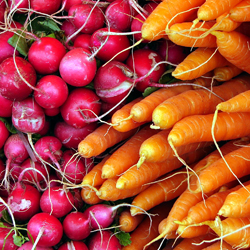
  • Carrots – Plant in sandy soil if you want the classic, long, narrow type.
  • Beets – You may harvest 1/3 of the tops without affecting the root.
  • Garlic – grows best in well drained, but moisture-retentive soil.
  • Horseradish – Use caution when planting this aggressive perennial.
  • Kohlrabi – Has a mild, sweet cabbage flavor.
  • Leeks – Flavor is best if harvested after a light frost.
  • Onions & Shallots – Plant from seed or sets.
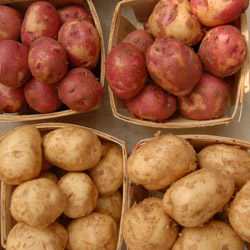
  • Potatoes – Best planted from ‘seed potatoes’ to match variety.
  • Radishes – Mature in as little as three weeks.
  • Sweet Potatoes – Warm weather root crop, will not withstand a frost.
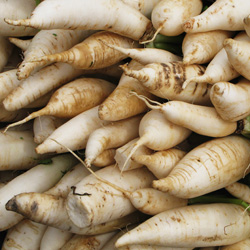
  • Turnips – For a fall crop, sow seeds in midsummer.

raising-root-1

raising-root-2

raising-root-3

Begonias for the Home

Begonias are a beautiful and diverse group of plants, with more than 1,500 species. Some are suitable for use as bedding plants or in container gardens, some for hanging baskets and others for indoor cultivation. Begonias are treasured not only for their colorful flowers but also for their unique foliage, and many varieties make spectacular houseplants. 

Indoor Begonia Care 

Begonias require little care when grown indoors. They need plenty of bright light with shading from the intense afternoon sun. Comfortable indoor temperatures are advisable, 65-75 degrees Fahrenheit, and should drop slightly at night, but not below 55 degrees Fahrenheit. Begonias are very sensitive to over watering. Make certain that the soil drains well, the pot has a drainage hole and water is not permitted to stand in the saucer. It is beneficial to provide additional humidity as heating and air conditioning rob indoor air of precious moisture. The best way to increase humidity is to use a humidity tray under your begonias. Avoid misting these plants to prevent mildew on leaves. Provide adequate air circulation to ensure the foliage stays fresh without excessive dampness. 

Indoor begonias are relatively carefree if they are kept healthy. Insects that commonly affect indoor plants may also cause problems for begonias. These include mealybug, whitefly and spider mites. If leaves become crispy around the edges it is an indication that the plant requires more humidity. If the leaves yellow and start to fall off it means the plant is receiving too much water. Fertilize begonias bi-weekly with a balanced fertilizer during the growing season. Stop fertilizing during the winter months to give the plant a rest.

 If you have any questions about these or any other houseplant problems, please call or stop by our greenhouse and speak with one of our experts. 

Best Begonias for Indoor Cultivation 

  • Angel Wing Begonias
    These begonias are favored for their large, colorful, patterned, wing-shaped leaves. The flowers of this begonia are large, hang in clusters and tend to be soft in color. Angel Wings bloom in shades of white, pink, red and orange. Due to their cascading habit, these plants lend themselves well to hanging baskets but also look wonderful in larger pots. You may pinch Angel Wing Begonias to keep them at a manageable size and also to promote new canes at the base of the plant. Hang these plants outside in a semi-shaded area during the summer.
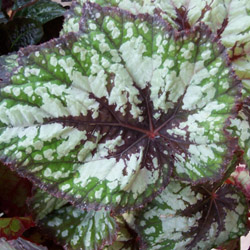
  • Rex Begonias
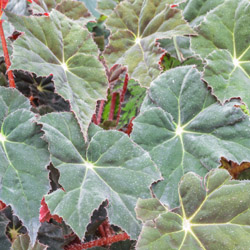
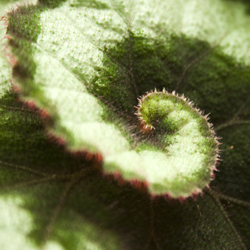
    Although these begonias do flower, rex begonias are grown primarily for their striking foliage. The leaves are uniquely shaped, unusually patterned, heavily textured and come in exceptional color combinations that can include green, pink, red, silver, yellow, orange, maroon and purple.
  • Rieger Begonias
    These are one of the most loved and easy to care for houseplants. The main attraction of this plant is the brilliantly colored, double or semi-double flowers in white, yellow, orange, pink and red. This plant will flower for several months and the flowers will last longer if temperatures are on the cooler side, 55-65 degrees Fahrenheit. Deadhead to encourage new blooms and extend the blooming season.
begonia-2

Rex Begonia

begonia-3

Top Native Shrubs for Year-Round Interest

We just love incorporating natives into the home landscape, and it’s easier to do than many gardeners realize. Including native plants is an important part of sustaining local pollinators and wildlife. Furthermore, native plants are naturally lower maintenance and pest-resistant, and wow, are they beautiful!

Favorite Native Shrubs

It’s easy to find native shrubs to provide interest in the garden the whole year through, from fresh spring growth to brilliant summer blooms to outrageous autumn foliage to stunning winter structure. Our list offers outstanding selections that will do well in a variety of moisture levels, soil types and sun exposures. Cultivars of these species offer variations in size, form, leaf color and shape as well as flower colors.

  • Sweet Pepperbush (Clethra alnifolia)
    Deciduous shrub, 3-8 feet high x 4-6 feet wide. Fragrant white blooms in July to August. Full sun to part shade, but will tolerate heavy shade. Moist to wet soil, tolerates erosion and clay soil. Use as a hedge, to naturalize or in rain garden. Attracts butterflies.
  • Sweetfern (Comptonia peregrina)
    Deciduous shrub, 2-5 feet high x 4-8 feet wide. Insignificant flower, ornamental and fragrant leaf. Full sun to part shade. Medium moist soil preferred, but also drought tolerant. Use to naturalize or in rain gardens.
  • Silky Dogwood (Cornus amomum)
    Deciduous shrub, 6-12 feet high x 6-12 feet wide. Yellowish-white flowers in May to June followed by showy fruit. Full sun to part shade. Medium to wet soil. Deer tolerant. Good for erosion control. Use as a hedge or in a rain garden. Attracts birds.
  • Winterberry (Ilex verticillata)
    Deciduous shrub, 3-12 feet high x 3-12 feet wide. Showy red fruit in the winter. Full sun to part shade. Medium to wet soil and tolerates clay soil. Tolerates air pollution. Controls erosion. Use as a hedge or in a rain garden. Attracts birds.
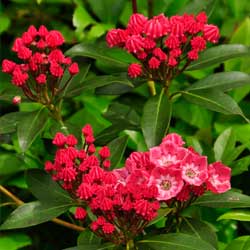
  • Mountain Laurel (Kalmia latifolia)
    Broadleaf evergreen, 5-15 feet high x 5-15 feet wide. May-blooming with rose to white flowers with purple markings. Sun to part shade. Medium moist soil. Deer and rabbit tolerant.
  • Spicebush (Lindera benzoin)
    Deciduous shrub, 6-12 feet high x 6-12 feet wide. Fragrant greenish-yellow, flowers and showy fruit. Part shade but can tolerate heavy shade. Medium soil moisture and drought tolerant. Deer tolerant. Can grow in clay soil. Attracts birds and butterflies.
  • Northern Bayberry (Myrica pensylvanica)
    Deciduous shrub, 5-10 feet high x 5-10 feet wide. Showy fruit in the winter. Full sun to part shade. Dry to medium soil moisture. Use as a hedge, naturalize or in a rain garden. Attracts birds.
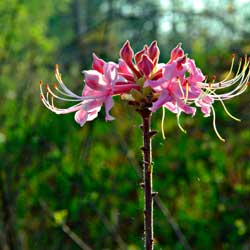
  • Pinxterbloom Azalea (Rhododendron viscosum)
    Deciduous shrub, 3-5 feet high x 3-5 feet wide. Blooms white to pale pink in May to July. Part shade. Medium to wet soil moisture. Very ornamental and good as a cut flower. Tolerant of rabbits. Attracts hummingbirds and butterflies.
  • American Cranberry Bush (Viburnum opulus ‘americanum’)
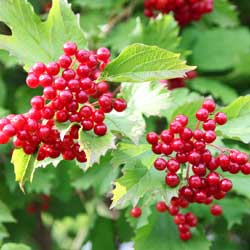
    Deciduous shrub, 8-12 feet high x 8-12 feet wide. White lacecap flowers in April to May. Edible fruit. Full sun to part shade. Medium soil moisture. Use as a hedge or in the shrub border. Attracts birds and butterflies.

If none of these suggestions quite meet your preferences for a year-round native shrub, stop in to see our experts for more tips and options – new species and cultivars are always arriving!

top-native-3top-native-1

top-native-2

Pink Muhley Grass

Ornamental grasses are becoming increasingly popular, and there is now an over-abundance of options available at garden centers. So many choices can make the selection process difficult, even overwhelming. There is one ornamental grass, however, that takes the cake. Pink Muhley Grass is arguably the most colorful ornamental grass around and it is sure wow your friends and neighbors.

About Pink Muhley Grass

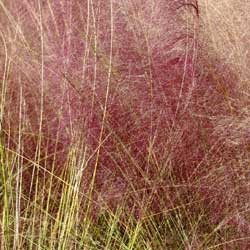
Pink Muhley Grass (Muhlenbergia capillaris) is a native grass that is deer, drought and salt tolerant. It is hardy in zones 7-10 and may be grown as an annual elsewhere. Broadly adaptable, this grass prefers sun but will tolerate part shade and will grow well in just about any soil type. ‘Regal Mist’, or also called ‘Lenca’, is a cultivar known for the deepest plume color.

Perfect used as a specimen plant in containers or in groupings in beds and borders as well as naturalized in a meadow garden, this fall bloomer is an outstanding ornamental plant. The pink-purple flower plumes that grow up to 4 feet are also exceptional for use in cut and dried floral arranging.

Proper Care

This ornamental grass is very easy to care for. Simply prune your Pink Muhley Grass clump back hard in late winter or very early spring before the attractive new growth begins to show. Although drought tolerant, the plant will be fuller and lusher with regular, consistent watering. It is especially adaptable to poorly drained soils, and can grow in full sun or partial shade locations.

In the Garden and Landscape

There are many stunning uses for this outstanding grass, whether you are cultivating a formal garden or a more relaxed landscape. Consider these popular options…

  • When not flowering, the green clump creates a textured mound acting as a groundcover or background for other smaller plants. It can also soften harsh garden corners, walkway edges or awkward intersections.
  • As a finely textured grass, plant Pink Muhley Grass with contrasting companions such as calla lilies, evergreen shrubs or low growing groundcovers to create interest in the landscape.
  • Plant in front of the larger smoketree Cotinus coggygria ‘Grace’ for an exquisite coordinating display of color and texture.
  • Plant where it will be backlit. It positively glows where it catches the early morning or late afternoon sun.
  • Use as a beautiful and unusual addition to floral arrangements.

Do you need another reason to grow Pink Muhley Grass? Oh, yes, the birds will thank you – they love the seeds!

pink-muhley-1

Try Something New: Pomegranates

Want to grow an exotic fruit that is delicious, nutritious, beautiful and incredibly hip? You really should consider planting a pomegranate! It’s not as difficult as you may think.

Why Pomegranates are Popular

Pomegranate is a stunning superfood rich in antioxidants, folic acid and vitamins A, C and E. It has no cholesterol, and is also rich in fiber and potassium. Because of these nutritional advantages, pomegranate is showing up in a multitude of supermarket products like yogurts, juices, salad dressings, jellies and desserts. It can be added to sauces, fruit crisps, salsas, relishes, dips and more. You can even make a pomegranate martini! And, of course, it’s an extraordinary experience eating a fresh pomegranate. These are stunning, delicious fruits that are rarely seen in backyard gardens, but can make a great landscaping statement when properly grown.

Growing Pomegranates in the Landscape

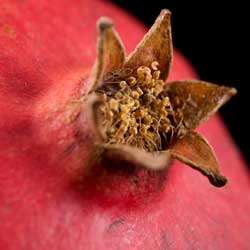
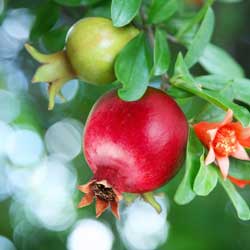
Pomegranates grow as multi-stemmed, small trees or large shrubs. They reach 15 feet tall by up to 15 feet wide. In spring, vibrant, gorgeous orange-red flowers grace the branches of this plant. These beautiful blossoms develop into the luscious pomegranate fruit containing dozens of tart and tangy bright red seeds and pulp. The fruit ripens somewhat square in the early fall and has a leathery skin that can be yellow to red in color.

The cultivar ‘Wonderful’ is hardy to zone 7 and is easy to grow. Plant your tree in full sun. It will thrive in the summer heat and in most soils. Pomegranates are drought tolerant, however, the fruit is better and the seeds more plump with regular deep irrigation. Because this fruit tree is self-fertile, there is no need to plant a second one for pollination.

Enjoying Your Pomegranates

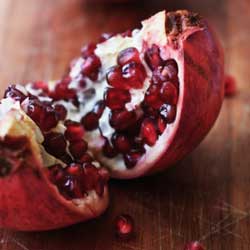
If you’ve never cut your own pomegranate, it can be frustrating to learn how to separate the juicy seeds from the husk and membrane. To access the seeds…

  1. Cut off the crown of the fruit.
  2. Score the leathery husk in quarters from stem to crown end.
  3. Set the scored fruit in a bowl of cool water and let soak for a few minutes.
  4. Hold the fruit under water and break scored sections apart with your fingers, separating the seeds from membrane. The seeds will sink to the bottom of the bowl.
  5. Discard the skin and membrane.
  6. Drain the seeds on paper towels.
  7. Toss pomegranate seeds into your salad, mix them in your yogurt or smoothie or shake them into a martini and enjoy!
pomegranate-1pomegranate-2pomegranate-3

Get Your Mint On!

Growing Your Own Spearmint

Want to add a personal touch to your mint juleps – or any other mint recipes – by growing your own spearmint? Nothing could be easier.

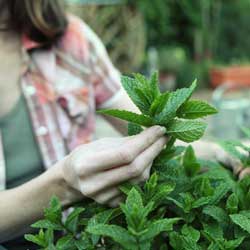
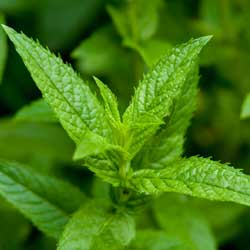
Easily grown from seed scattered on a moist surface, mint also transplants easily from purchased pots or from a friend’s garden. It thrives in moist shady areas and grows to 3′ tall. A light application of compost or a well-balanced fertilizer improves the quality but be careful; too much adjustment can also affect the overall flavor of the mint.

Harvesting is also easy. Whenever you want to use your mint, just wait until after the dew dries then cut the plant 3″ from the ground. Preserve by drying, freezing or storing in salt, sugar syrup, alcohol or oil. This method allows the mint oil’s distinctive taste and aroma to infuse the medium for future use.

Aside from mint juleps, varieties of mints flavor a wide assortment of foods from salads to sauces and cookies to ice cream. In the upcoming hot months, put spearmint in your lemonade (or beverage of choice). Of course, fresh mint has the strongest taste, so just pluck some, put it in a glass, and pour in the lemonade for a cool delightful thirst quencher with a sprig of freshness infused in every taste.

The Early Times Mint Julep Recipe

  • 2 cups sugar
  • 2 cups water
  • Sprigs of fresh mint (spearmint is the favorite)
  • Crushed ice
  • Early Times Kentucky Whiskey

Make simple syrup by boiling sugar and water together for five minutes. Cool and place in a covered container with six or eight sprigs of fresh mint, then refrigerate overnight to allow the mint flavoring to infuse.

Make one julep at a time by filling a julep cup with crushed ice, adding one tablespoon mint syrup and two ounces of Early Times Kentucky Whisky. Stir rapidly with a spoon to frost the outside of the cup.

Garnish with a sprig of fresh mint.

(Recipe from www.kentuckyderby.com/party, with permission)

mint-3mint-1mint-2

Save

Save

Conserving Water Through Proper Planting

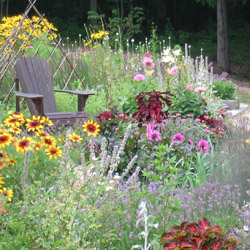
Worried that you may have to give up color in your landscape to save on maintenance and water? Afraid that watering restrictions in your area will put a damper on your colorful flowerbeds, borders and shrubs? It doesn’t have to be that way! Many brightly-colored trees, shrubs and flowers don’t require as much water once they become established, which generally takes about a year. The key is knowing which plants to select and how to treat them for that year. 

Choosing Plants That Tolerate Drought 

The key to keeping your color while losing the water is to opt for plants that aren’t quite so thirsty. Fortunately, there are all types of beautiful drought-tolerant plants to choose from, with more cultivars being developed every year. 

Dry soil tolerant plants include: 

Annuals

  • Cosmos
  • Nasturtium
  • Portulaca
  • Strawflower
  • Verbena

Perennials

  • Achillea (Yarrow)
  • Anthemis (Golden Marguerite)
  • Artemesia (Wormwood)
  • Asclepias (Butterflyweed)
  • Baptisia (False Indigo)
  • Echinops (Globe Thistle)
  • Gallardia (Blanket Flower)
  • Hemerocallus (Daylily)
  • Rudbeckia (Black-Eyed Susan)
  • Salvia (Sage)
  • Sedum (Stonecrop)
  • Stachys (Lamb’s Ear)

Shrubs

  • Berberis (Japanese Barberry)
  • Buddleia (Butterfly Bush)
  • Chaenomeles (Quince)
  • Cotinus (Smokebush)
  • Hamemelis (Witchazel)
  • Hypericum (St. John’s Wort)
  • Juniper
  • Ligustrum (Privet)
  • Myrica (Bayberry)
  • Potentilla
  • Rhamnus (Tallhedge)
  • Pyracantha (Firethorn)
  • Vitex (Chastetree)
  • Yucca

Establishing Drought-Tolerant Plants 

To be sure drought-tolerant, water-saving plants get the good start they need, it is important to plant them in appropriate locations. Some do well in full sun, others need varying amounts of shade. Also pay close attention to soil needs, including pH values – the chemical composition of the soil affects its water retention and the ability of plants to absorb that water effectively. If your plants are in the right spot, they will flourish with the best foliage and flowering possible, even with little watering. 

Plant drought-tolerant plants as early as possible so they can begin growing strong, absorbent roots well before the driest days of summer, and use drip watering systems, mulch and windbreaks to protect delicate plants from too much heat stress. Grouping plants with similar watering needs together can also help minimize water loss by avoiding irresponsible watering. 

More Watering Tips 

To make the most of every drop of water you offer to your garden, flowerbeds or landscape… 

  • Water in the very early morning when the air is still cool and less water will evaporate before it soaks into the soil.
  • Water deeply but infrequently to help plants stretch their roots deeper into the soil seeking moisture.
  • Check your irrigation system regularly for any leaks or other problems that could result in poor watering practices.

With thoughtfulness and care, you can easily enjoy beautiful, colorful flowerbeds, gardens and landscaping even without a great deal of water.

conserving-water-1