
Author Archives: D.R. Snell Nursery

Summer Lavenders

Do you enjoy making herbal or floral bouquets and wands to scent the house? Maybe you’re into the lavender cooking trend or like to infuse playful summer drinks with a floral touch. Perhaps you recognize the aromatherapy or medicinal qualities of lavender.

In other words, do you love lavender and are frustrated because the bloom season is so short?

Whatever you do with your lavender, you may have planted one and it bloomed for a few weeks. Now you think you have to wait another year to enjoy the beauty and fragrance. That’s no fun! But here’s a secret to prolong your passion during lavender season…

About Lavenders

There are actually three groups of lavenders. Members of each group bloom around the same length of time, but each group blooms at different times. By planting at least one member of each group, you can enjoy lavender from early spring to mid-summer (and sometimes even longer with careful watering).

Members of the “Non-English Lavenders” bloom from early to late spring. “English Lavenders” follow and bloom from late spring to early summer. True summer lavenders, known as “Lavendins,” continue blooming into the hottest days of summer.

Also called “English Lavender hybrids,” the varieties in this summer group are crosses between the Portuguese and English Lavenders. They all have large gray leaves, grow into large plants, and grow best in the heat. They are all very fragrant, making them welcome additions to any lavender garden.

Abriali Lavender was one of the first hybrids. It produced cosmetic-grade oil until Grosso Lavender replaced it with superior oil production. Happily, gardeners can also enjoy Grosso in their gardens, as it’s frequently available at garden centers.

White Grosso Lavender, with the same beauty and fragrance, provides a nice background for a mixed flower border. Edelweiss Lavender, a smaller white lavender, mixes nicely in the garden, without a reduction of fragrance.

Hidcote Giant Lavender and Provence Lavender are garden center favorites. Approximately the same size, the Hidcote Giant has darker flowers than the Provence, which has a longer flower wand. Sachets usually contain Provance buds because they are exceptionally easy to remove from the stalk. Other popular varieties include Grappenhall, Dutch Mill, Seal and Fred Boutin lavenders.

Lavenders In the Garden

Growing lavenders could not be easier. All thrive in full sun in warm, well-drained, average quality soil. Dampness, either through poor drainage or humidity, will kill them. They grow well in pots with good drainage and fair soil. Prune after blooming to shape the plants and promote future blooming. While lavender is drought resistant, if the soil is dry, it is necessary to water well. Water again only when the soil is dry. Using compost as fertilizer will provide critical nutrients and improve soil drainage.

Using Lavender

Lavenders are very attractive to bees. They happily buzz from flower to flower while collecting pollen. Some honey producers site their hives in the middle of lavender fields to produce lavender-scented honey. The honey’s aroma is a great way to start the day!

Drying lavender for future use is easy. Cut bundles of wands from the plants without cutting into the older woody part of the plant. Use a rubber band to hold the bundles together and hang them upside down in a dark, dry room such as an attic or closet. The darkness helps retain the bloom color. The bundle should be dry in 7-10 days.

Although lavender’s taste isn’t the same as its fragrance, lavender dishes appear in many trendy restaurants. Lavender martinis and teas, ice cream, cookies and other desserts accompany lavender-sauced meats and vegetarian dishes. Lavender is an ingredient in the herbs de Provence mix and replaces strong tasting herbs such as rosemary, thyme or mint in many cookbooks for meats, breads and general seasonings.

Some folks even use lavender as an antibacterial antiseptic to treat wounds and insect stings.

Even if you just want to enjoy lavender for the sake of its beauty and ease of maintenance, remember… Planting one of each of the three groups lets you love your lavender for three times as long. Enjoy!

Butterfly Bush

What could be more enjoyable than relaxing in your favorite lawn chair or hammock, your sunglasses on and a cool beverage in hand, staring at an enchanting array of colorful butterflies milling around their favorite plant? What could possibly be an easier way to accomplish this vision than by planting a simple butterfly bush?

About Butterfly Bush

Buddleia davidii, the butterfly bush, is a flowering maniac. It pushes its proliferation of perfumed blooms straight through summer and well into fall, providing nourishment to butterflies all season long. Available in a multitude of colors ranging from white to pink to red to purple, there are colorful butterfly bushes to match any garden or landscape color scheme. The fragrant, long, spiked panicles are borne in profusion on long, gracefully arching branches that add drama and elegance to the yard. And it really is a butterfly magnet!

Growing Butterfly Bush

This quick growing, deciduous, woody shrub is winter hardy in zones 5-10. In the northernmost areas of its hardiness range, Buddleia behaves like a herbaceous perennial, dying back to the ground in very cold winters. In the southernmost areas, Buddleia is grown as large shrub and can flourish all year. In either location, however, you should treat this plant as a cut back shrub. Because butterfly bush blooms on new wood, it benefits the plant to be cut back to the ground each spring. This judicious pruning will stimulate lavish new growth and an abundance of flowers. It will also keep some of the larger varieties at a manageable size, particularly in smaller yards, corners or other confined spaces.

Plant your butterfly bush in full sun in just about any type of soil and it will thrive. Don’t worry about fertilizing as over-fertilization can encourage too much leaf growth over flower formation. Deadheading will encourage additional growth and new flower buds to extend the blooming season. Buddleia has a good tolerance for drought once established, but should be carefully watered when young. A good, thick layer of mulch will help maintain soil moisture and keep weeds down to keep the shrub healthy. Just be sure not to use insecticides or pesticides on your butterfly bush or you may be harming the very fluttering fliers you hope to attract.

Not sure which butterfly bush to try? Consider these varieties to choose the perfect color and style to suit your yard.

Recommended Buddleia Varieties

The “Miss” Series are all non-invasive, and get to be about 4 foot tall

‘Miss Molly’ – Intense almost red flower

‘Miss Ruby’ – Brilliant rich pink flower

‘Miss Violet’-  Perfectly Purple blooms

The Pugster Series have full size flowers on dwarf plants that only get 2 foot tall

‘Pugster Blue’ a nice true blue flower

‘Pugster pink’ a light pink bloom

‘Pugster Amethyst’ a amethyst toned flower


Growing Mint in Your Herb Garden

Many of us love mint. With many different flavors of mint available at garden centers, it is easy to want to plant one of each. Planning ahead makes this possible to do, but lack of planning may have you tearing them all out.

How Mint Grows

Mint grows as a groundcover. The underground runners spread quickly and are difficult to remove if containment is desired. In other words, mint is often considered invasive and can quickly take over flowerbeds, vegetable plots and even areas of turf near where it is originally planted. Planting in pots placed into the ground prevents its escape, or intensive labor may be needed to help get mint back to its original proportions after it has wandered.

Planting Mint

To help keep mint under control and more accessible for use, many gardeners opt to plant it indoors. Attractive in barrels or pots by the kitchen, mint leaves and flowers can be easily available for cooking or beverages.

To prevent plants from looking rangy, frequently cut or pinch back new growth. Pinching off the flower buds produces more lush leaves and fuller plants.

Mints grow well in sun or part shade, preferring well-drained but moist soil. Although not particular about soil type, enriching clay soil with compost will improve the overall plant appearance and taste. Different soil pH values and organic compositions may also have some minor influence on the taste of different mints.

Most mints grow 18-30 inches tall. Plant at least 2 inches apart to prevent cross-pollination of different varieties and preserve the best flavors. As a perennial, the plant may disappear in the winter, but will return in spring, hardier and more vigorous than ever.

Using Mint

It’s no surprise that mint is an edible favorite. Not only is it popular for refreshing drinks such as mint juleps or mint-infused lemonade, but it is also ideal for…

  • Sauces
  • Salads, especially fruit salad
  • Flavoring for cookies, cakes and puddings
  • Jellies and preserves
  • Smoothies
  • Soups and stews
  • Ice cream, gelato and frozen yogurt
  • Garnishes on meats
  • Freezing in ice cubes for a drink garnish

Mint can be used fresh for a strong, vibrant taste, or it can easily be dried and used all year long. Both fresh and dried mint sprigs can also be fragrant additions to cut flower arrangements, wreaths or other greenery decorations as well. With so many wonderful options for mint, you’ll want to add some to freshen up your herb garden today!

Edging and Trimming

Edging and trimming the lawn is like having a manicure after cutting your fingernails. It smooths out any roughness and adds an elegant finishing touch to your landscape, and everything is just more perfect! But which lawn care activity is which, and how do you do them properly to give your lawn that manicured look?

Edging or Trimming – Which is Which?

Before you pull out the lawn tools, it’s important to know which activity you need to do to create the look you want.

  • Edging
    When you are edging, you define the line between a hard surface (sidewalks, driveways and curbing) and a growing area such as a flower bed, garden or lawn. To achieve this, a vertical cut is made between the two using a spade or edging tool. Some have mastered the art of using the string trimmer to do this. This creates a crease-like separation between the organic (growing) and inorganic (non-growing) surfaces. Properly done, edging will help minimize weed growth in these cracks and crevices and gives the landscaping a smooth, formal appearance.
  • Trimming
    Trimming removes the grass, weeds and other plants from areas a lawnmower can’t reach. Long wisps of grass along the side of the house, fence or other structure aren’t very attractive, and trimming them away will give a finished, uniform look to the landscaping. Most people use a string-trimmer or bladed trimmer for this work, but hand shears also do the job. Trimming is also often done around trees or in tight corners where a lawnmower is less effective.

When to Do Edging and Trimming

How often should trimming and edging be done? This depends upon your own personality. Some people feel edging and trimming is a requirement of every mowing. Others do edging and trimming every third or fourth time they mow, or whenever it may look necessary to give the lawn and landscape a uniform look.

Edging and Trimming Tips

No matter how often you choose to do edging and trimming, it is important to do it effectively!

  • Use only the proper tools for these landscaping tasks. This will help prevent injuries or strain on your hands, wrists and elbows, and will get the job done more quickly and efficiently.
  • Check edgers and trimmers regularly to be sure they are sharp, well-oiled and in good functioning condition. Keep extra string for a trimmer on hand so you can quickly replace the spool when it runs out.
  • Always practice good safety measures when edging and trimming. Wear safety goggles if there is risk of flying debris (as there often is), and keep the tools away from children and pets.

For many people, edging and trimming is all part of good lawn maintenance. Once you know the differences between them and how to do them well, you’ll be amazed at the difference these tasks make to the beauty of your lawn.

General Soil Amendments

We’ve all heard of the importance of amending the soil properly for gardening and landscaping, but the number of soil amendments sold in garden centers often confuses gardeners. Which is which, and which will work best for your soil conditioning needs?

Types of Soil Amendments

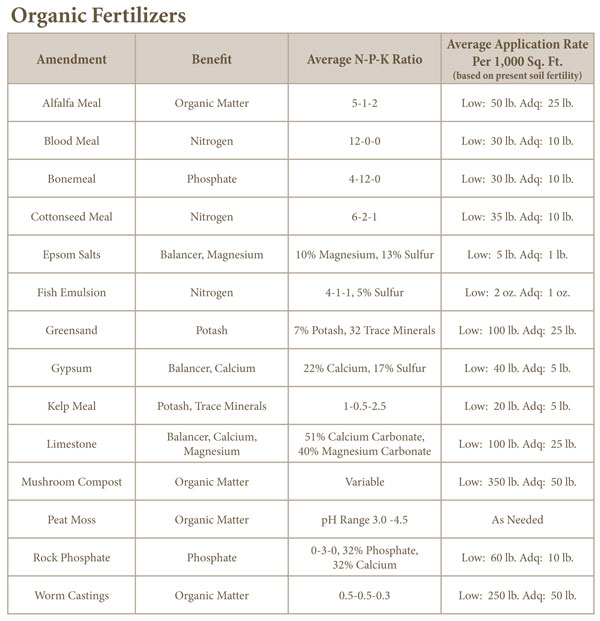
Soil amendments fall into two basic categories, inorganic and organic. Inorganic amendments come from non-living materials such as sand, perlite, vermiculite and crushed stone. With the exception of limestone and gypsum, which are used to increase soil calcium, these are not commonly used in the garden.

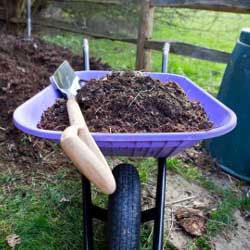
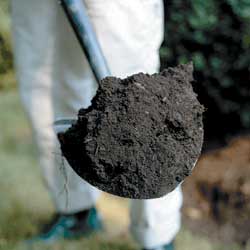
However, organic amendments are the opposite. They come from previously living materials such as peat, manures and composts. When leaves, bark, peat, animals and animal wastes are mixed together to decompose, compost or “humus” is the final product. Very commonly used, these materials enrich the soil by increasing the air spaces, adding extra nutrients to the soil, improving the absorption of those nutrients and increasing overall soil fertility.

Why You Need Soil Amendments

Excellent soil is not common around most homes. Even if it was initially, house construction and roadwork often removes the good soil and construction equipment compacts the remaining soil. Furthermore, heavy use of the remaining turf – children and pets playing, for example – continues to compact the soil. Chemical treatments, runoff from gutters and downspouts, removal of existing plants, changes in local wildlife – all of these factors can wreak havoc on soil.

Adding organics loosens compacted soil and results in better gardens. Incorporate organics into the beds throughout the year by working evergreen needles, leaves and lawn clippings into the soil. Amendments such as peat or lime can improve a pH problem, if one exists. Calcium and magnesium deficiencies can be corrected using organic materials such as bone meal or wood ashes, or inorganic materials such as limestone, gypsum or soft rock phosphate.

Mulching is another simple way to add biodegradable materials to the soil. Simply place mulch around the plant, leaving several inches bare closest to the stem to discourage insect invasions and rot. In addition to slowly providing nutrients as it decomposes, mulching is attractive, reduces weeds and erosion, maintains soil temperature and prevents “crusting” that occurs when soil becomes too dry.

Another advantage of adding organics is the attraction of worms. They further assist in the decomposition, increase aeration and leave worm castings, a valuable organic material, behind. A healthy garden is home to many worms, and it all starts with adding organic soil amendments.

Whether you opt for organic or inorganic soil amendments, if you use them properly, you soil will improve and your landscaping, flowerbeds and garden will look better than ever.

Rose Care Basics

Beginners often become confused with the many recommendations and suggestions for growing roses. However, it is important to start with the basic guidelines for successful rose growing. Roses can thrive under many conditions, but they are sure to grow better, with more luxurious blooms and fewer problems, when you follow the basics. 

Prepare the Soil 

The proper soil is essential to nourish roses so they can grow to their full potential. To make the soil ideal for roses… 

  1. Take a soil sample to test the pH, either with a home testing kit or through your local extension service. Roses like a pH of 6.0 to 6.8. You may need to add lime to raise the pH or sulfur to lower it to the optimum rose range.
  2. Incorporate composted cow manure or other healthy compost into the soil. This will provide superior drainage and excellent organic material for roses to absorb.

Planting Roses

If they aren’t planted properly, roses won’t thrive as well as they could. Improper planting could even damage roots and destroy a rose bush. 

  1. Select a sunny spot with good soil drainage – roses require at least 6 hours of full sun daily. Early morning sun is preferred because it dries the leaves, which helps prevent disease.
  2. Dig a wide, shallow hole that is 2-3 times as wide but not quite as deep as the root ball (about 1 inch shallower). The plant should sit on solid ground so it doesn’t sink when the soil settles.
  3. Remove the plant from the pot and loosen any circling roots. If you can’t pull the roots apart, use a knife to make 4-5 vertical cuts in the root ball. This will allow new roots to grow out into the surrounding soil as the plant becomes established.
  4. Place the plant in the hole slightly elevated above ground level. Backfill with soil until the hole is half full.
  5. Soak the root ball with a mixture of a Root Stimulator & Transplanting Solution.
  6. Fill the rest of the hole with soil and water thoroughly. Apply mulch to a depth of 2 inches, being careful not to mound mulch against the trunk of the plant, which could encourage rotting or insect damage.

Pruning Roses 

To look their best, roses must be properly pruned. This can be intimidating for rose-growing novices, but once the basics are mastered, the techniques for pruning roses are not difficult. 

  1. In spring, remove winter mulch when new grow appears. Prune out all dead wood and twiggy growth and cut back to sound wood with a clean slanting cut, just above a good bud eye.
  2. During the growing season, remove fading roses promptly, cutting just above a five-leaflet leaf. This will help encourage reblooming on many cultivars, and will help prevent rot or disease infestation.
  3. To winterize, remove all fallen leaves and debris from the base of the plant, cut back to 10-12 inches after the ground freezes, then apply a mound of mulch over the canes to protect them from temperature shock. 

Food and Water 

Roses need the proper nutrition – water and fertilizer – to bloom well and develop stunning colors and fragrances. 

  1. Roses thrive best when given 1 inch of water weekly. A thorough soaking from rain or hose will keep roses blooming all season. Try not to overhead water unless it is early in the day, as the damp leaves can promote disease.
  2. Fertilize monthly with Espoma Rose-tone or similar products specially formulated for the nutritional needs of roses.

Treat for Disease and Pests 

There are times when roses will succumb to diseases and pests. Quickly recognizing these problems and treating them properly will help minimize outbreaks that can damage several rose plants at once. 

  1. Fungus diseases cannot be cured, so a regular spraying schedule is very important. Keep an eye on plants that were infected last year and spray with a fungicide to prevent outbreaks this year.
  2. You may also need to use an insecticide for severe insect problems. Minor problems can be handled with less harsh methods, but diligence will be necessary to keep pests from taking over the rose bushes.
  3. Many rose lovers find it convenient to use an all-purpose insect and disease spray once a week or a systemic control every 6 weeks.

It may seem like a lot of work to cultivate roses, but when you wander through your rose garden or see your favorite rose bush in full bloom, that effort will be well rewarded.

Spraying the roses

rose new budding

Garden Fence, Pink Roses

New Shrub Raspberries

Rejoice! You no longer need hedgerows, trellises or complicated stakes to grow succulent raspberries. You won’t need armor-like gloves either. Now you may grow thornless raspberries in your garden or in containers on your patio, deck or front porch.

Introducing Raspberry Shortcake™

Developed in Oregon after decades of intense breeding for the most desirable plant characteristics, Raspberry Shortcake™ (Rubus idaeus ‘NR7’) is the first truly dwarf raspberry. Growing just 2 ½ to 3 feet tall with a compact, mounding shape, it is covered with full-sized sweet raspberries from mid-summer through fall. Deciduous in the winter, it produces new canes in the spring to bear even more fruit. It is self-fertile so does not require multiple plants to bear fruit, but its size, appearance and juicy berries are too good to plant just one.

Planting Your Raspberry Shrub

Well-drained, rich soil produces the best and most abundant fruit from these shrubs, and neutral pH (7.0) is preferred. If planting in a container, be sure to use a potting mix especially for containers to ensure adequate nutrition to the plant. If planting in the landscape, choose a location in full sun with moderate room suitable for some spreading, such as bordering a hedge or along a walkway that will help guide the growth and expansion. Water regularly for plump, juicy berries. A well-balanced fertilizer in early spring and summer increases plant vigor and production.

Pruning is simple, just remove the oldest canes after fruiting and enjoy the fruits on the new ones in spring. Avoid trimming away new growth, or you may miss out on future harvests, but any dead canes can easily be pruned away to keep the plant healthy and productive, as older canes will not produce new fruit.

Protecting Your Berries

It is important to note that these berries can be just as irresistible to birds and other backyard wildlife as they are to gardeners of all ages and abilities. To protect the berries so there are some left for you to enjoy, it may be necessary to use netting or other types of covers over the shrubs after the berries first appear in the summer. After the fruiting is finished, the covers can be removed.

Raspberry Shortcake™ is so simple, safe and easy, it doesn’t matter what color your gardening thumb may be, what experience you have harvesting berries or even if you’ve never grown anything to eat before – even young children can grow and harvest these mouth-watering raspberries with ease!

Beetle Mania

It’s hard to forget the years that we’ve been plagued with Japanese beetles. These ravenous creatures can destroy your lawn, garden and good nature in one season by eating away precious time and money invested in our landscapes. As they know no boundaries, Japanese beetle control methods are most effective if neighborhoods band together in their efforts. So, rally the troops! 

Identification & Damage 

Japanese beetles are a problem at two stages of their life cycle: larvae and adult. The larvae, called grubs, are actively feeding from August through October and again in April through May. It is during this time that the grubs are closest to the soil surface feasting on plant roots, especially grass roots. A heavy grub population will result in dead patches of turf that can be lifted like a carpet. Japanese beetle grubs are 1 ½” long, C-shaped and white with a brown head. When gardening, you will almost always find some grubs in the soil. Small populations of grubs can be present in the soil without significant damage to the lawn. If you notice more than a dozen per square foot, however, this constitutes a problem that should be dealt with. 

Adult Japanese beetles have a hard-shell body that is about ½ inch long. They are metallic-green and copper-colored. At this stage, beetles can decimate a plant in record time by skeletonizing the leaves – nibbling off all the foliage between the veins. Adult beetles start to emerge from the soil with a frenzy of feeding, mating and laying eggs. You will find adults feeding in groups in full sun, and they feed on over 300 different species of plants. These insects maintain this frantic level of activity through the first half of August. The females lay their eggs on the ground. When the eggs hatch they dig their way into the soil to feast on plant roots in preparation for winter. As soil temperatures decrease the larvae move deeper into the soil only to resurface and feed on plant roots again in spring. 

Beetle Control Methods 

There are several methods to control both Japanese beetle grubs and adults, some environmentally-friendly and some more harshly chemical. Always read pest control labels in their entirety even if they are listed as organic or environmentally-friendly. These labels are meant for the protection of you, your plants and the planet. 

Environmentally-Friendly Adult Beetle Control 

Effective options for controlling adult Japanese beetles with the least harm to plants and the landscape include… 

  • Manual Removal – Pick off and destroy the feeding adults even if you see just a few. Japanese Beetles produce pheromones that will attract many more to your property, so it is best to pick them off and destroy them right away.
  • Use Non-Attractive Plants – If you have a shade garden you will not have a problem with Japanese Beetles. In sunny areas, choose plants that beetles don’t like.
  • Trap – Pheromone traps lure adult beetles, sometimes hundreds a day, and trap them in a disposable bag. Replace the bag as necessary. Place trap at least 20 feet from the plantings that you are trying to protect to lure the beetles away.
  • Row Covers – Floating row covers of reemay fabric may be placed over plants to avoid beetle damage by keeping the beetles from accessing the plants.
  • Pyrethrins – These insecticides are naturally derived from the pyrethrum daisies. Pyrethrins attack the insect’s central nervous system, producing a rapid knockdown. The residual effect, however, is only 5 days, so several applications may be needed to control severe infestations.
  • Insecticidal Soap – This soap is a contact kill with no residual control, but can be useful for smaller infestations or few beetles.
  • Neem Oil – This oil is an organic control that repels Japanese beetles. Spray early in morning or on an overcast day. Because neem is an oil, you may burn plant leaves if spraying in full sun. 

Chemical Adult Beetle Controls 

When using any chemical controls, read the product label completely and follow application instructions meticulously. It is a good idea to use a spreader sticker so that the chemical will adhere to the plant for the greatest effect. Popular chemical options to control adult Japanese beetles include… 

  • Sevin – This chemical is absorbed through the skin and will kill beetles on contact. It has a 7-10 day residual effect but must be reapplied after a rain. Consult label for recommended time that fruit and vegetables may be consumed after application.
  • Pyrethroides – Synthetic pyrethrin-like insecticides kill on contact and have an 8-10 day residual effect. Fruits and vegetables may be consumed in a shorter time period after application than Sevin.
  • Acephate – This systemic control works by poisoning the plant. The insect dies when the plant is ingested. Must not be used on edibles.
  • Malathion – This chemical must be ingested by the insect, however, this product may be used on edibles. Check label for number of days between last application and safe harvest.
  • Imidacloprid – Sold as a liquid form of Merit, this product is systemic and must be applied at least 20 days before anticipated adult Japanese beetle feeding. Only one application is needed per year. Use only on ornamentals.

Environmentally-Friendly Grub Control 

For truly effective Japanese beetle control, it is also necessary to control the grubs. This can be done in a number of environmentally-friendly ways, such as… 

  • Milky Spore – This biological control effects only Japanese Beetle grubs. Once this bacteria is established it can last in the soil for up to 20 years. It is completely harmless to people, pets, birds, fish and beneficial insects. Apply anytime the ground is not frozen.
  • Beneficial Nematodes – These microscopic worms kills grubs by feeding on, and reproducing in, the grub’s body. This is an excellent choice for a vegetable garden and should be applied after the soil is warm. Late summer/early fall application is best. 

Chemical Grub Control 

Chemical controls can also be effective at minimizing the harm from Japanese beetle grubs. Good options include… 

  • Merit – The granular form of this chemical is a systemic, season-long grub control with a 4-month residual effect, though it must be ingested by the insect. It is applied 3-4 weeks before grubs are actively feeding, mid-May through mid-June. Must be watered-in within 24 hours of application.
  • Dylox – This compound is absorbed through the grub’s ‘skin’ and will kill within 24 hours of application. Use only in late summer through early fall while grubs are still close to the soil surface. Must be watered in. It is active for up to 7 days in the soil.
  • Sevin – In its granular form, Sevin is a contact kill and will not remain active in the soil longer than 7 days. This product is used most effectively from mid-August through mid-October. Must be watered in.

With so many options for effectively controlling these pernicious insects, there is no reason why you need to keep being bothered by Japanese beetles. Once you know more about these insects and their habits, you can easily keep them away.

beetle-mania-2

beetle-mania-1

Green Gardening

Planting a vegetable or flower garden seems like the perfect thing to do when you are looking for ways to adopt a greener, more environmentally-friendly lifestyle. Some traditional gardening practices, however, may not be quite as “green” as you might think. Planning your gardens with the environment in mind and choosing some practices that maintain healthy ecosystems can help you create a truly “green” garden. 

Tips for a Green Garden 

There are easy, effective steps you can take in your garden to go green, including… 

  • Plant local and native species of trees and shrubs which are naturally adapted to the conditions in your area, thus requiring less watering and having natural defenses for local insect pests and plant diseases.
  • Collect rainwater for watering your container gardens and new transplants, and adjust your irrigation schedule to compensate for whenever Mother Nature does the watering for you.
  • Use organic compost and mulch to improve soil health and reduce the need for pesticides and fertilizers. Better yet, make your own compost so you can adjust it to exactly what your plants need while keeping more waste out of landfills.
  • Opt for disease-resistant and pest-resistant plants rather than trying to force plants into an unfriendly area where they will need chemical assistance and extra maintenance to thrive.
  • Try to use natural products instead of chemical fertilizers and pesticides. Use traps, parasites and natural predators such as ladybugs and lacewings. Plants that repel insects – basil, chives, mint, marigolds or mums – mixed in with other plants can help keep pests away.
  • Choose wildlife-friendly plants such as flowerbeds that will attract hummingbirds, butterflies, bees and other pollinators, and don’t be upset to share some of your garden space with other critters.

These are just a few of the simple changes you can make in your gardening practices that will benefit the environment.

Green Products 

More and more “green” products are readily available to help you maintain the natural health of your garden. Before using a product, however, be sure it is suitable for your situation, and follow all application and use instructions. Even organic or eco-friendly products can become toxic contaminants if they are improperly used.

Popular options for green gardening products include… 

  • Dr. Earth contains probiotic beneficial soil microbes, plus ecto- and endo- mycorrhizae which feed the fiber of the living soil by releasing natural organic matter. People and pet safe.
  • Dr. Earth pest controls are organic controls for all of your pest problems, including all types of unwanted or troublesome insects. People and pet safe.
  • Espoma Organic Traditions line of products includes bone meal, kelp meal, garden sulphur, potash and garden lime for helping to improve your soil without artificial chemical compounds.
  • Bonide offers organic fertilizers as well as organic formulas for pest and plant disease control, such as fruit tree sprays.
  • Scotts Organic Choice lawn care products provide more environmentally friendly choices for your yard.

Developing “green” gardening practices benefits you and your family, your garden, your native plants and animals, your water supply – our world, all of us.

SONY DSC

Succulent Container Garden

Have you noticed how a container garden can really jazz up a front entryway, back deck or porch? Perhaps you’ve thought twice about including this addition to your plantscaping because you just don’t have time every day to water.

Cheer up! You can plant a container with succulents (plants with fleshy or thickened leaves, stems or roots) and you will not have to worry about watering frequently. Succulent container gardens are relatively carefree, and they’re so easy that you don’t have to limit yourself to just one. If one container makes a statement, several will create a conversation!

Succulent Container Garden Tips and Tricks

To have the greatest success with your new succulent container garden, consider…

  • Exposure
    Full sun is a must for all succulents and will help show off their subtle colors and textures. If your viewing location has less than adequate sun, place your succulent garden in a full sun area for the majority of the day and move to your desired location when you have company or time to enjoy it yourself. Remember to move it back out into the sun when company leaves.
  • Containers
    Because succulents do not have extensive root systems, your chosen containers may be shallow. Too much soil can hold excessive water causing the succulent’s roots to rot. Perhaps a strawberry pot would make the perfect focal point at your front door, and many front doors look great with a single shallow round planter sitting on the stoop. If you have several steps to the door, try a pot on each step. How do you want your front entrance to say “hello”?
  • Height
    Think about varying the heights of your containers. Perhaps your containers will require a pedestal or something else for elevation. This could be an inverted pot, a table, shelf or even pot feet. You may even consider hanging your container for elevated elegance. Whatever you choose, it’s important to remember succulents require excellent drainage. Therefore, the containers must have holes.
  • Soil
    All succulents need fast draining soil. Pre-mixed soil is available that is specifically blended for succulent container plantings. You may also use a general all-purpose potting mix and add perlite, coir or sand to increase the drainage sufficiently.

Plants for Your Succulent Container Garden

When making your plant selection, it is fun to let your imagination go wild and embrace the full range of amazing succulents available. As a good container gardening rule of thumb, Use a thriller (something stunning to catch the eye), a filler (a sturdy, reliable choice to fill in bare spots) and a spiller (a trailing plant to blur the container edges) and you’ll never go wrong.

Succulents come in an extensive variety of colors, striking shapes and varying sizes. As when planting any container, evaluate plant color, texture and shape when making your selections. You may feel overwhelmed when choosing your plants. If you can’t decide, here is a simple “recipe” for planting one 16″ container to be seen from all sides. Maybe it will give you some ideas:

  • 1-thriller (Euphorbia tirucalliSticks on Fire‘) planted in the middle.
  • 3-fillers (Kalanchoe blossfeldiana) to surround the thriller and provide texture or color contrast
  • 5-spillers (Sempervivum arachnoideum) to drape over the container’s edge.

As an extra bonus, many succulents bloom, adding extra unexpected beauty. Blooms can be few and far between, however, but they will be exciting and rewarding when they are spotted.

The Importance of Topdressing

After planting, gently brush off any residual soil from the succulents’ leaves. Add more interest by topdressing the container. This is a layer of material will give your container garden a finished appearance. Desert type plants look great with a thin layer of light tan-colored gravel or red lava rocks. Create sparkle with sea-glass toppings or add a clean, contemporary look to Zen-like or Asian inspired plantings with smooth black river stones. Other popular top dressings include glass marbles, colored aquarium gravel or tiny seashells. You might even add a fairy garden surprise in the container, such as a miniature hut, hidden gnome or other quaint character who will call your succulent garden home.

Most importantly, have fun!

succulent-2succulent-3

succulent-1