
Monthly Archives: January 2026

7 Reasons to be growing ‘Blackhawk’ Bluestem Grass

1.It’s a Native—Refined for Today’s Gardens

‘Blackhawks’ Andropogon is a nativar—a carefully selected cultivar of Andropogon gerardii (Big Bluestem), a grass native to Maryland and much of North America.

That means it brings the ecological benefits of a native plant—resilience, adaptability, and wildlife value—while offering enhanced ornamental traits like richer color and a more refined habit.

It’s the best of both worlds:
nature’s wisdom, designer polish.

2. It Delivers Show-Stopping Color Without a Single Flower

Who says flowers get all the attention?

‘Blackhawks’ foliage evolves beautifully through the seasons:

  • Fresh green in spring
  • Deep wine and purple tones in summer
  • Nearly black foliage by fall

Backlit by the sun, brushed by wind, or kissed by frost, it looks like living art—adding drama and depth without deadheading or constant care.

3. It Adds Structure That Elevates the Entire Garden

Great gardens have bones—and ‘Blackhawks’ provides them.

Its strong, upright form brings vertical architecture that anchors planting beds and gives landscapes intention. It pairs effortlessly with softer, rounded plants, making everything around it feel more designed and cohesive.

Use it as:

  • A bold backdrop in mixed borders
  • A repeating element along walkways
  • A statement plant in naturalistic or modern designs

4. It Looks Incredible in Every Season

‘Blackhawks’ doesn’t have a short moment—it has a long performance.

  • Spring: Clean, upright emergence
  • Summer: Movement and deepening color
  • Fall: Peak drama with dark foliage
  • Winter: Textural interest when left standing

Even dormant, it adds beauty and structure to the winter garden.

5. It’s Tough, Reliable, and Low Maintenance

This plant works as hard as it looks good.

Once established, ‘Blackhawks’ is:

  • Drought tolerant
  • Heat loving
  • Deer resistant
  • Long-lived and dependable

Plant it in full sun, give it room to grow, and simply cut it back in early spring. That’s it.

6. It Supports Wildlife and Natural Systems

As a native-derived grass, ‘Blackhawks’ contributes to a healthier landscape.

Its roots improve soil structure, while its seed heads can provide food and shelter for birds. It fits beautifully into pollinator gardens, meadow plantings, and eco-conscious landscapes—without sacrificing style.

7. It Pairs Beautifully with Garden Favorites

One of the greatest strengths of ‘Blackhawks’ is how well it plays with others.

Stunning pairings include:

  • Coneflowers for soft, meadow-like contrast
  • Rudbeckia or Coreopsis for golden brightness
  • Sedum for rich late-season color
  • Russian Sage or Catmint for airy movement
  • Ninebark or Smokebush for layered drama

No matter your style—natural, modern, or classic—this grass belongs.

A Perennial Worth Building Around

‘Blackhawks’ Andropogon isn’t just a plant you tuck into the garden.
It’s one you design around, season after season.

Native at heart.
Bold by nature.
Chosen for a reason.
‘Blackhawks’ Andropogon 2026 Perennial of the Year

A Natural Work of Art in the Landscape

‘Blackhawks’ Andropogon grows with a strong, vertical habit—never floppy, always architectural. It brings structure, movement, and depth to gardens in a way few plants can.

Use it to:

  • Anchor a modern landscape with clean lines and bold contrast
  • Add drama to naturalistic and prairie-style gardens
  • Create a stunning backdrop for flowering perennials
  • Line walkways or driveways for a sense of rhythm and repetition
  • Stand alone as a statement plant in mixed borders or large containers

As the wind moves through its blades, the garden feels alive—whispering, shifting, and ever-changing.

The Magic of Pairing: Plants That Make ‘Blackhawks’ Shine

This grass truly comes alive when paired with the right companions. Think contrast, texture, and glow:

🌼 Golden Rudbeckia or Coreopsis

The bright yellows pop dramatically against the dark foliage.

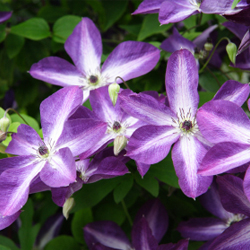
💜 Echinacea (Coneflowers)

Soft pinks, purples, and whites create a meadow-like elegance.

🔥 Sedum ‘Autumn Joy’ or ‘Firecracker’

Late-season color echoes the richness of ‘Blackhawks’ fall tones.

🌾 Little Bluestem or Switchgrass

Layer grasses for a sophisticated, prairie-inspired look.

🌸 Russian Sage or Catmint

Airy, silvery blooms float beautifully beside the grass’s bold form.

🌿 Shrubs like Ninebark or Smokebush

For landscapes craving depth and drama, this pairing is unforgettable.

Tough, Reliable, and Beautiful

Beyond its beauty, ‘Blackhawks’ Andropogon is a hard-working plant:

  • Thrives in full sun
  • Drought tolerant once established
  • Low maintenance
  • Deer resistant
  • Long-lasting winter interest

It’s the kind of plant that looks designer-chosen but grows effortlessly.

A Plant for Gardeners Who Dream

‘Blackhawks’ isn’t just something you plant—it’s something you experience. It changes with the seasons, catches the light, and gives your garden a sense of intention and artistry.

If you’re ready to elevate your landscape and plant something truly unforgettable,

this is the one.

Getting Tools Ready for Spring

Did you clean, sharpen and store your gardening tools properly last fall when you stopped gardening?

Hopefully, you did, but if you didn’t, it’s not too late. Spring is just around the corner, but there’s still time to get these essential chores done and be ready to jump in to all your gardening and landscape work when spring arrives.

  • Assemble Your Tools
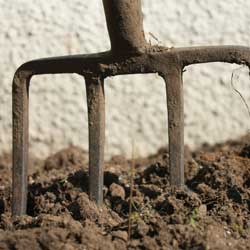
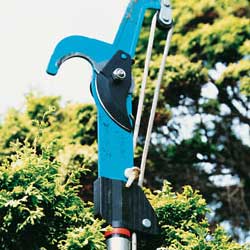
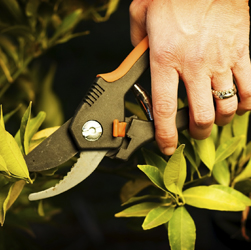
    Round up the shovels, hoes, rakes and picks. Gather the hand tools such as pruners, loppers, saws, cultivators, weeders and all those little special gadgets you use. If they are all in one place, you can clean and care for them assembly-line style to make the task easier and less overwhelming.
  • Washing Tools
    Fill a bucket or sink with sudsy water. Combine some elbow grease with some rags, a stiff wire brush, steel wool and small toothbrush and wash off all accumulated mud and dirt. Remove sap from pruners and loppers using rubbing alcohol, turpentine, paint thinner or other solvent. Be sure to clean the handles. Towel dry each tool carefully.
  • Handle Care
    How do the wooden handles look and feel? To prevent splinters, lightly sand and apply a protective coating of boiled linseed oil. (Boiled, not raw, as raw won’t dry.) This is also a good time to apply brightly colored rubberized paint to hand tool handles. Not only will this improve the grip but makes it easier to find the tools when Ieft in the garden. If any handles are so worn or damaged that they need to be completely replaced, this is a good time to do so.
  • Remove Rust
    Get the rust off using sandpaper, steel wool and/or a wire brush. For difficult rust, you may need to attach a wire wheel to your drill. Safety googles are necessary eye protection when using a power tool for cleaning. Afterwards, coat the metal with a thin layer of oil such as WD-40, machine or 3-in-One oil to prevent new rust from forming.
  • TIP: To prevent rust, make an “oil bucket” and keep where you store your tools.
    • Half-fill a 5-gallon bucket with coarse sand such as builder’s sand
    • Pour in a quart of oil (used motor oil is fine)
    • Mix until all of the sand is lightly moistened
    • After using a garden tool, plunge the tool into the bucket several times to thoroughly remove soil and thinly coat the metal surface with oil
  • Sharpen Blades and Edges
    Check the edges and moving parts of the tools. To sharpen shovels, spades and hoes, fasten in a vise and use a hand file to restore the same original bevel angle, usually between 40-70 degrees. Use a fine grit grinding stone along the back edge of the tool to remove the burr created by the file. Wipe the metal surface with machine oil. Don’t forget to sharpen hand pruners and loppers as well, and use machine oil to lubricate the moving parts of different tools. Note: If you aren’t equipped to sharpen your tools yourself, take them to an appropriate expert to be sure they’re sharpened safely and correctly.
  • Check Tool Storage
    Now that you tools are ready for work, where will you keep them until spring arrives? Check hooks, stands, toolboxes and other gear where you keep your tools and be sure they are stored safely and securely while still being easy to find and reach whenever you need them.

Now, you – and your tools – are ready for spring. 

ToolsReadyforSpring_1ToolsReadyforSpring_2

ToolsReadyforSpring_3

ToolsReadyforSpring_4

Rotating Your Vegetable Crops

Whether you just plant a few tomatoes, herbs and some lettuce or an elaborate garden complete with exotic selections of lesser known veggies, you’ll want to rotate your crops each year. All types of vegetable crops – brassicas, onions, legumes and root crops – require a slightly different blend of nutrients and trace elements, even if their light and water requirements are similar. If you always grow your tomatoes in the same place, eventually the soil will become exhausted of the nutrients that tomatoes require the most, and the crop will become weaker and less productive. Meanwhile, another vegetable could easily thrive in that location and its growth would help replenish the nutrients that tomatoes may need in future years. If you rotate crops in and out, you’ll enrich the soil and enjoy larger, more productive, more flavorful harvests.

The easiest way to rotate your vegetables is to use a 3-year plan. First, you’ll need to decide which vegetables you plan to grow, then divide them into these three main groups:

Group 1:
Peas
Beans
Celery
Onions
Lettuce
Spinach
Sweet Corn
Tomatoes
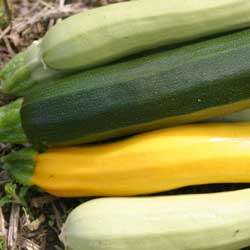
Zucchini

Group 2:
Cabbage
Cauliflower
Broccoli
Kohlrabi
Rutabaga
Turnip
Radishes

Group 3:
Beets
Carrots
Parsnips
Potatoes

It’s all right if you don’t plant to grow vegetables from each group. Simply adjust your rotation plan to compensate, or even consider trying out a new vegetable to complete the rotation and expand the variety of your garden.

Next, draw a plan of your garden and mark where each group of plants will go, keeping in mind the light and watering requirements of different varieties. It may help to sketch out the boundaries of each group, noting which plants are part of which rows, boxes, containers or beds. Keep those notes and sketches in your garden journal, and also take notes throughout the growing season about which plants perform best and which may be struggling. Next year, move the plants accordingly to shift where different crops are located. If you choose to add new vegetables to your garden, start them in the location with their appropriate group and bring them right into the rotation scheme.

As you rotate crops each year, you will notice consistently lush, healthy plants, bountiful harvests and delicious produce. After a few growing seasons, rotating your vegetable crops will be second nature and will be an important part of your gardening plan to ensure only the best comes from your garden.

rotating-crop-1

rotating-crop-4

rotating-crop-3

rotating-crop-2

Attracting Birds to Your Garden

One of the benefits of a garden is the wildlife it attracts, and birds are some of the most popular garden wildlife. Most birds are voracious eaters that are glad to keep the insect population down, and may eat 500-1,000 insects in one afternoon. This makes them ideal for natural (and free!) pest control. Anything you can do to attract birds will make your garden healthier and you’ll be entertained by their feeding antics along the way.

Fortunately, it is easy to attract birds to your garden if you meet their needs for food, shelter, water and overall habitat variety.

Food

While birds will certainly eat insects and may munch on seeds, berries and fruits in the garden, consider placing a variety of bird feeders in your garden to entice even more birds to visit. Platform feeders attract ground birds, hanging feeders are for perching birds and suet holders attract insect-eating birds. Suet is especially important during the winter as this helps birds maintain their body temperature by adding fat to their diet. Hang plastic mesh bags of suet or pinecones dipped in suet (or peanut butter) from the limbs of trees.

For your other feathered guests, white millet and black oil sunflower seeds will attract the most common seed-eating birds and can be sprinkled directly on the ground or added to feeders. Add other species-specific seed like Nyjer (thistle) seed (to attract goldfinches, pine siskins and purple finches) or peanuts (to attract chickadees, jays and tufted titmice) to your buffet. Various gourmet seed mixes are also available like Lyric Supreme, Delight, Chickadee, Woodpecker and Finch Mixes, each of which is blended with specific birds in mind and includes the foods those birds like best.

Shelter and Nesting Sites

Birds feel more secure if they have shelter to protect themselves from the weather and other predators. Plant native trees and shrubs birds will easily recognize as suitable shelter. If your landscape is young and doesn’t include much shelter for birds, don’t worry. Consider building a brush pile or adding a loose woodpile to the yard and birds will happily take advantage of it.

You may also want to add nesting boxes or bird houses and other materials for birds to raise their young. This should be done in late winter or early spring just as birds are beginning to look for nesting sites. Clean houses or boxes after each nesting season.

Water

One of the most important things to include in your bird-friendly garden is water. This is especially true during the winter months. Use a bird bath heater to keep water from freezing. Ideal water sources are 2-3 inches deep and 3 feet off the ground to keep visiting birds safer from prowling predators. Moving water is a magnet for most birds and will attract them from great distances for a drink or bath. A mister, dripper or circulating pump can be added to a bird bath or other water feature during most of the year, but take care to winterize the equipment properly so it does not freeze and break during the coldest months.

Habitat Variety

Because birds live in many different habitats, the variety of plant material you can offer in your backyard will determine how many birds are attracted to your garden. Consider native plants, plants with berries, fruits, sap and nectar for year-round food sources as well as nesting materials. Plan your landscape in tiers and flowing, connected beds so birds can move around easily, and include a variety of both deciduous and evergreen plantings so birds can find the habitat useful year-round.

We carry a complete line of bird feeders, houses, seed mixes and suets as well as garden accents; all the accessories and plants you will need to start attracting birds to your backyard. Stop by today!

atracting-bird-1

Tooling Around in the Garden: Selecting and Caring for Garden Tools

Let’s face it – purchasing a new garden tool is usually not the first thing on your mind when you visit your friendly neighborhood garden center. Most of us tend to gravitate toward the latest and greatest herbaceous eye-candy without considering whether we have all the equipment necessary to prepare and care for it. The right tools, however, are critical to keep all your plants in top condition, and selecting quality garden tools is no simple matter. You want one that meets your needs, is available when needed, is easy on you, is long lasting and is not too expensive or too hard to maintain.

Choosing a New Tool

With so many tools on the market, choosing one that meets your needs can be a daunting task. First consider what type of work you will be doing, and what tools are required to accomplish your goal. Choosing the right tool for the job will make the work easier and more efficient. If you’re not sure, ask – our employees will be happy to assist your selection.

When you find a tool you are interested in, before you buy it, try it! Basic tools in new designs are available to the consumer every year. Those that are ergonomically designed, to align with the natural mechanics of our bodies, are meant to lessen the stress on muscles and joints as we garden. So pick up the tool and see how it feels in your hands. Make sure the weight and size are well suited to your strength and frame. Does it feel comfortable as you simulate the way it will be used? If it feels awkward, you will not be able to use it properly and may be tempted to neglect your garden chores instead.

Caring for New Tools

When you find a tool that meets your needs and is comfortable, you will want to have it around for a long time. Plan to purchase the highest quality tools that your budget will allow. If you purchase tools simply because they are the least expensive, chances are they will not last, and you will eventually spend more money to replace them.

Proper care and storage will add to the longevity of your garden tools. Hose off tools to remove soil and chemicals after every use. Allow tools to dry thoroughly before storing. For hardened soil, use a wire brush. Occasionally cleaning metal surfaces with oil will help to keep tools lubricated and prevent rust. Keep all moving parts oiled as well to enhance performance. Oil wooden handles at least twice a year with linseed oil to help prevent drying and splintering. For ease of use, keep tools with cutting surfaces sharp by filing them as often as needed. Check frequently and tighten any loose screws and bolts. Store all garden tools in a dry place with tool surfaces off the ground.

Every garden tool you own is important to the health, beauty and productivity of your garden and landscape. Be sure you choose the best tools and maintain them well to make the most of all your gardening.

Tomato plant and garden tools

selecting-tools-1

Bird Feeding 101: Low Maintenance Suet Feeding

Suet is a high-energy brick of animal fat and other ingredients to attract insect-eating birds. Because it is high in fat and calories, it is a quick source of heat and energy for birds and has been used as a good substitute for the insects that birds usually feed upon, but are not plentiful in cold weather. Suet can be offered all year long but is especially important in winter. Why not offer suet to your backyard birds today?

Easy Suet Feeders

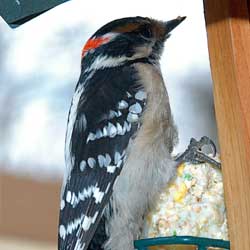
Providing suet in a wire basket or mesh bag is an easy, low-maintenance option. Depending on the numbers of birds feeding in your yard, you may only need to add a new cake or ball to the basket or bag once or twice a week. Birds will cling all over the feeder to access the suet, so even as the cake is nibbled away they can still reach the treat. While suet may be most popular in winter, you can leave it in your yard year round and birds will always visit, so there is no need to swap out the feeder or store it during different seasons. Another popular option is a suet log – a simple length of wood with 2″ holes that will fit suet plugs. Birds happily cling to the wood as they feed, as it mimics their natural feeding habitat. For the safest feeding, position any suet feeder 5-6 feet off the ground and near a tree trunk, shrubs or brush for birds to retreat easily if they feel threatened.

It is important to note that squirrels may love suet just as much as birds. Using wide baffles above and below the suet feeder can help keep squirrels away from the food and give birds a better chance to feed without interference. Choosing suet blended with hot pepper can also discourage squirrels, but birds have very limited taste buds and don’t mind the heat.

Birds That Love Suet

Presenting suet in your backyard will also attract a greater variety of birds for your enjoyment. The different birds that enjoy suet include…

  • Bluebirds
  • Bushtits
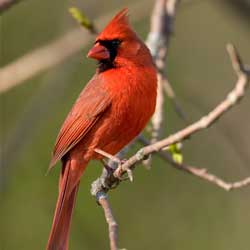
  • Cardinals
  • Chickadees
  • Jays
  • Kinglets
  • Mockingbirds
  • Nuthatches
  • Starlings
  • Titmice
  • Thrashers
  • Woodpeckers
  • Wrens

As more birds discover your suet feeder, your flock will grow and you may find you need to add a second, third or even fourth feeder to sate all those feathered appetites!

low-maintentance-suet-2

low-maintentance-suet-3

low-maintentance-suet-1

Size Up Your Site: A First Step in Planning Your Landscape

Whether you plan your garden from start to finish or use a professional designer, a few simple steps can help you assess your property’s potential to develop the landscape of your dreams. By getting involved in the landscape design process, you can address practical problems, structure your outdoor living space and develop a plan that will reflect your taste and lifestyle.

Surveying Your Site

Every yard, garden and landscape site will have differing light conditions, grade changes, varying soil conditions and existing plants and structures to consider when planning changes and expansions. Using a loose-leaf binder, take notes on each of the following:

Overall:

  1. What are your favorite spots in your yard and why? What your least favorite and why?
  2. In landscapes, do you generally prefer open on enclosed spaces?
  3. What existing plants do you want to preserve, and which do you want to remove?
  4. What is the architectural style of your home? What is your decorating style?
  5. Are you planning any additions to your home that may take away yard space?
  6. Do you want special areas for children, entertaining, pets, recreation, vegetable gardening, water features or composting?
  7. What is your time frame? Do you want a short-term or long-range plan?
  8. Which building materials do you like – brick, wood, stone, pavers, etc.?
  9. Is your outdoor lighting adequate for your use?
  10. Do you need to screen an area for wind, noise or an unwanted view?
  11. What is you landscaping budget (both short- and long-term)?
  12. How will your landscape use change over time, such as when children grow up?

Specific Areas:

  1. What is the light condition of the area? How does it change seasonally?
  2. How is the soil – well-drained, poor, heavy clay, poorly drained, etc?
  3. What are the dimensions of a confined area that could affect plant size?
  4. What are your favorite plants or types of plants?
  5. Would you like a garden accent or other feature in this area (trellis, arbor, sculpture, bench, pond, etc)?
  6. What is the pH and general condition of the soil?

Once you have taken adequate notes, you’ll have a much better understanding about the overall layout of your landscaping site. This can help you plan the best options without making costly or time-consuming mistakes, such as planting the wrong tree that will outgrow a corner in a few years, or choosing building materials that won’t stand up to your climate.

More Tips for Landscape Surveying

You can never have too much information at your fingertips when you are surveying your site for landscaping changes. More techniques that can give you all the information you need include…

  • Photographing your property. Snapshots can reveal what the eye may overlook, and can be useful to show others to get their unique perspectives. Take views from your house and various areas of your property. Include photos from different times of day.
  • Measure everything and mark it on a map. You can use graph paper to create a simple sketch that will show dimensions so you can properly size your landscaping plans.
  • Make a sketch that shows what is existing (plants & structures) and where it is located. This will help you figure out what features you want to preserve, what you may want to expand and what you would rather remove and how the space will change.

Still need help? Bring your information in – we can help you choose the best plants, accents and accessories suitable to your needs, style and budget for the landscape of your dreams!

size-up-your-site

Colorful Clematis – America’s Favorite Flowering Vine

When it comes to flowering vines, few can rival the excellent performance clematis provides with its profusion of colorful blooms, and this plant is largely pest-proof and disease-free. With a few tips, you can successfully grow America’s favorite vine in your garden this spring!

Selecting a Variety

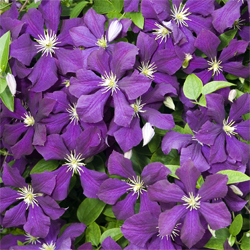
Clematis comes in a wide variety of colors: purple, pink, red, lavender, mauve, blue and white as well as blends of more than one color. There are over 200 varieties in all, and most plants bloom for several weeks in May and June with a few sporadic flowers in fall. Others bloom in summer, and a few varieties flower from late summer into fall.

Choosing a Location

Clematis performs best in a spot that gets at least 6 hours of sun a day – this is especially true with later blooming varieties. They also need moist, well-drained soil. Because clematis climbs by curling or twining leaf tendrils, stalks or stems around a support system, a location with a trellis, arbor or fence is essential to provide adequate structure so the plant can show off its full beauty.

Planting

To give clematis a good start in your yard, dig a hole slightly deeper than the rootball of the plant and twice as wide. Add about one-third Bumper Crop compost or other organic matter to your soil to provide sufficient nourishment. Clematis prefers a neutral pH, so you may need to amend the soil with lime if your soil is acidic.

Without handling too much, plant the clematis rootball slightly above the ground and water well with plant starter fertilizer. Next, add about 2-3 inches of mulch, but keep the mulch away from the stem of the plant so as not to encourage stem rot. This layer of mulch is important because clematis prefers cool, moist roots. The mulch will also discourage weeds while the plant is getting established.

Maintaining Your Clematis

To assure full, healthy plants, you will want to prune your clematis back to about 12 inches the first and second spring. After then, you should refer to specific pruning instructions for each variety. Generally, the following pruning practices should be followed:

  • Type 1: Early Flowering Clematis (macropetala, alpina and montana types) – These plants produce flowers on wood that was grown the previous year and should be pruned within a month after flowering in the spring. Thin out weak or dead branches, lightly prune side branches to 1-2 buds and leave the main branch alone. Train or guide branches as required.
  • Type 2: Early Large-Flowering Clematis – These varieties bloom on the previous season’s wood and on new shoots, blooming from early to late summer. These varieties should have one-half of the previous summer’s growth pruned back in late winter before new growth starts. Remove dead or damaged stems and cut back all other shoots to where strong leaf-axil buds are clearly visible. Immediately after flowering, cut one-quarter to one-third off the main shoots to within a foot or so of the base. Water and feed well. Train or guide new growth as required.
  • Type 3: Late Small- and Large-Flowering Clematis – Cut these types back hard to the lowest pair of strong buds on each stem (usually about two feet) in late winter just as leaves begin to open. These varieties will bloom on wood produced in the upcoming spring months.

Clematis should be fed monthly during the growing season with 5-10-5 fertilizer or in early spring and again in early summer with a slow-release fertilizer. You will also want to check the pH of the soil periodically to keep it neutral, and refresh the mulch as needed to protect the roots. With just a little care and appropriate pruning, these lovely vines will bring gorgeous color and structure to your yard for years.

Variegated Solomon’s Seal

If you don’t already grow variegated Solomon’s Seal in your shade garden, this is the year to start. This charming, visually appealing perennial is similar to hostas, but has its own unique character that will add beauty, texture and interest to your landscape. Furthermore, it is deer-resistant, making it perfect for a yard that may lose a few too many plants to wandering wildlife.

About Variegated Solomon’s Seal

Variegated Solomon’s Seal (Polygonatum falcatum ‘Variegatum’) is a low-maintenance plant native to Europe and Asia. A landscaping favorite for its overall beauty and visual richness, it sports 2-3-foot tall gracefully arching, reddish or burgundy stems. The stems are lined with narrow green leaves streaked in pure white. Beneath the stems, in pairs, from late spring to early summer, drip tiny, fragrant, bell-shaped white flowers. In the autumn, small, round, black fruit replaces the flowers and leaves turn golden yellow. Overall, these clumping plants grow 2-3 feet tall and wide, making them a suitable size for many different landscape designs. As clumps grow, they can be divided every 2-3 years in spring to give you even more of these lovely plants to work with, or you can allow the colony to naturalize in your landscape for a lush carpet of foliage and flowers.

This plant is quite hardy and is not seriously bothered by either insects or diseases, though snails and slugs can be a problem. Leaf spot and rust are very rare problems and easily overcome with diligent care.

Variegated Solomon’s Seal in Your Landscape

These are versatile plants that can do well in any full or part-shade area of your landscape. Add Solomon’s Seal to a woodland garden or shady border, or beneath a broad, spreading tree. This is a great plant to anchor rain gardens, because it likes moist soils and is not overly sensitive to too much water. At the same time, it will also tolerate drought and drier soils, making it an ideal addition to add growth and greenery to rock gardens.

Variegated Solomon’s Seal can look stunning on its own, or adds even more texture and interest when planted with hostas and ferns or when filling in spaces between other shrubs or ornamental grasses. Plant it in fertile, moist, well-drained soil, preferably in fully shade or only minimal dappled sun. Amend the soil with compost as needed, especially while the plants are young. Water well until the plants are established, then enjoy the beauty as this low-maintenance wonder takes good care of itself.