Monthly Archives: June 2025

Perennials for the Cutting Garden

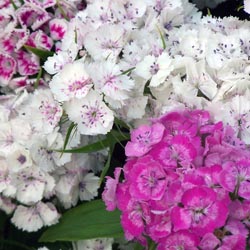
The classic gardener’s dilemma is whether to cut flowers for enjoyment or leave them to look nice in the garden. Often, removing flowers from the border can make it less attractive and leave an unsightly hole in the overall garden design. The cutting garden solves this problem and allows you to grow many plants that have beautiful cut flowers but are less than lovely in the garden. For example, many varieties of carnations have a tendency to flop with their heavy flower heads. The cutting garden offers an excellent place to hold perennials in reserve until you are ready to plant them in the garden, and it is a great place to practice with new perennials.

Planting Perennials for Cutting

Traditionally, the cutting garden has been basically utilitarian with perennials grown in rows like a vegetable garden. But, by growing enough plants (a minimum of three) of each perennial in your garden, you will have plenty of flowers to make the garden more attractive. Plant the tallest flowers so they don’t shade the shorter ones, and consider more natural curves and groupings in your garden so any missing plants aren’t so obvious.

Perennials for Cut Flowers

Many beautiful perennials are ideal for a cutting garden. While you should choose blooms that will thrive in your climate, soil type and yard conditions, these are popular choices that do well in many different areas…

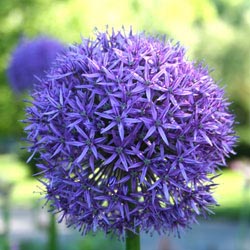
Achillea                                    Aconitum                                 Allium

Anemone                                 Anthemis                                 Aquilegia

Armeria                                    Asclepias                                  Aster

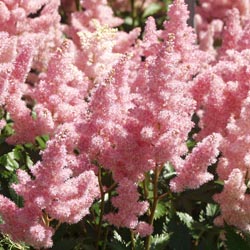
Astilbe                                      Boltonia                                   Campanula

Catanache                                Centranthus                             Chrysanthemum

Convallaria                               Coreopsis                                 Crocosmia

Delphinium                              Dianthus                                  Dicentra

Doronicum                               Echinacea                                 Echinops

Eupatorium                             Filipendula                               Ferns

Gaillardia                                 Geum                                       Grasses

Gypsophila                               Helenium                                 Helianthus

Heliopsis                                  Hemerocallis                            Heuchera

Hosta                                       Iris                                            Kniphofia

Lavendula                                Liatris                                       Lillium

Lobelia                                     Lupinus                                    Lysimachia

Lythrum                                   Paeonia                                    Papaver

Penstemon                              Perovskia                                 Phlox paniculata

Physostegia                              Platycodon                               Rudbeckia

Salvia                                        Scabiosa                                   Solidago

Stokesia                                   Thalictrum                               Trollius

Veronica

Study different cultivars of each type you are interested in, and don’t forget to include greenery as well as blooms to enliven and fill out your cut bouquets.

Tips to Increase the Lifespan of Cut Perennials

While flowers may last longer in the garden, that doesn’t mean they will immediately wilt once they are cut. To make your cut perennials stay plump and fresh for longer…

  1. Cut flowers in the morning or evening when they are most turgid.
  2. Use a sharp knife or pair of scissors to make a clean cut. Plunge stems into water immediately.
  3. When arranging the flowers, remove any foliage from the base of the stems (no leaves should be underwater). Re-cut stems before putting the flowers in a vase.
  4. Place your arrangements in a cool room out of direct sunlight and change the water daily.
  5. Add Floralife, a preservative, to prolong flowers.

A cutting garden can be a beautiful and practical addition to your yard, and while it may need different care than your other landscaping, it can be just as vibrant.

Cutting_3Cutting_4

Cutting_1

Cutting_2

Growing and Storing Herbs

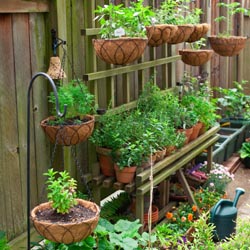
Growing herbs, whether inside or out, may be one of gardening’s most gratifying experiences. Because of their beauty and versatility, herbs may be grown amid vegetables, ornamentals or in a garden dedicated strictly to their kind. They may be nurtured in a sunny window box, strawberry pot, whiskey barrel or just about any container you choose. Situate your herbs for easy access: on the patio, deck, a sunny windowsill or in the kitchen garden. Herbs are relatively carefree and have a multitude of uses that include but are not limited to: culinary, aromatic, ornamental, medicinal and insect control.

Herb Growing Tips

Choose a full sun location, 4-6 hours per day is best. Herbs will grow in a shadier location, but plants will be weak and thin. Most herbs are not demanding of soil fertility. One thing that they will not tolerate, however, is wet or poorly drained soil, so be sure not to overwater your herbs.

Locate herbs in or near the kitchen for easy access when cooking. Be aware of the ultimate size, height and spread of the herbs that you plan to grow. If you take this into consideration you can assure room for the plants to reach their full potential. Position taller herbs to the back of the garden or container and shorter herbs to the front; this will allow for easier access and prevent shading.

Water pots before planting. Remove plants from their pots and loosen roots to stimulate new root growth. Place plants at the same soil depth that they were in the pot, or slightly higher to avoid rotting. Gently firm soil around each plant, water carefully and mulch if desired. Feed monthly with a mild, organic fertilizer such as Neptune’s Harvest Fish & Seaweed Fertilizer 3-2-1.

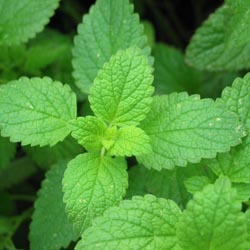
Some herbs, such as mints, have a tendency to be invasive and may take over an entire herb garden or even spread into the lawn or other parts of the landscaping. Sink aggressive potted herbs directly into the garden to minimize this overgrowth. Pull up pots each spring to replenish their soil, then sink the containers back into the garden for another season.

Growing herbs indoors is also quite simple. Choose herbs that will not get too large to handle inside. The same soil requirements apply for both indoor and outdoor planting. Select a south or west window to situate your plants so they receive adequate sunlight. It may be beneficial or necessary to supplement with artificial lighting during the winter months. Provide humidity by grouping plants together and misting daily. Another option is placing potted herbs on a humidity tray. Fertilize monthly with Neptune’s Harvest to provide the best nutrition.

Harvesting

Fresh herb leaves are ready to be harvested as soon as there is enough foliage to maintain the plant. Try to harvest in the morning, after the dew has dried but before the sun becomes too hot, using a sharp knife or scissors to make each cut. It is a good idea to harvest only what you plan to use at time of cutting, as herbs do not store well in the refrigerator. With most herbs it is beneficial to harvest before the plants go to flower, as the taste is better at this stage of growth. Rinse with cold water and pat dry before using.

Drying

If you have excess herbs, you may want to dry them for future use. After gently rinsing the harvested herbs, drain them on absorbent towels, tie in bunches and dry thoroughly by hanging bunches up in the sun just until all water evaporates from the surface of the herbs. Remove plants from sun and hang in a clean, dark, dry location with good air circulation for 1-2 weeks until herbs are completely dry and brittle. If not dried completely the herbs will become moldy in storage. Remove leaves from the stem and store them in an airtight container in a cool, dry, low light environment. Check container in a few days for condensation. If there is any moisture in the container you must start the drying process again, after checking carefully for any mold or mildew.

You can also dry herbs in a conventional or microwave oven. With a conventional oven, position clean herbs in a single layer on a shallow pan. Place baking pan in a 180°F oven for 2 to 4 hours. When using a microwave, place clean herbs in a single layer on a paper towel or plate. Cook herbs on high for 1 to 3 minutes, rotating the plate every 30 seconds or moving the leaves around on the plate until thoroughly dry. Store these herbs just as you would air-dried herbs.

Freezing

Freezing herbs is also easy to accomplish. Wash herbs and blanch them in boiling water for one minute. Cool herbs very quickly in ice water then drain. Package herbs in airtight plastic bags and store in the freezer.

Herbs can be delightfully easy to grow and they are an even more delightful addition to salads, sauces, pastas, teas and many other treats you can enjoy year-round.

Herbs_1Herbs_3

Herbs_2

Hydrangea 101- Choosing the Right Hydrangea

Hydrangea 101- Choosing the Right Hydrangea

🌼 Meet the Hydrangeas

Discover the Different Types of Hydrangeas: A Guide to Choosing the Right One for Your Garden

Hydrangeas are among the most beloved flowering shrubs, offering large, showy blooms and lush foliage that bring color and beauty to any landscape. But not all hydrangeas are the same—there are several different types, each with unique characteristics, bloom styles, and care needs. Whether you’re new to gardening or an experienced plant lover, understanding the differences can help you choose the perfect hydrangea for your garden.

1. Bigleaf Hydrangeas (Hydrangea macrophylla)

Common Names: Mophead or Lacecap Hydrangeas
Best For: Foundation plantings, borders, and containers
Bloom Time: Early to mid-summer
Hardiness: Zones 5–9

Bigleaf hydrangeas are the most commonly recognized type. They have large, rounded “mophead” blooms or flatter, more delicate “lacecap” flowers. Their bloom color can shift depending on soil pH—acidic soil (pH below 6) produces blue blooms, while alkaline soil (pH above 7) turns flowers pink. Newer reblooming varieties like the Let’s Dance® series flower on both old and new wood, extending their bloom season.

Note: Bigleaf hydrangeas are sensitive to cold winters and may need winter protection in colder zones.


2. Smooth Hydrangeas (Hydrangea arborescens)

Common Varieties: ‘Annabelle’, Incrediball®, Invincibelle® Series
Best For: Woodland gardens, naturalized plantings, and mass plantings
Bloom Time: Early to late summer
Hardiness: Zones 3–9

Smooth hydrangeas are native to North America and are prized for their ability to thrive in a wide range of conditions. They bloom on new wood, making them reliable performers year after year—even after harsh winters. Their large, globe-like flowers are typically white or soft pink, although newer varieties are expanding the color palette.

Tip: These hydrangeas benefit from hard pruning in early spring to encourage larger blooms.


3. Panicle Hydrangeas (Hydrangea paniculata)

Common Varieties: Limelight, Pinky Winky®, Quick Fire®, Little Lime®
Best For: Sunny garden beds, hedges, and landscape focal points
Bloom Time: Mid to late summer through fall
Hardiness: Zones 3–8

Panicle hydrangeas are known for their upright, cone-shaped flower clusters and incredible cold hardiness. They are sun-lovers, tolerate pruning well, and bloom on new wood, making them extremely low-maintenance. Many varieties shift color over the season, turning from creamy white to shades of pink, red, or even burgundy.

Bonus: These are some of the best hydrangeas for full sun.


4. Oakleaf Hydrangeas (Hydrangea quercifolia)

Best For: Naturalistic landscapes, shady borders, and woodland gardens
Bloom Time: Early to midsummer
Hardiness: Zones 5–9

Named for their lobed, oak-like leaves, oakleaf hydrangeas offer four-season interest. In addition to beautiful white cone-shaped blooms, they boast spectacular fall foliage in shades of red, orange, and purple. The bark also peels attractively in winter. These native shrubs thrive in part shade and can handle drier soils better than other hydrangeas.

Did You Know? Oakleaf hydrangeas bloom on old wood, so prune only right after they flower.


5. Mountain Hydrangeas (Hydrangea serrata)

Best For: Small gardens, containers, and cooler climates
Bloom Time: Early to midsummer
Hardiness: Zones 5–9

Similar in appearance to bigleaf hydrangeas, mountain hydrangeas have smaller, more delicate flowers and a compact habit. They are better suited to cold climates than their bigleaf cousins. Many feature lacecap blooms and are ideal for woodland edges and shady spots.

New Cultivars: Look for the Tuff Stuff® series for reliable reblooming performance and excellent cold tolerance.


6. Climbing Hydrangeas (Hydrangea anomala subsp. petiolaris)

Best For: Walls, trellises, arbors, and shady vertical spaces
Bloom Time: Late spring to early summer
Hardiness: Zones 4–8

This unique hydrangea climbs by aerial rootlets, covering fences, walls, and structures with heart-shaped leaves and flat, lacecap-style white blooms. Climbing hydrangeas are slow to establish but well worth the wait—they become showstoppers with time and maturity.

Growth Note: Once established, they can grow up to 30–40 feet tall and are surprisingly tolerant of shade.


Choosing the Right Hydrangea for Your Garden

When selecting a hydrangea, consider:

  • Light conditions: Panicles love sun, while bigleaf and oakleaf types prefer partial shade.

  • Soil and moisture: Smooth and oakleaf types are more forgiving of drier conditions.

  • Winter cold: For tough winters, look for smooth, panicle, or mountain types that bloom on new wood.

  • Size and space: Bigleafs and mountains are compact, while panicles and oakleafs can become large shrubs.

Hydrangeas offer endless beauty and versatility for any garden. With a little planning, you can enjoy their blooms from late spring through fall—year after year.


Color Tips

Only Bigleaf & Mountain hydrangeas change color:

  • Blue: Acidic soil (pH < 6) Amend soil with aluminum sulfate
  • Pink: Alkaline soil (pH > 7) Amend soil with lime

Hydrangea paniculata flowers turn from white to pink simply as they age. This beautiful transformation is part of their charm and varies by variety, sun exposure, and season.

Factors That Influence the Intensity of the Pink:

  • Sun Exposure: More sun = deeper pinks or reds.
  • Cooler Nights in Fall: Boosts color change and intensifies hues.

Planting & Care Basics

✔️ Soil: Rich, well-draining, organic matter

✔️ Water: Deeply 1–2x per week—more in heat

✔️ Fertilizer: Spring + midsummer, slow-release Flower-Tone

✔️ Mulch: 2–3″ to conserve moisture & protect roots

✔️ Spacing: Allow room for airflow and mature size

Choosing the Right Hydrangea for YOU

Cottage garden or foundation bed? → Bigleaf or Smooth

Bigleaf (Hydrangea macrophylla)

  • Classic choice with lush, romantic blooms in mophead or lacecap form.
  • Perfect for morning sun and dappled afternoon shade.
  • Add soil amendments to tweak bloom color (pink or blue!).

Smooth (Hydrangea arborescens)

  • Native, cold-hardy, and reblooms reliably.
  • Big, classic flowers that give that “old-fashioned” charm with modern toughness.
  • Great for mixed borders and foundation beds.

For Hot Sunny Spots with All-Day Sun

Panicle (Hydrangea paniculata)

  • The toughest and most sun-loving hydrangea!
  • Upright, conical blooms that age beautifully from white to pink.
  • Sturdy stems and drought tolerance make it great for open landscapes and sunny hedges.

For Shady Woodland Edges or Naturalized Areas

Oakleaf (Hydrangea quercifolia)

  • Unique oak-like leaves that provide three-season interest: spring blooms, summer texture, and stunning fall color.
  • Large white flower clusters fade to rose as they age.
  • Loves partial to full shade—ideal under high trees or on woodland borders.

Climbing (Hydrangea petiolaris)

  • Grows vertically with peeling bark and lacy white flowers.
  • Beautiful on stone walls, arbors, or shady fences.
  • Slow to establish but worth the wait

If You’re Chasing That Perfect Blue Flower

Bigleaf or Mountain Hydrangeas

  • Only types that shift color based on soil pH.
  • Acidic soil (pH < 6) = Blue blooms
  • Alkaline soil (pH > 7) = Pink blooms
  • Use aluminum sulfate to enhance blues or garden lime for pinks.