

How to Start a Pollinator Garden in Mount Airy Maryland
There is something magical about a garden that feels alive. A bee drifting from flower to flower. A butterfly floating through the afternoon sun. A hummingbird darting in for a sip of nectar. These little moments are more than beautiful — they are signs of a healthy, thriving garden.
The good news? You do not need a meadow, a huge yard, or a perfectly planned landscape to help pollinators. In Central Maryland, even one sunny flower bed, a few containers on the patio, or a small corner near the vegetable garden can become a meaningful stop for bees, butterflies, hummingbirds, and other beneficial insects.
A pollinator garden is simply a garden planted with flowers, herbs, shrubs, and trees that  provide nectar, pollen, shelter, and sometimes food for caterpillars. It can be wild and natural, neat and cottage-like, or beautifully designed for curb appeal. The best pollinator garden is one that fits your space, your style, and your life — and then grows from there.
Start with Sun
Most pollinator-friendly flowers bloom best in sun. If you have a spot that gets at least six hours of direct sunlight, especially morning and midday sun, you have a wonderful place to begin. Pollinators are also more active in warm, sunny areas protected from strong wind, so a border along a fence, the edge of a patio, or a sunny foundation bed can work beautifully.
Have part shade? You can still help. Plants like bee balm, garden phlox, mountain mint, columbine, foamflower, asters, and certain native shrubs can support pollinators in softer light. Just remember: more sun usually means more flowers, and more flowers usually means more pollinator activity.
Choose Flowers That Bloom in Different Seasons
One of the best ways to help pollinators is to plant so something is blooming from spring through fall. A garden with one big burst of flowers is beautiful, but pollinators need a steady food supply.
For spring, consider columbine, creeping phlox, salvia, catmint, woodland phlox, and early-blooming shrubs. These early flowers are especially valuable when bees are waking up and food is still limited.
For summer, plant the garden workhorses: coneflower, bee balm, coreopsis, black-eyed Susan, milkweed, mountain mint, yarrow, salvia, agastache, and garden phlox. This is when the garden can truly hum with life.
For late summer and fall, do not forget asters, sedum, goldenrod, rudbeckia, and late-blooming native perennials. These plants help pollinators fuel up before cooler weather arrives.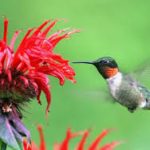
A simple goal is to choose at least three bloom seasons: something early, something midsummer, and something late.
Plant in Groups
Pollinators find flowers more easily when they are planted in clusters. Instead of planting one of everything, try planting three, five, or seven of the same plant together. A drift of purple coneflowers or a cheerful patch of coreopsis is easier for bees and butterflies to spot than a single flower tucked between unrelated plants.
Grouping plants also makes the garden look more intentional and less messy. It gives your landscape rhythm, color, and a sense of design while still supporting wildlife.
Think Beyond Just Nectar
Adult butterflies and hummingbirds love nectar, but a true pollinator garden offers more than flowers. Butterflies begin life as caterpillars, and caterpillars need host plants. Monarch caterpillars need milkweed. Swallowtail caterpillars may use parsley, dill, fennel, or certain native trees. Other butterflies rely on violets, grasses, shrubs, and trees.
That means a few chewed leaves can be a good thing. A perfect leaf is pretty, but a leaf that fed a caterpillar helped create a butterfly.
You can also support pollinators by adding shallow water. A small dish with stones gives bees and butterflies a safe place to land and drink. Change the water often to keep it fresh.
Skip Spraying When You Can
One of the most important steps in a pollinator garden is being thoughtful with pesticides. Many sprays do not know the difference between a pest and a pollinator. Before spraying, identify the insect and the level of damage. A few holes in the leaves rarely mean the plant is in danger.
If treatment is truly needed, avoid spraying flowers in bloom, never spray when bees are actively visiting, and choose the gentlest option possible. Sometimes hand-picking, pruning, a strong spray of water, or improving plant health is enough.
A pollinator-friendly garden does not mean ignoring problems. It means slowing down, looking closely, and choosing carefully.
Use a Mix of Natives, Annuals, Perennials, and Shrubs
Native plants are especially valuable because they support the insects and wildlife that evolved alongside them. In Central Maryland, plants like milkweed, mountain mint, bee balm, coneflower, black-eyed Susan, liatris, asters, goldenrod, and native phlox are wonderful pollinator choices.
But annuals can help too. Lantana, zinnias, salvias, verbena, pentas, cosmos, cuphea, and marigolds can provide bright, long-lasting color and nectar through the heat of summer. They are especially useful in containers, porch pots, and gaps between perennials.
Flowering shrubs also add structure and long-term value. Consider summersweet, buttonbush, ninebark, spirea, roses, viburnum, caryopteris, and butterfly bush where appropriate. Shrubs give the garden height, shelter, and a more finished look.
The most beautiful pollinator gardens often include a blend: natives for ecological value, annuals for nonstop color, perennials for dependable bloom, and shrubs for structure.
Start Small and Grow
The easiest way to begin is with one small area. Choose a sunny spot, improve the soil with compost, and plant five to seven pollinator-friendly plants in groups. Mulch lightly, water deeply while plants establish, and watch what happens.
Or start with a container. A large pot filled with salvia, lantana, verbena, and zinnias can feed pollinators right on a porch or patio. One pot can help. One flower bed can help. One milkweed plant can help.
That is the encouraging truth about pollinator gardening: it does not have to be perfect to 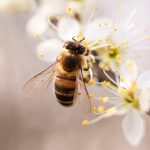 matter.
A Garden Full of Life
When you plant for pollinators, your garden becomes more than decoration. It becomes part of a living system. Your flowers feed bees. Your herbs may host caterpillars. Your shrubs shelter tiny beneficial insects. Your yard becomes a place where beauty and purpose grow together.
In Central Maryland, we are lucky to garden in a region where so many wonderful plants thrive. With a little sun, a thoughtful mix of flowers, and a willingness to let the garden be just a bit more alive, you can create a space that welcomes butterflies, bees, hummingbirds, and joy.
Start with one plant. Add another. Then another.
Before long, your garden will not just bloom — it will buzz, flutter, and hum.